COVERAGE
Umbrella and Excess Liability for Colorado Contractors
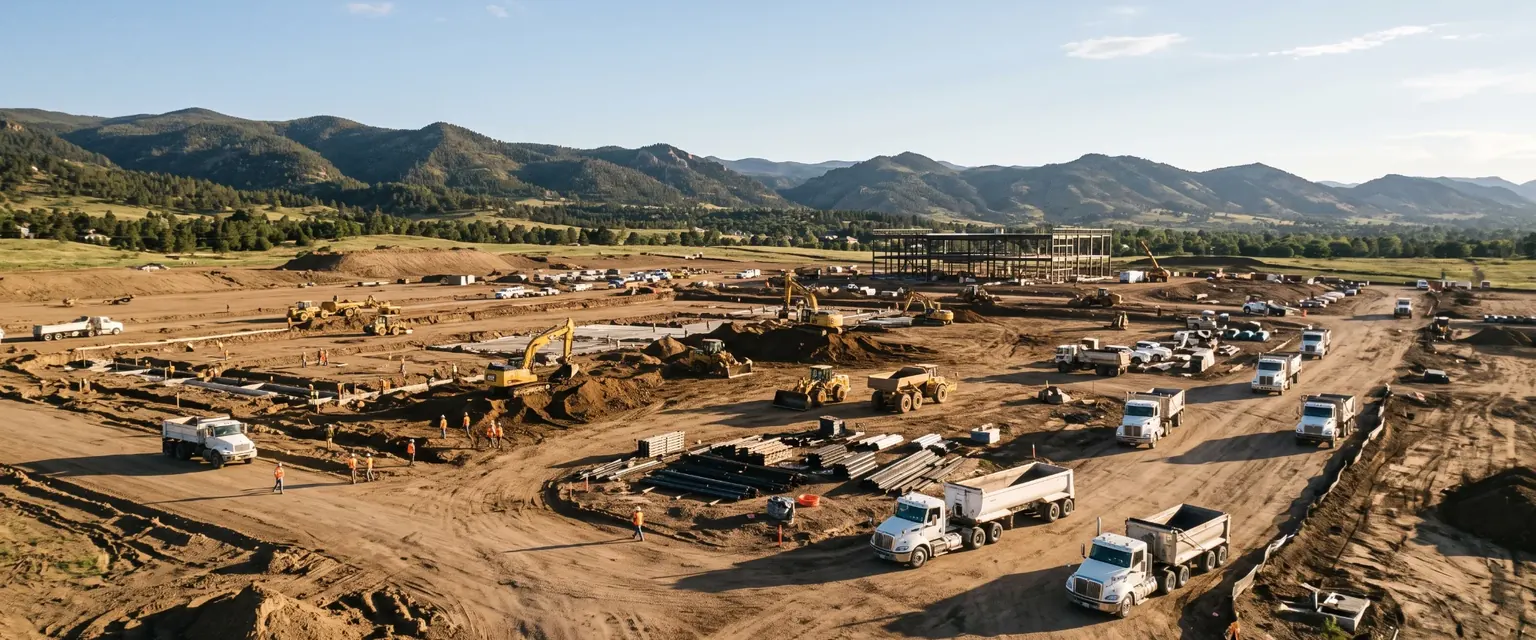
A haul truck accident with two people in the hospital does not stop at $1M. Neither does a trench collapse or a plow that sends someone through a storefront. The umbrella is the policy that keeps paying when the ones underneath run out.
Umbrella and excess
What it typically does, and what it does not.
What it typically does
- The part of a covered GL, auto, or employer's liability claim that exceeds the underlying policy's limit
- Defense costs above the underlying limit, on most forms
- Every truck and every location, as long as each is on an underlying policy the umbrella lists
- Some claims the underlying policies do not cover, on a true umbrella with a self-insured retention
- The $2M to $5M line on a municipal, CDOT, or larger GC contract
What it does not do
- A claim the underlying policy excludes is typically excluded here too; that is what fixing the underlying form (XCU, pollution) is for
- A truck not listed on the underlying auto policy is excluded; that is what a correct underlying schedule is for
- Pollution is excluded on most umbrellas; that is what pollution liability is for
- Your own equipment and your own work are excluded; that is what contractors equipment and your warranty are for
- The comp side of workers' comp is excluded; the umbrella sits over employer's liability only
- Anything below the attachment point is excluded; that is what the underlying policies are for
Who needs it
- Anyone bidding municipal, CDOT, school district, or larger GC work, because the contract requires it
- Dump truck and haul outfits, where one accident can pass the auto limit
- Commercial snow contractors on retail and HOA sites with heavy foot traffic
- Any outfit whose worst plausible claim is bigger than $1M, which is most of them
Descriptions say what a coverage typically does; your policy form controls.
The umbrella is the policy that keeps paying when your other policies run out. It’s simple until you read the underlying schedule, because an umbrella is only as good as what’s underneath it, and on a dirt or snow outfit the thing underneath is usually a truck. Here’s what it typically does on a Colorado claim, what it doesn’t, and why the number in the GC’s contract keeps going up.
What an umbrella does on your job
Start with the worst day. A Mack dump truck loaded with pit run is coming down US 285 into Bailey in a freeze-thaw cycle, the brakes fade, and the truck goes through an intersection. Two people in the car are hurt badly. The commercial auto policy pays its $1M combined single limit. The claim is bigger than that. Under most standard forms, the umbrella pays the rest, up to its own limit, and picks up defense costs above the underlying.
Different day, same policy. A commercial snow contractor plowing a grocery lot in Lakewood in a freeze-thaw week has a customer slip in a refrozen patch and suffer a head injury. The general liability policy pays its $1M per occurrence. The umbrella pays above it. A demolition crew in Denver brings a wall down on the wrong side and the neighbor’s building is condemned. Same stack. GL first, umbrella second, subject to the limits and the policy language.
Two things to keep straight: the attachment point and the underlying schedule. The attachment point is where the umbrella starts paying, typically the underlying policy’s limit. The underlying schedule is the list of policies the umbrella sits on top of, with the minimum limits the umbrella carrier requires on each. If the auto is on the schedule at a limit the auto policy doesn’t actually carry, you have a problem. That’s the section below.
What it does not do
- Cover what the underlying excludes. An umbrella typically follows the underlying form. A GL with an XCU exclusion means a trench collapse is excluded below, and excluded above. What fixes it: a clean underlying GL. The umbrella can’t repair a bad primary.
- Cover a truck that isn’t underneath. A plow truck on a personal auto policy is not on the commercial auto schedule, so it’s not under the umbrella. What fixes it: scheduling the truck on the commercial auto policy at the limit the umbrella requires.
- Pollution. Excluded on most umbrella forms, same as most GL forms. A fuel spill into a creek is pollution liability, and the umbrella may or may not sit over that policy. Ask.
- Your own iron and your own work. The excavator is contractors equipment. Redoing the wall is your warranty.
- The comp side. The umbrella sits over the employer’s liability part of workers’ comp, not the no-fault benefits.
- Anything under the attachment point. A $400,000 claim on a $1M GL is a GL claim. If the primary’s aggregate is already used up by a bad year, some forms drop down to fill the gap and some don’t. The policy language controls.
Who needs it
Anyone bidding work where the insurance exhibit says $2M or $5M, which means most municipal, CDOT, school district, and larger GC work under all three of our hubs: excavation, landscaping, and snow removal. Past the contract, the honest test is your worst plausible day. A dump truck outfit running South Park pits to Denver jobs has a worst day that passes $1M without trying. A commercial snow contractor on a retail lot does too. A one-person crew mowing HOA common areas probably doesn’t, and we’d tell you that.
How it’s rated
No dollar figures. What moves the number:
- The underlying premiums. Umbrella pricing starts from what the GL, auto, and comp cost, because the same exposures drive it.
- Limit. A higher limit rates differently, and not in a straight line.
- Vehicles. Number of trucks, gross weight, radius, and for-hire hauling. Auto is the exposure umbrella underwriters worry about most on a contractor.
- Class of work. Utility, demolition, and hauling rate above driveways and sod.
- Underlying limits. Higher underlying limits mean the umbrella attaches higher and rates lower.
- Loss history. One large claim on the loss runs changes the conversation.
The lever you control is the underlying. A clean auto schedule and raised employer’s liability limits make the umbrella easier to place.
The plow truck on the underlying
Here’s the gap we find most often on a snow or landscape outfit’s umbrella. The underlying schedule lists commercial auto at $1M. The auto policy has three trucks on it. The fourth truck, the one with the Boss blade that runs the overnight route, is on the owner’s personal policy because it was his truck before it was the business’s truck.
On a claim, the umbrella carrier reads the schedule. The fourth truck isn’t there. The umbrella doesn’t respond, and the personal policy’s business-use exclusion means the primary may not either. That’s a plow accident on a retail lot with nobody paying above whatever the personal policy decides, if anything.
The fix is a phone call. Put every truck that does business work on the commercial auto policy at the limit the umbrella requires, and check the underlying schedule against the auto schedule every renewal. We do that as part of every policy review. Ten minutes, and it’s the difference between a $5M umbrella and a $5M piece of paper.
Colorado notes
Where the underlying numbers come from. CDOT utility and special-use permits for work in state highway right-of-way require commercial general liability of $1,000,000 per occurrence and $2,000,000 aggregate and $1,000,000 auto liability, with CDOT named as additional insured and certificates furnished before work starts; access-permit projects may also require a performance bond. (CDOT Form 1233 (Utility Permit) and Form 1283 (Special Use Permit); 2 CCR 601-18 § 2.2.2) [VERIFY] Those are the limits most umbrella carriers want to see underneath, and the template most public entities copy into their own exhibits.
The state minimum is not an attachment point. Colorado requires minimum auto liability limits of $25,000 per person and $50,000 per accident for bodily injury and $15,000 per accident for property damage (C.R.S. 10-4-620; 42-7-103(14)(a)), unchanged as of 2026; commercial contracts commonly ask for $1,000,000 combined single limit instead. (C.R.S. 10-4-620; 42-7-103(14)(a)) An umbrella carrier will not attach over 25/50/15. If any truck in the fleet is carrying the state minimum, the umbrella either excludes it or doesn’t get written.
Mountain and plains driving. Ice on Vail Pass, wind on the plains east of Limon, and a freeze-thaw week on the Front Range are the conditions behind most of the large auto claims umbrella underwriters see from Colorado contractors. Answer the radius and season questions straight.
Contract language you’ll see
- “Umbrella or excess liability, $5,000,000 each occurrence and aggregate.” Municipal, CDOT, school district, and national GC work. $2M is common on regional GC and larger HOA contracts.
- “Following form over general liability, automobile liability, and employer’s liability.” The list of what has to be underneath. Match it.
- “Additional insured status shall extend to the umbrella.” Most follow-form umbrellas extend it automatically. Some require an endorsement.
- “Primary and non-contributory, including umbrella.” Same request as on the GL, applied one layer up.
- “Underlying limits of $1,000,000 GL, $1,000,000 auto, $1,000,000 employer’s liability.” The contract telling you what the umbrella carrier will also tell you. The certificates page covers what holders actually check.
Where to go from here
The umbrella conversation starts with the dec pages underneath it. Send us the GL, auto, and comp pages plus the insurance exhibit from the contract, and the policy review will show you where the underlying schedule doesn’t match reality. Starting from nothing? Get Insured lays out what to have ready. Read the general liability page first. The umbrella follows it.
Serving businesses located in Colorado. Coverage is determined by the policy language and the carrier.
Terms on this page: umbrella, excess liability, follow form, attachment point, underlying insurance, self insured retention, drop down, aggregate, occurrence. Full glossary.
Who carries it
Trades that carry this coverage.
-
 SNOW TRADE
Commercial Snow and Ice Management
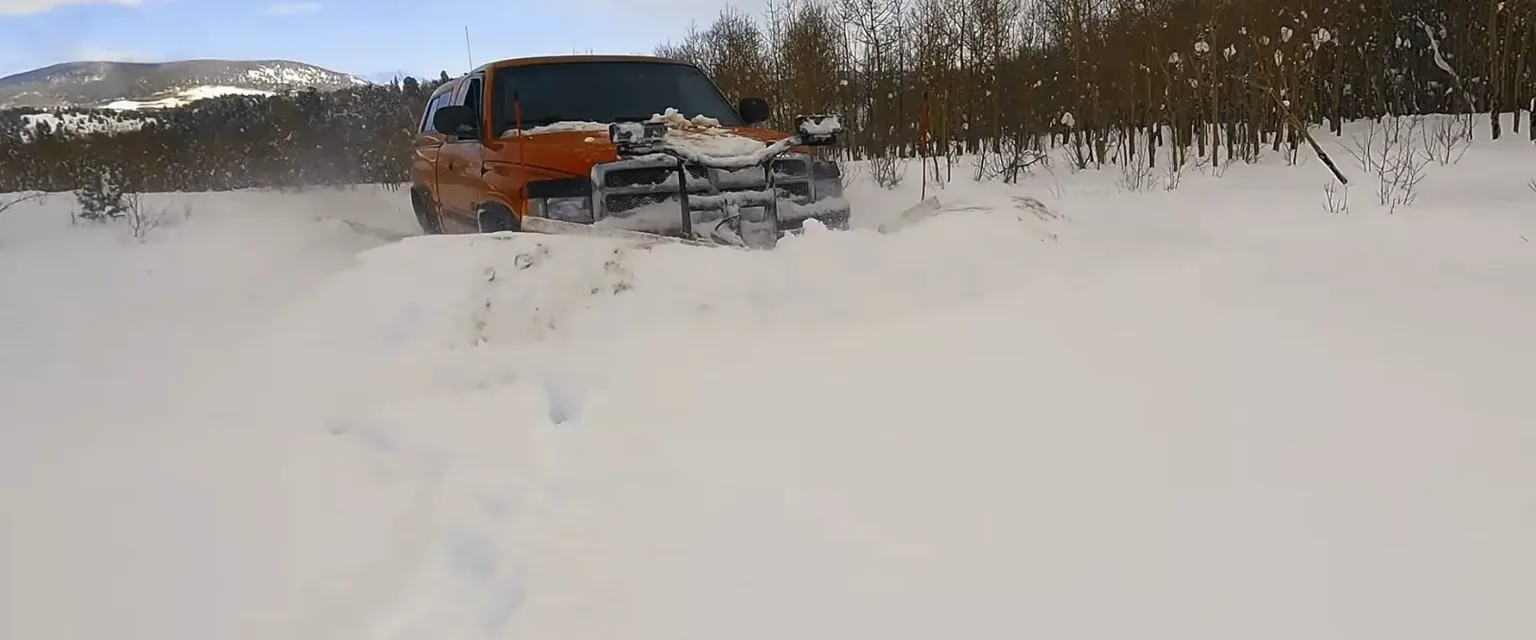
Commercial snow is a contract business first and a plowing business second. The lot, the log, and the indemnity clause decide the claim. Here's what a Colorado commercial snow and ice policy has to do, from an agency that runs a pusher box on commercial lots above 9,000 feet. Commercial Snow and Ice Management insurance -
 EXCAVATION TRADE
Dump Truck and Aggregate Hauling
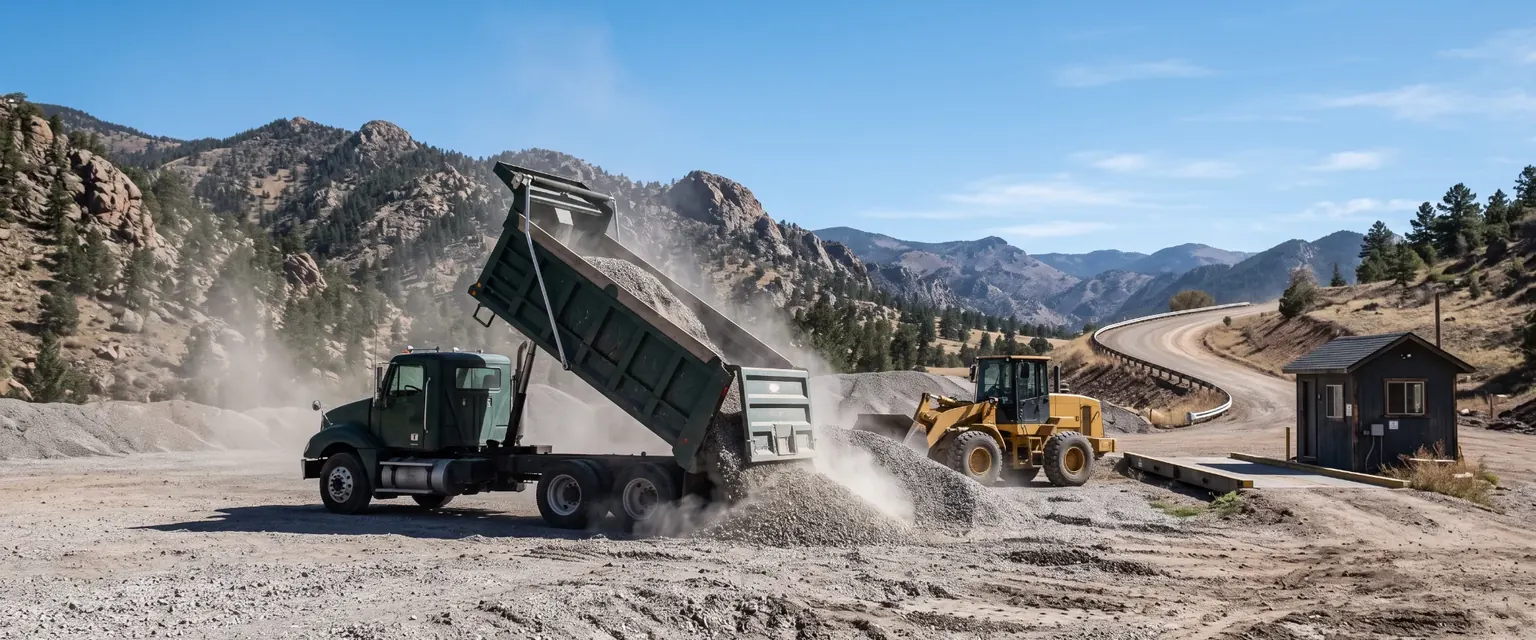
A loaded Mack dump truck is the most expensive thing most dirt outfits put on a public road. Whether it hauls your own material or someone else's for a fee changes the whole policy. Here's where that line sits in Colorado, and what the truck, the load, and the driver each need. Dump Truck and Aggregate Hauling insurance -
 EXCAVATION TRADE
Demolition Contractor
Demolition is excavation with the building still in the way. The underwriter rates it higher, the neighbor's wall is always closer than it looks, and the material you're tearing out may be the claim. Here's what the policy has to do. Demolition Contractor insurance
What is the difference between an umbrella and an excess policy?
Why does the contract ask for $5M when my GL is $1M/$2M?
What is an attachment point?
Does my umbrella cover the plow trucks?
Does an umbrella cover pollution or a utility strike?
Statutes and numbers on this page last verified September 2, 2026 by a licensed Colorado producer. How we verify.