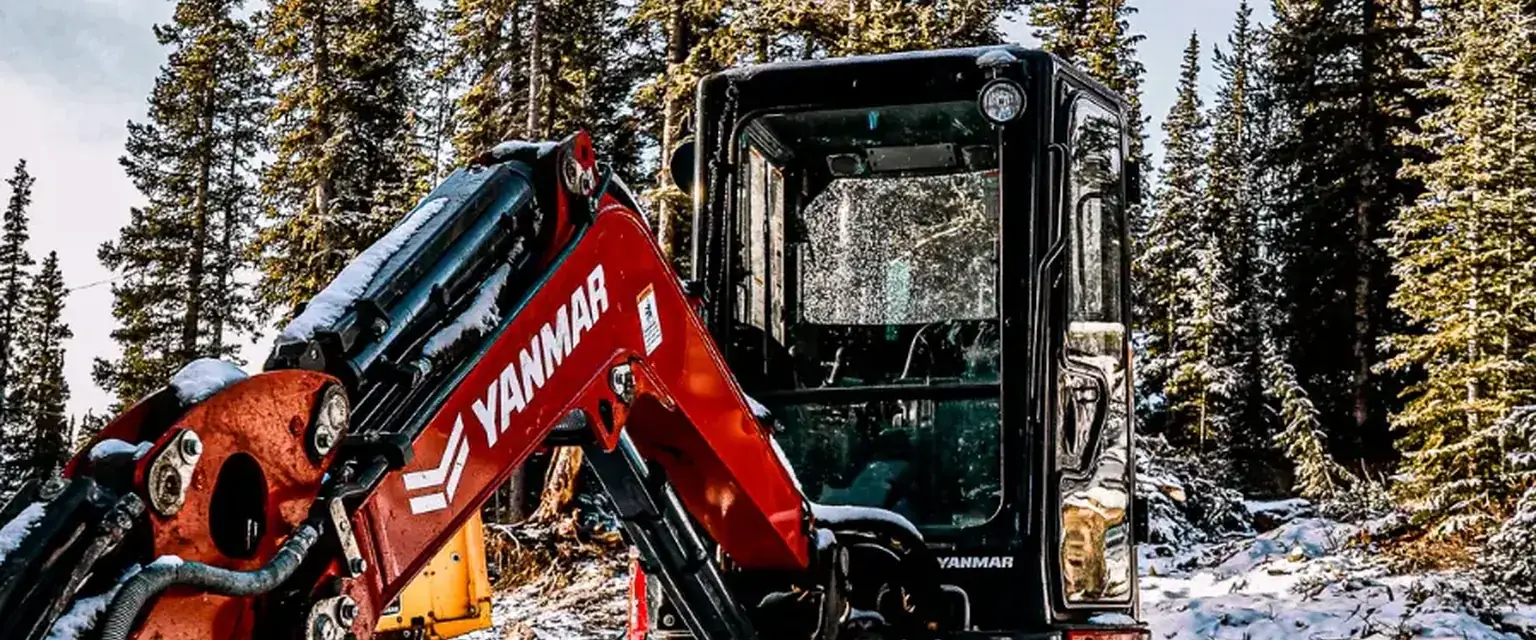
COLORADO · MOUNTAINS
Excavation, Landscaping, and Snow Insurance in Summit County
Breckenridge and Frisco run on a dig season you can count in weeks and a snow season that pays the bills. Your policy has to be built for both, and for the resort contracts in between.
Breckenridge and Frisco at a glance
- Licensing
- Summit County permits grading over 500 square feet and closes county rights-of-way to excavation all winter, Breckenridge bars pavement cuts in the same window and bonds right-of-way work instead of licensing general contractors, and septic installers are licensed by county Environmental Health.
- Ground
- Decomposed granite over boulders on the hillsides, glacial cobble in a sandy matrix on the valley floor with a water table that rises in June, and deep frost that moves anything compacted wet in the fall.
- Snow
- Summit gets its snow in dumps off the Tenmile Range with wind behind it; resort property runs on accumulation triggers with storm service, HOAs write one-inch or two-inch per-push or seasonal contracts, and town and county work is bid with the heaviest insurance section.
- Contracts
- Resort managers and large HOAs ask for $1M/$2M general liability with additional insured, primary and non-contributory wording, a waiver of subrogation, $1M auto, and often a $2M to $5M umbrella; town and county work adds a bond and the certificate to the town or county as holder.
Summit County is where an excavation contractor learns to read a calendar before a soils report. The county closes its road rights-of-way for the winter, Breckenridge closes the pavement, and the ground above Frisco doesn’t thaw on your schedule anyway. Then the snow starts and the same crews go to work for the resorts, the HOAs, and the towns. This page covers what that does to an excavation, landscaping, or snow removal policy in Breckenridge, Frisco, Dillon, and Silverthorne.
The licensing reality in Summit County
Two things to keep separate: the county and the towns.
The county doesn’t issue a contractor license for dirt work, but it does issue a grading permit, and the trigger is small. Summit County requires a grading/excavation (GE) permit under Chapter 6 of the Land Use and Development Code whenever proposed earth disturbance exceeds 500 square feet; project grading permit applications are due 15 calendar days before disturbance and the final inspection must occur between May 1 and October 31. (Summit County Land Use and Development Code §§ 6002, 6302.03, 6302.08.H, 6303.04) Five hundred square feet is a driveway turnaround. Read the inspection window again: the final has to happen before the season ends, so a job that starts in September had better finish.
Road cuts are a separate permit, and the county decides who gets one. Summit County road-cut (right-of-way) permits go only to excavating contractors in good standing or owner-builders who accept responsibility for failures for two years; excavation in county paved-road rights-of-way may not be allowed after October 15 and is not allowed in county gravel or paved rights-of-way from November 1 through April 30. (Summit County Public Works, Right-of-Way Permits) Note the phrase “in good standing” and the two years of responsibility for failures. A road cut that settles in March is on you, and the certificate of general liability you filed with the county is the paper they’ll be looking at.
Breckenridge adds its own layer. The Town of Breckenridge does not license general contractors (a Town business license is required to be listed on permits), and Town Code 10-4-10-1 bars street pavement cuts under right-of-way permits between November 1 and April 30 except for approved utility emergencies or special circumstances determined by the town engineer. (Breckenridge Town Code 10-4-10-1; Building Division Contractor Requirements; Engineering Permits) No general contractor license in town, but a business license on every permit, a cash bond on right-of-way work, and a pavement season that ends when the county’s does.
Septic is licensed at the county. OWTS contractors/installers and cleaners in Summit County must be licensed by the Summit County Environmental Health Department under the county OWTS Regulations, which requires passing an open-book test on the regulations and renewing annually. (Summit County Environmental Health, OWTS Contractor & Cleaner Licensing) If you install or pump systems anywhere from Blue River to Heeney, that license comes before the permit. Our septic installer page covers the completed-operations side.
And the newest one, which reaches landscapers and clearing crews as much as builders. Summit County applies the Colorado Wildfire Resiliency Code to building permits applied for after May 4, 2026, and treats all areas of the county, including town centers, as moderate to high fire intensity requiring Class 2 structure hardening. (Summit County Building Inspection, Wildfire Resiliency) The code is about hardening the structure, not the vegetation, but the defensible-space contracts that travel with it are what a land clearing and mulching outfit will actually sign.
Terrain and soil
Above Frisco you’re digging decomposed granite over boulders, and the boulders get bigger as you climb toward Breckenridge and Hoosier Pass. The valley floor around Dillon Reservoir is glacial till: rounded cobble in a sandy matrix, loose when dry, soup when the water table comes up in June. And it comes up. We’ve watched a mid-size excavator settle to the tracks on a lot near Silverthorne that had been dusty a week earlier.
What that does to the work. Trenching in cobble wants a bigger bucket and more time than the bid assumed, and the sidewalls don’t hold, so the trench box goes in every time. Retaining walls on a Breckenridge cabin lot are holding back rock and snowmelt, not clay; the failure we see is drainage, not swelling, and it shows up the second spring. That’s a completed-operations claim on your general liability, long after the check cleared.
Frost is the other schedule killer. The ground up here freezes deep and thaws late, and a pad you compacted in October will move if the base was wet when it froze. Photograph your compaction. Keep the density tests. On most jobs the photo is the whole defense.
The equipment side is simpler and more expensive. Machines that winter at elevation crack hoses, and a tracked machine that slides on a frozen cut is an inland marine claim, not a GL one. Schedule the excavator at what it costs to replace in Summit County, not what you paid for it in Denver.
Snow, and what the contracts trigger
Summit gets its snow in dumps, not in the upslope pattern the Front Range sees. A storm parks on the Tenmile Range and buries Frisco while Denver gets a dusting, and then the wind moves it all night. The contracts are written for that.
Three kinds of contract, three sets of triggers. Resort and resort-adjacent property (the base areas, the lodges, the parking structures) tends to run on accumulation triggers with continuous service during a storm, and the property manager expects the lot open before the lifts spin. HOAs in Breckenridge, Wildernest, and Keystone commonly write a one-inch or two-inch trigger with per-push billing, or a seasonal flat fee, and the argument every spring is about roof shed and where the pile went. Town and county work is bid, seasonal, and carries the heaviest insurance section.
Colorado’s snow statute matters here more than most places. Colorado's Snow Removal Service Liability Limitation Act (C.R.S. 13-21-129, effective August 8, 2018) voids any snow-and-ice contract clause that requires one party to indemnify, hold harmless, or defend the other for the other party's own acts or omissions, but only where the service provider was prohibited, by the contract or in writing, from mitigating the specific snow or ice event at issue. (C.R.S. 13-21-129(3), (4); SB 18-062) The HOAs and resort managers up here use national-template contracts, and the indemnity clause in those is the kind of clause the act was written to reach, when the contract also kept you from treating the event. The whole thing is on our commercial snow and ice management page.
Two things we ask every Summit snow contractor. Which policy the plow truck is on in January. And whether the GL form has a snow and ice exclusion, because a surprising number do.
Contract norms we see here
Resort property managers and the big HOAs ask for $1M per occurrence and $2M aggregate general liability, $1M auto, the association or management firm as additional insured on a primary and non-contributory basis, and a waiver of subrogation on workers’ comp. Some resort base-area contracts add an umbrella ask, commonly in the $2M to $5M range, and want the plow operation shown on the GL by endorsement. Town of Breckenridge and county work sits at the same limits plus the bond and a certificate with the town or county as holder.
On a Summit landscaping or excavation contract, the GC’s requirements generally copy the Front Range template. The difference is the season: a completed-operations certificate gets requested on a job you finished last summer, because that’s when the snow came off and the wall moved.
Here’s what we don’t control: the property manager’s certificate template. Some ask for wording the policy can’t produce. Send it over before you sign and we’ll tell you which lines are real.
Nearby
We work with contractors across Summit County: Breckenridge, Frisco, Dillon, Silverthorne, Keystone, Copper Mountain, and Blue River, plus the crews who run over Fremont Pass to Leadville. West over Vail Pass the market changes, and we cover it on Vail and Eagle County. South over Hoosier Pass is our own ground; see Park County, Fairplay, and Bailey. The rest of the state is on the Colorado hub.
Already carry coverage? Send the dec pages to the policy review and we’ll find the snow exclusion, the transit line, and the equipment values. Starting fresh, or picking up your first resort contract? Get Insured lists what to have ready.
Serving businesses located in Colorado. Coverage is determined by the policy language and the carrier.
Trades
Trades common in Breckenridge and Frisco.
-
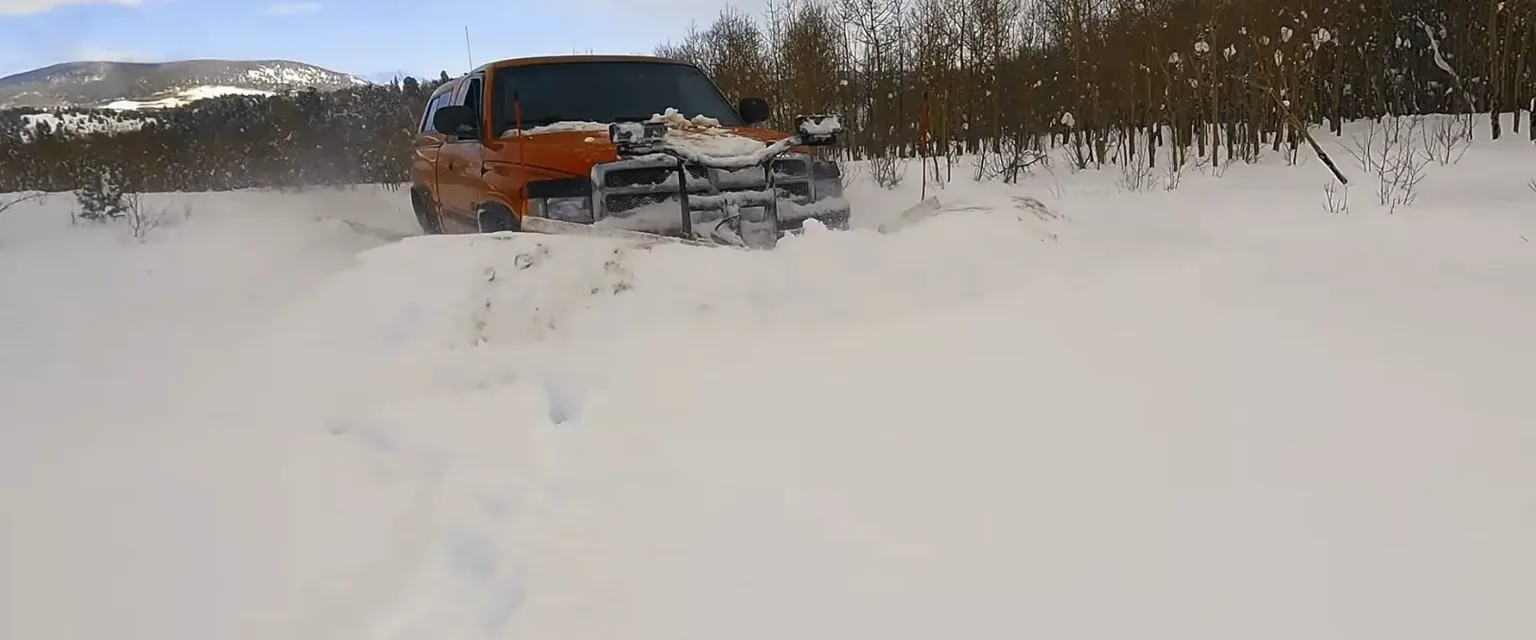 SNOW TRADE
Commercial Snow and Ice Management
Commercial snow is a contract business first and a plowing business second. The lot, the log, and the indemnity clause decide the claim. Here's what a Colorado commercial snow and ice policy has to do, from an agency that runs a pusher box on commercial lots above 9,000 feet. Commercial Snow and Ice Management insurance -
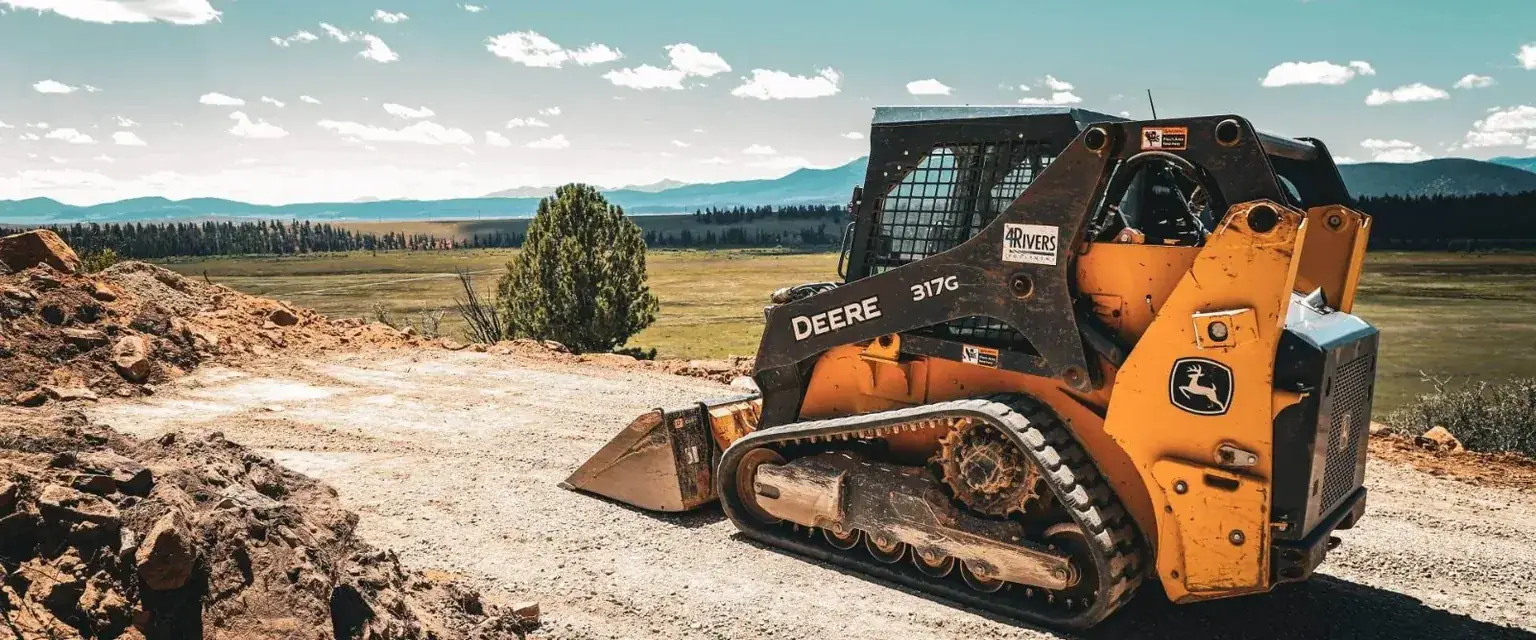 EXCAVATION TRADE
Grading and Site Prep
A pad that drains the wrong way, a wall that bulges after a wet spring, silt in the neighbor's yard after a July storm. Grading claims show up late and argue about who was at fault. Here's what the policy has to do. Grading and Site Prep insurance -
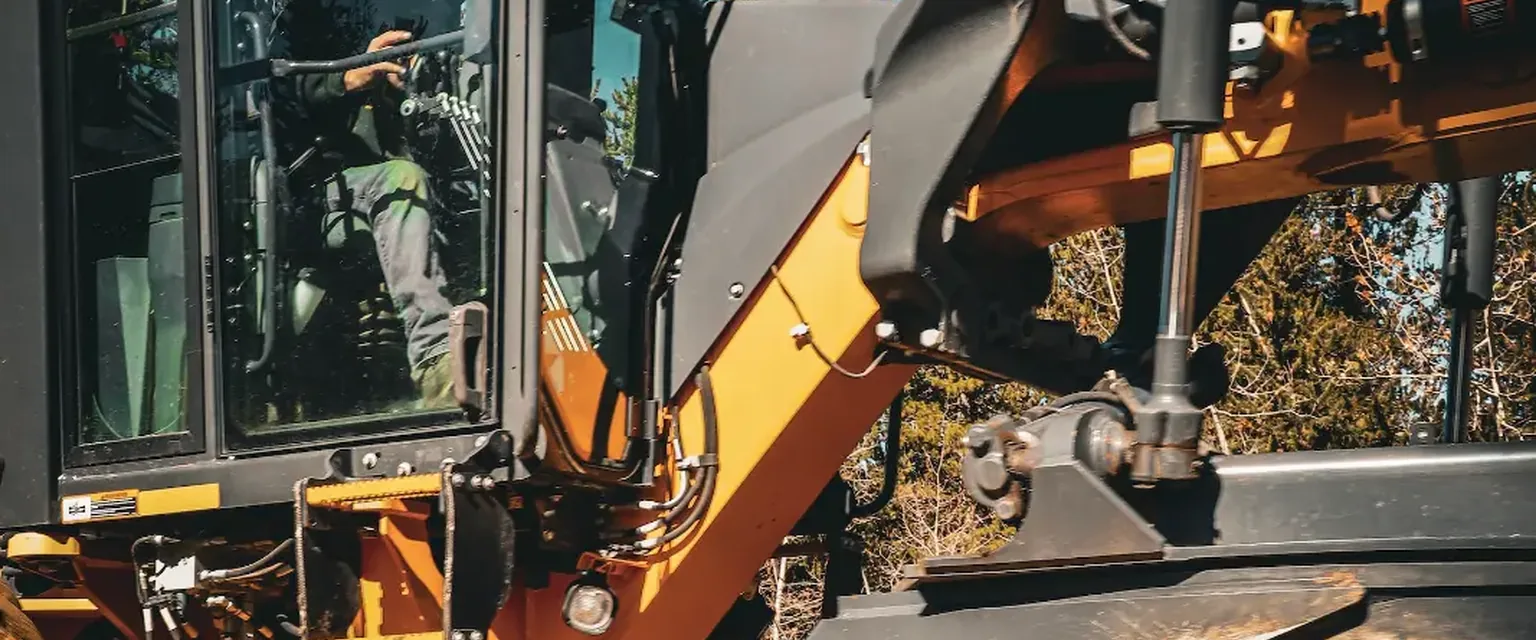 EXCAVATION TRADE
Land Clearing and Forestry Mulching
A tracked forestry mulcher is a diesel engine and a spinning drum in a stand of dry lodgepole. Fire is the claim underwriters think about first, and it is not always the claim your policy was written for. Here's what a clearing outfit's coverage has to do in Colorado, from the machine to the land it works on. Land Clearing and Forestry Mulching insurance
Nearby
Working outside Breckenridge and Frisco? The next pages over.
Do I need a contractor license to excavate in Breckenridge or Summit County?
When does the excavation season close in Summit County?
What do Summit County resort and HOA snow contracts ask for on a certificate?
Statutes and numbers on this page last verified September 2, 2026 by a licensed Colorado producer. How we verify.