EXCAVATION TRADE
Demolition Contractor Insurance in Colorado
Demolition is excavation with the building still in the way. The underwriter rates it higher, the neighbor's wall is always closer than it looks, and the material you're tearing out may be the claim. Here's what the policy has to do.
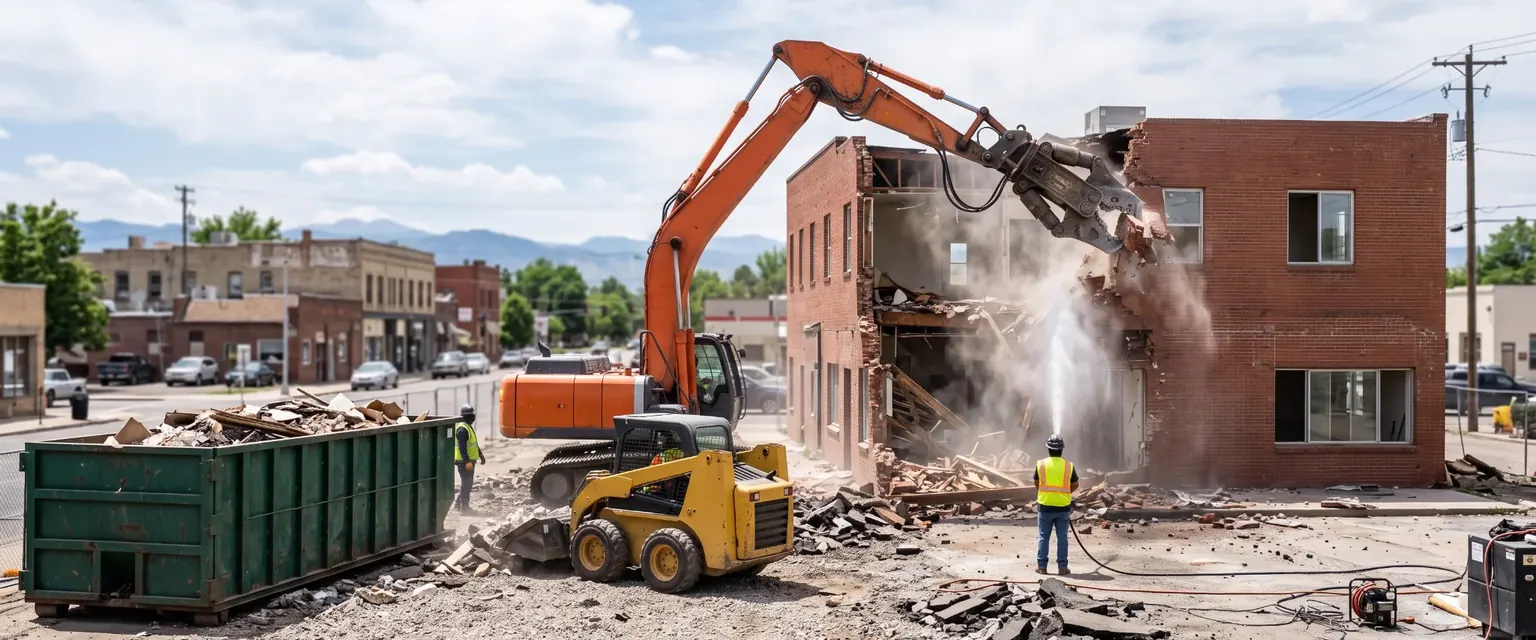
Demolition is the excavation trade where the material you’re removing can be the claim. A dirt outfit worries about what’s under the ground. A demo outfit worries about that, plus what’s in the walls, what’s on the other side of the shared wall, and what blows off the site when the wind comes up. We’ve taken down cabins in Park County ahead of our own dirt work. This page sits under our excavation hub; where the debris goes afterward is dump truck and aggregate hauling.
What the underwriter sees on a demolition application
Two things: the class and the neighbors.
The class typically rates higher than general excavation, on both GL and workers’ comp. A structure coming down next to people and other buildings is a different risk from a trench. What the application changes is whether the carrier writes it at all. Some markets won’t touch demolition, some write residential only, a few write the whole trade. The fastest way to lose one is to leave demolition off the application and have it show up on the audit.
The neighbors are what the underwriter asks about next. How close is the nearest structure. Downtown zero-lot-line or detached houses on an acre. Excavator and thumb, or hand work at height. Abatement in-house or subbed. Who hauls the debris, and how far. Dust and water control. And whether an adjacent owner has ever filed a claim, because that’s the one demolition contractors have.
Here’s what Colorado adds. Denver’s older blocks put brick party walls inches from your bucket. Pueblo’s housing stock is old enough that asbestos, lead paint, and a live gas service under the slab are the default assumption. Colorado Springs runs hail in summer and wind the rest of the year, so a stripped slab throws dust across a highway on a dry afternoon.
The five exposures that produce demolition claims
- Damage to the building next door. A mid-size excavator with a hydraulic thumb takes down a brick storefront on a zero-lot-line block in Denver, and the shared wall on the neighbor’s side cracks. Third-party property damage, and a fight over what was cracked before you showed up.
- Asbestos and the material you didn’t test. A crew opens up a 1950s house in Pueblo, the floor tile and pipe wrap were never sampled, and the dust is on the neighbor’s cars. Under most standard GL forms that is an excluded pollutant, and the CDPHE notification question comes up after the fact.
- Debris hauling. A Mack dump truck loaded with concrete rubble loses a chunk on I-25 in Colorado Springs and it goes through a windshield. Commercial auto, and the load-securement citation comes with it.
- Live utilities under the slab. The gas is capped at the meter, but a service line under a Colorado Springs slab is still live and the bucket finds it. Same 811 rules as any dig, and the same presumption of liability if there is no ticket.
- Dust, water, and wind. A dry August day on the plains east of Pueblo turns a demo into a dust plume across the highway after the water truck ran dry at noon. Nuisance and property claims, and the pollution exclusion is in play.
Two of the five run into the GL pollution exclusion. That’s the demolition problem in one sentence.
The coverage stack we’d build
| Coverage | Why | Typical contract requirement |
|---|---|---|
| General liability, occurrence form, no XCU exclusion | The neighbor’s wall, the passerby, the parked car, the gas service. Collapse is the C in XCU, and demolition is collapse on purpose. | $1M per occurrence / $2M aggregate; owner and adjacent owners as additional insured; primary and non-contributory |
| Contractors pollution liability, including asbestos where you touch it | Dust, asbestos, lead, fuel, and whatever was in the drums behind the building. Excluded under most GL forms. | Common on commercial demolition; required where abatement is in scope |
| Commercial auto | Dump trucks, roll-offs, service trucks, the lowboy. Debris hauling is where a demo outfit spends its auto exposure. | $1M combined single limit; hired and non-owned |
| Contractors equipment (inland marine) | Excavator, thumb and breaker, skid steer with a grapple, water truck. Fire from a hot cut, theft off a stripped lot, transit. | Your lender |
| Workers’ compensation | Falling material, hand work at height, dust exposure, the laborer sorting debris. | Statutory; waiver of subrogation on GC and municipal work |
| Umbrella / excess | A party-wall collapse that takes the neighbor’s building with it passes $1M in a hurry. | $2M to $5M on commercial and municipal demolition |
| Bonds | Demolition permit bonds where the city requires one; performance bonds on public work. Surety, not insurance. | Set by the permit or the bid documents |
Still covered on a clean occurrence GL form: the neighbor’s wall, the passerby, the gas line, and the defense. Commonly excluded even then: asbestos and dust as pollutants, your equipment, your crew, and the truck on the highway. That’s every other line in the table.
Contract requirements you’ll run into
- Commercial owners and GCs. $1M/$2M, additional insured on ongoing and completed operations, primary and non-contributory, waiver of subrogation, an umbrella, and increasingly a pollution certificate.
- Pre-demolition surveys. The contract may require a condition survey of neighboring structures. Do it even when it doesn’t. Dated photos of the party wall are what the adjuster wants first.
- Abatement in scope. If the contract puts asbestos or lead removal on you, the carrier needs to know, the abatement sub’s certificate goes in your file, and the pollution policy needs to say asbestos on it. If the clearance is on the owner, get the letter first.
- Municipal work. Cities copy the CDOT template, add a bond with the demolition permit, and require utility disconnect confirmation first.
Colorado notes for demolition contractors
Asbestos and CDPHE. Colorado’s air-quality rules require an asbestos inspection and, above certain thresholds, notification to the state health department before a building comes down. Under Colorado Air Quality Control Commission Regulation No. 8, Part B, a building must be inspected for asbestos-containing material before demolition (or the material assumed to be asbestos), and a demolition notification on the Division's form must be postmarked or delivered to CDPHE at least 10 working days before the demolition project begins. (5 CCR 1001-10, Reg. 8, Part B, §§ III.A.1, III.E.1.a; C.R.S. 25-7-501 et seq.) We don’t quote the thresholds because the regulation carries its own definitions and exceptions; CDPHE’s asbestos program is the source, and most city demolition permits ask for the report. A demo that skipped the survey is the claim the carrier reads hardest.
Local licensing. Licensing is local. Several Front Range cities license demolition contractors separately; the location pages cover which. Denver, Colorado Springs, and Pueblo each run their own permit, and the bond and insurance requirements ride on it.
Locates. Colorado law requires notice to Colorado 811 at least two business days before excavating, not counting the day you call (C.R.S. 9-1.5-103(3)(b)); Colorado 811 phrases the same window as three full business days, so a Monday call means a Thursday dig. (C.R.S. 9-1.5-103(3)(b)) A demolition is an excavation the minute the bucket goes below grade. A capped meter does not mean a dead service line.
Presumed liability. Under C.R.S. 9-1.5-104.5(2)(d), a contractor who damages an underground facility after failing to notify Colorado 811, or failing to use reasonable care, is presumed liable for the owner's repair or replacement costs, litigation costs and attorney fees, and any resulting injury or property damage. (C.R.S. 9-1.5-104.5(2)(d)) Without a valid ticket, the struck service under the slab is yours by default.
Workers’ comp. Colorado employers must carry workers' compensation insurance as soon as they have one or more employees, whether part-time, full-time, or family members (C.R.S. 8-40-203(1)(b), 8-44-101); the state can fine an uninsured employer up to $500 for every day without coverage. (C.R.S. 8-40-203(1)(b); 8-44-101; 8-43-409) The day hire for the hand work counts.
Dust and water. Front Range cities commonly put dust-control conditions on a demolition permit, and some want a water truck on site; the permit is the source. The insurance point is simpler: dust that crosses the property line is a pollution question under most standard GL forms.
Where to go from here
Already carry GL? Send the dec pages to the policy review and we’ll mark the XCU line, the asbestos and pollution exclusions, and whether demolition is even on the application. Starting fresh? Get Insured lists what to have ready. No online quote. A demolition book is built around what you take down and who’s standing next to it.
Serving businesses located in Colorado. Coverage is determined by the policy language and the carrier.
Coverage
Coverage built for demolition contractor.
-
 Coverage
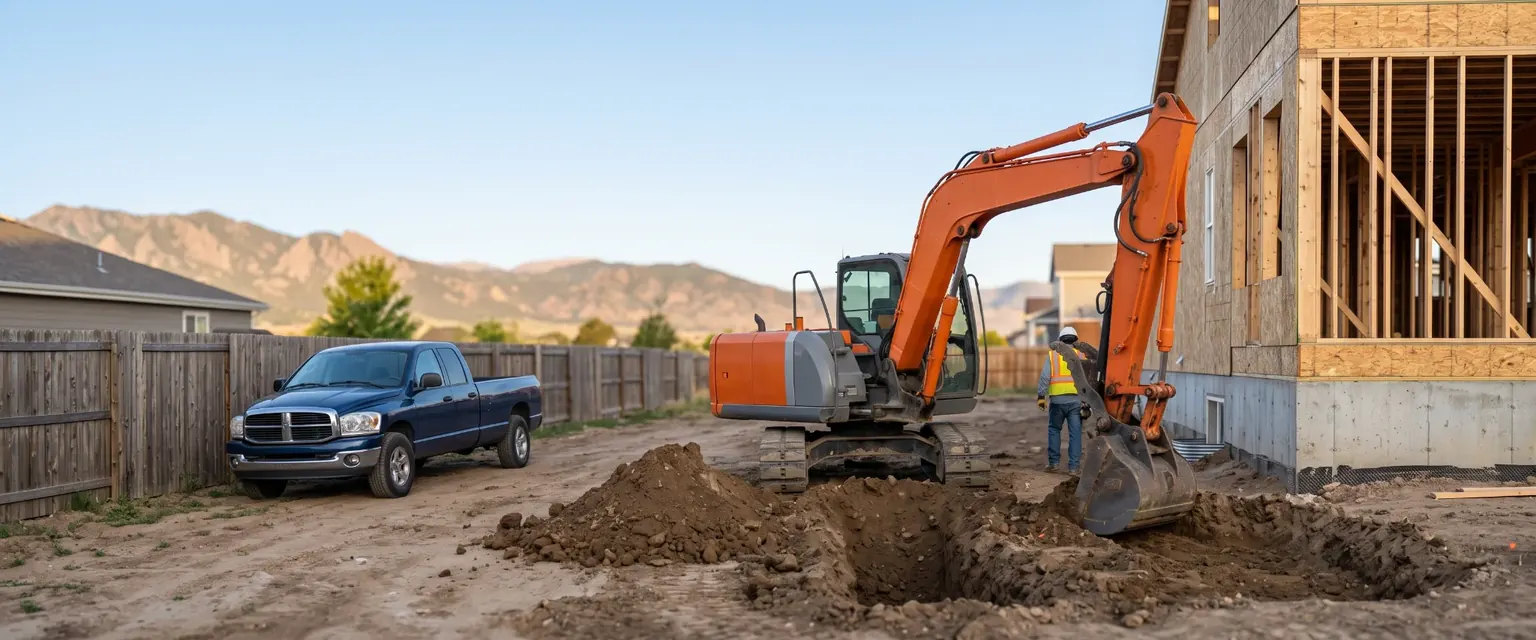
General liability
Pays when your work hurts someone else or their property. The one every GC asks about first. General liability explained -
 Coverage
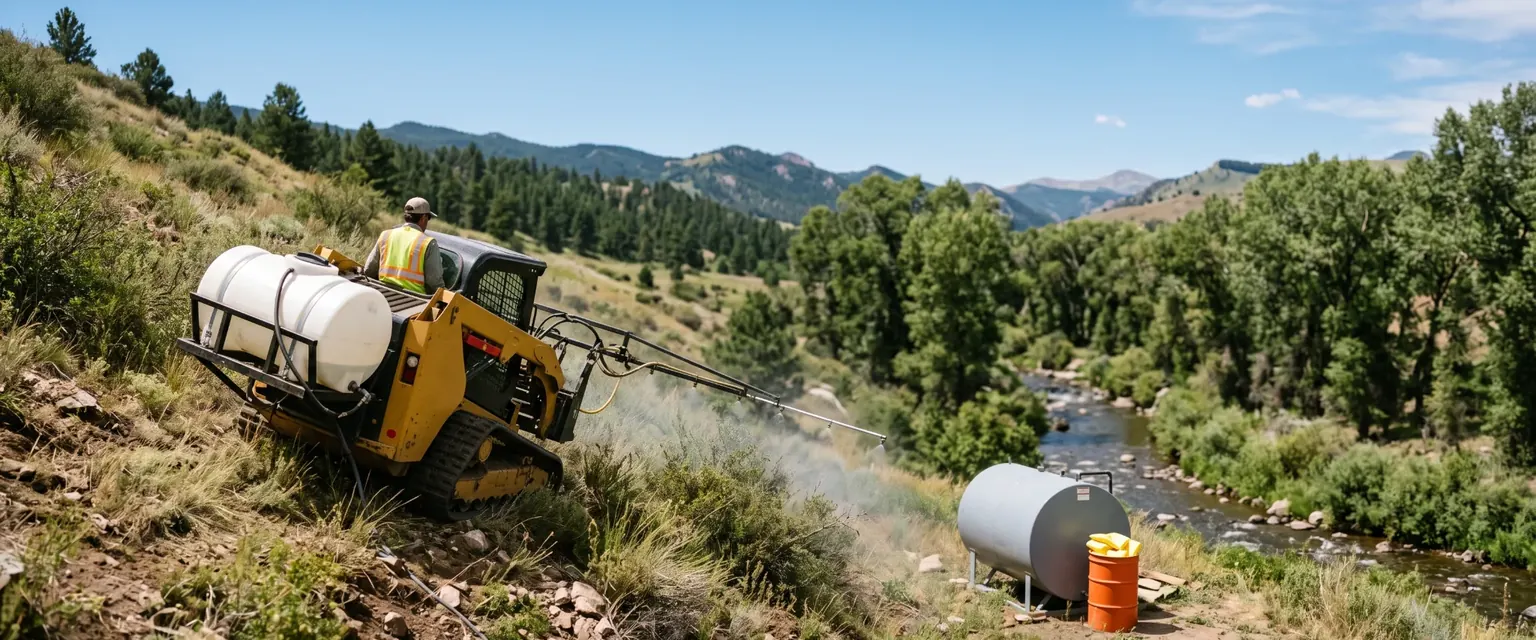
Pollution liability
Covers the fuel spill, the brine runoff, the herbicide drift. GL excludes all three under most forms. Pollution liability explained -
 Coverage
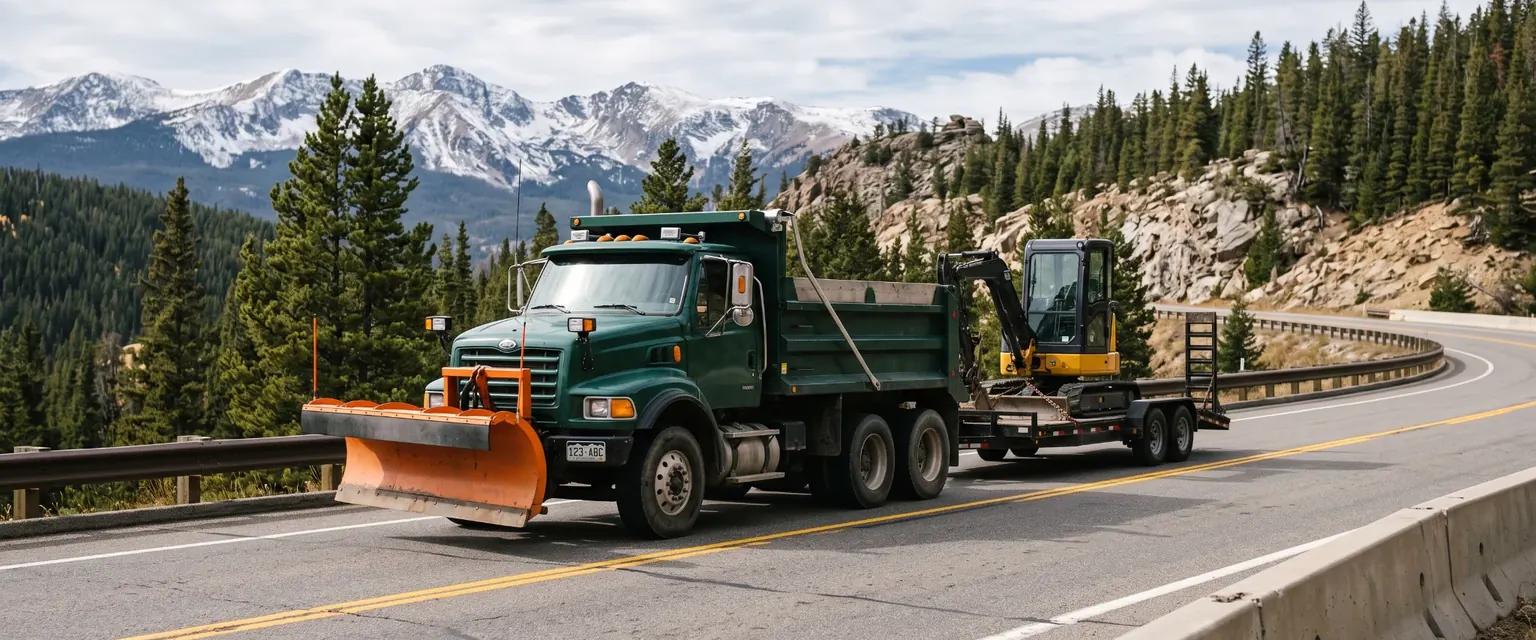
Commercial auto
Covers the dump truck, the plow truck, and the crew pickup on the road. Personal auto typically won't. Commercial auto explained
Does general liability cover damage to the building next door?
Does my GL policy cover asbestos?
Do I need a separate license to do demolition in Colorado?
Why does demolition cost more to insure than excavation?
Statutes and numbers on this page last verified September 3, 2026 by a licensed Colorado producer. How we verify.