
COLORADO · NORTHERN FRONT RANGE
Excavation, Landscaping, and Snow Insurance in Fort Collins and Loveland
Fort Collins licenses every contractor working inside the city, Loveland wants a right-of-way permit for the smallest cut, and the ground between them is river cobble, expansive clay, and irrigated farmland turning into subdivisions.
Fort Collins and Loveland at a glance
- Licensing
- Fort Collins requires a city contractor license with general liability for every class and a right-of-way license for any cut in city ROW; Loveland requires a Major ROW permit with listed GL, auto, and workers' comp for any work in the right-of-way; unincorporated Larimer County licenses permit-level work; septic permits and installer licensing run through the county health department; one acre of disturbance triggers the state stormwater permit and the county MS4 program.
- Ground
- Cobble and high water tables in the Poudre and Big Thompson bottoms, expansive clay on the benches through Loveland and south Fort Collins, shale and sandstone against the hogbacks, and irrigation-saturated ag ground east toward Timnath and Windsor.
- Snow
- Upslope storms often leave Fort Collins with less than Denver while northwest wind off the foothills drifts I-25 toward Wellington; student-housing and multifamily managers run one-inch triggers with logs, HOAs in Windsor and Timnath run seasonal, and Fort Collins gives sidewalks 24 hours.
- Contracts
- CSU-driven multifamily and student housing portfolios ask for $1M/$2M plus umbrella and logs; city ROW permits list their own GL, auto, and additional insured wording; ditch companies control lateral crossings on ag land; subdivision GCs in Timnath, Windsor, and Wellington use the standard AI and waiver package.
Two cities, one county, three kinds of paperwork. Fort Collins licenses everyone. Loveland permits everything in the right-of-way. Larimer County licenses permit-level work in the unincorporated ground between, and the health department runs septic. Under all of it is the Poudre River, the Big Thompson, a web of irrigation ditches, and a student-housing market that turns over every August. This page sits under our excavation, landscaping, and snow removal hubs and the Colorado map.
The licensing reality in Fort Collins and Loveland
Fort Collins, inside the city. Fort Collins requires a city contractor license for all contractors working in the city (owners working on their own single-family homes excepted), including a Demolition specialized-trade license, with general liability insurance required for every license ($2,000,000 general aggregate for most types; $1,000,000 for right-of-way contractors); no excavation, grading, landscape, or irrigation license class is listed. (City of Fort Collins, Contractor Licensing) Every license type carries a general liability requirement, and the aggregate is the figure to check on your dec page, because a policy written at $1M per occurrence and $1M aggregate does not meet it. Which class a landscaper or grader falls under is a question for the city’s Contractor Licensing office; the list does not name those trades, as of our last check.
Fort Collins, in the right-of-way. Fort Collins requires an Engineering excavation permit any time cutting is done in city right-of-way (sidewalk, boring, street cutting), and the contractor must hold a valid city-issued Right-of-Way Contractor's License for that work category. (City of Fort Collins, Engineering Permits (Excavation Permits)) Sidewalk cuts for an irrigation sleeve count. Boring counts.
Loveland. Loveland requires a Major Right-of-Way permit for any work within the right-of-way, however small, including excavation and landscaping, with commercial general liability of at least $1,000,000 per occurrence for bodily injury, $500,000 per occurrence for property damage, $1,000,000 automobile liability, workers' compensation as required by state law, and the City named as additional insured. (City of Loveland Public Works, Right-of-Way Permits) Loveland writes its GL as two separate per-occurrence figures, one for bodily injury and one for property damage. Most general liability policies are written as a single combined per-occurrence limit, which usually satisfies both, but the certificate has to say so in a way the city’s permit desk will accept. Send us the permit and we’ll word it. The auto requirement and the additional insured ask on the auto policy are the parts that surprise landscapers.
Unincorporated Larimer County. In unincorporated Larimer County, anyone doing work that requires a building permit, other than a homeowner on their own home, must be licensed by the County or the State; the county Special Trade license covers demolition among other trades, and general liability minimums are $1,000,000 for Class A, B, and C and $300,000 for special trades, roofers, and mechanical. (Larimer County Building Division, Contractor Licensing Information) Excavation, grading, and landscaping are not named on the county’s list either. If your work needs a building permit (a retaining wall over the code height, a demolition), you are in the county’s system.
Septic. State and county law require a permit from the Larimer County Department of Health and Environment before building or repairing a septic system, and the Department maintains a list of septic installers, cleaners, and inspectors licensed by or in good standing with it under the 2024 Larimer County OWTS Regulations. (Larimer County Department of Health and Environment, Septic Systems (OWTS); 2024 Larimer County OWTS Regulations)
Stormwater. Larimer County, a Phase II MS4 community, requires builders and contractors to permit land-disturbing work that will disturb one or more acres, obtaining the CDPHE Construction Stormwater Permit (COR400000) and, inside the county's MS4 permit area, a Larimer County Engineering MS4 permit, with county inspections of construction sites over one acre. (Larimer County Engineering, Builders - Stormwater; MS4 Program) An acre goes fast on a Wellington subdivision phase, and the MS4 inspection is a county inspector on your site with a camera.
Terrain and soil
Fort Collins and Loveland sit on two rivers, and the rivers decide most of the excavation problems. The Poudre bottoms through Laporte, Old Town, and east toward Timnath are cobble: rounded river rock in a sand matrix that eats trencher teeth, stops a vibratory plow cold, and lets groundwater into any hole deeper than a shovel. An irrigation crew pulling mainline across a Poudre-bottom lot plans on the trencher and a mini excavator both, and on dewatering.
Up on the benches, through most of Loveland and south Fort Collins, it turns to Front Range expansive clay. Retaining walls tip, patios heave, and the completed-operations claim shows up after the first wet spring. Against the hogbacks on the west side, around Horsetooth and Masonville, the clay gives way to shale and sandstone that a mid-size excavator scratches at until the hydraulic hammer comes out.
East of I-25 it is ag ground. Timnath, Windsor, and Wellington are irrigated fields turning into subdivisions, and irrigated ground stays saturated most of the summer. A grading crew building pads out there fights soft subgrade, a high water table, and laterals nobody mapped. The lateral is owned by a ditch company, and crossing it without their sign-off is a claim before the bucket touches water.
The tree work here has its own shape. Old Town’s mature ash canopy is being thinned as the ash borer works up the Front Range, and the cottonwoods along both rivers are big, hollow, and close to houses. A crane pick over a Mountain Avenue roof is a different underwriting conversation than a hedge trim.
Both cities push water-wise landscaping through their codes and utility programs, and the specifics change often enough that we don’t track them as facts here. Pull the current landscape standards from the city before you spec a turf conversion. What we watch is the insurance side: a xeric conversion is grading and drainage work in disguise, and drainage toward a foundation is a completed-operations claim with your name on it.
Snow, and what the contracts trigger
Fort Collins snow is inconsistent. The big upslope storms that bury Denver and the Palmer Divide often leave Fort Collins with less, because the moisture stacks up south of the city, and then a March storm comes in flat and dumps on Loveland and Berthoud instead. The reliable part is the wind. It comes off the foothills from the northwest and drifts I-25 and the county roads toward Wellington and the Wyoming line while the campus is clear.
The contracts follow the market. Multifamily and student-housing managers around CSU run one-inch triggers, short response windows, and a log requirement, on per-push or hybrid billing, because a slip-and-fall on an apartment walkway is their biggest exposure and yours. HOAs in Windsor, Timnath, and the Loveland subdivisions run seasonal contracts more often. Most plow operators here carry both and watch the mix.
Fort Collins requires property owners and residents to clear snow and ice from sidewalks adjacent to their property within 24 hours after a snowfall. (City of Fort Collins, Snow Removal) A campus-area lease that promises tenants “clear by morning” has written you a tighter standard than the city’s. Loveland has its own sidewalk rule; we haven’t verified the hours, so confirm them with the city before you write a response time into a contract.
Contract norms we see here
Student housing and multifamily. The big portfolios near campus are managed by regional or national firms whose contracts ask for $1M/$2M general liability, the manager and the owner as additional insureds, primary and non-contributory wording, a waiver of subrogation, and often an umbrella. Snow and landscape logs are part of the deliverable.
Municipal. The right-of-way permits above carry their own insurance lists, and the cities copy the same additional-insured language into project contracts. A commercial auto policy with the city as additional insured is the line item that most landscapers do not already have.
Ag adjacency. Farm and ranch work east of I-25 comes with the least paper and the most exposure: ditch company crossings, center pivots you cannot hit, and a landowner who wants a handshake. Get the ditch company’s approval in writing anyway.
Subdivision GCs. Timnath, Windsor, and Wellington builders use the standard package: $1M/$2M, additional insured on ongoing and completed operations, waiver, and a certificate before mobilization.
Nearby
We work with contractors across Larimer County: Windsor and Timnath on the east side, Wellington up the interstate, Berthoud and Johnstown to the south, Laporte up the canyon road, and Estes Park at the top of the Big Thompson. East of the county line the ground turns to oil and gas leases and Weld County ag, covered on the Greeley and Weld County page. South on US 287, the permitting gets stricter and the floodplains more active at Boulder and Longmont.
Where to go from here
Send the dec pages to the policy review and we’ll check the aggregate against the Fort Collins license and the auto wording for Loveland. Starting fresh? Get Insured lists what to have ready. No online quote. A Larimer County book gets built around which side of the river you dig on.
Serving businesses located in Colorado. Coverage is determined by the policy language and the carrier.
Trades
Trades common in Fort Collins and Loveland.
-
 LANDSCAPING TRADE
Irrigation Contractor
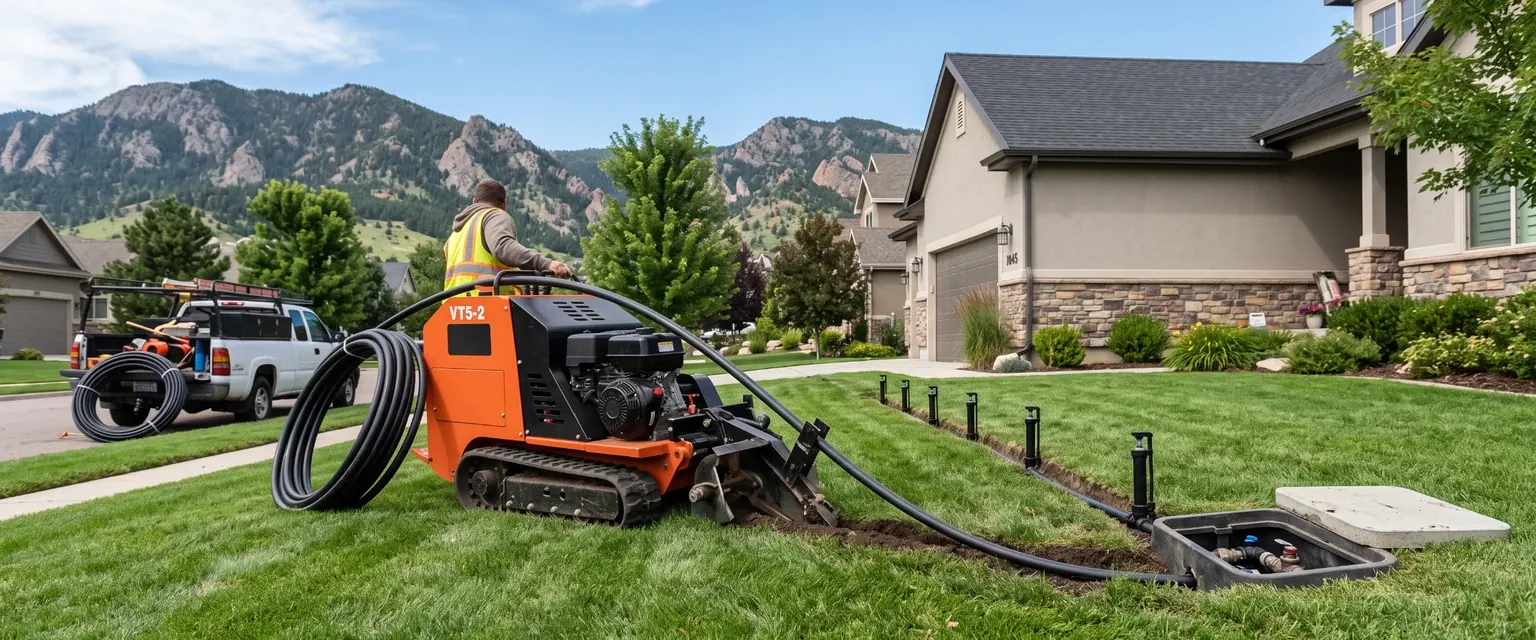
Irrigation is the landscaping trade that puts water under pressure next to somebody's foundation. Most of your claims are water where it shouldn't be, and the argument is always about which part was your work and which part was the house. Here's how a Colorado irrigation policy has to be built. Irrigation Contractor insurance -
 LANDSCAPING TRADE
Tree Service
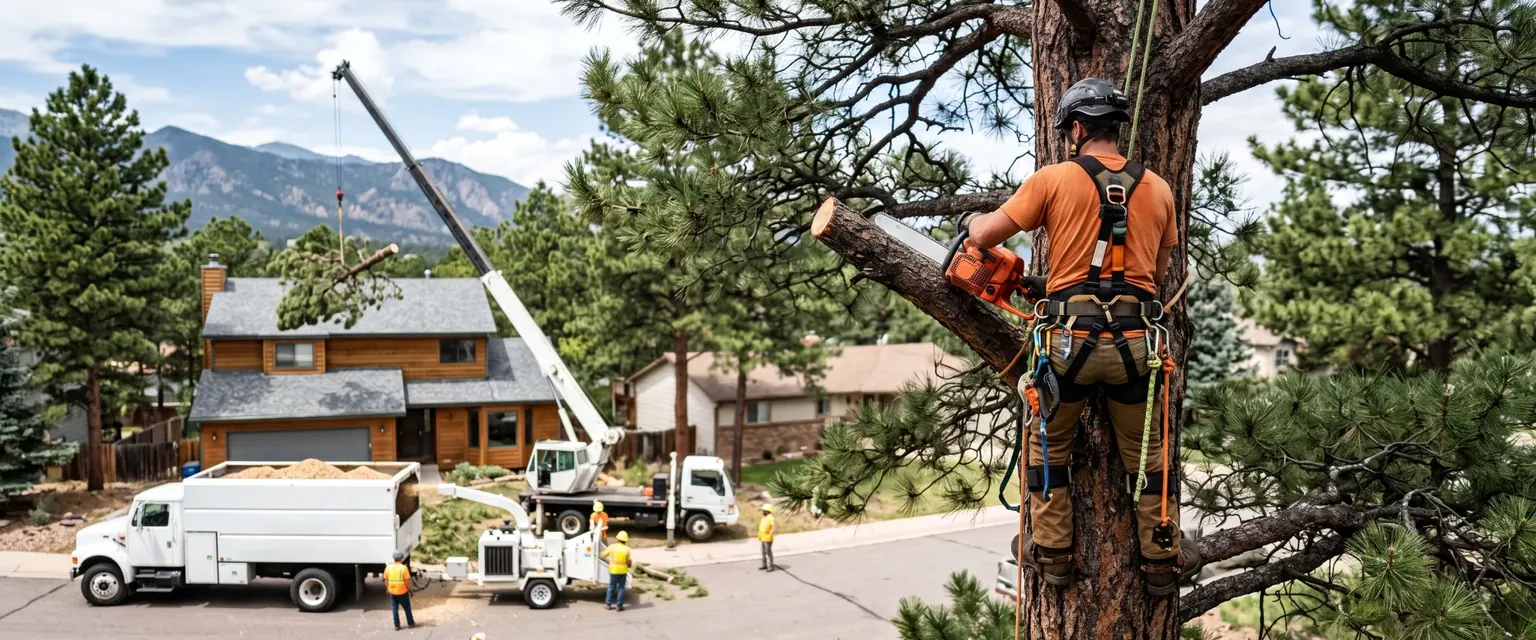
Tree work is the landscaping trade carriers are most careful with, and the one landscapers most often do without telling anyone. Here's what a Colorado tree service policy has to cover, and why the honest answer starts with whether a carrier will write it at all. Tree Service insurance -
 EXCAVATION TRADE
Grading and Site Prep
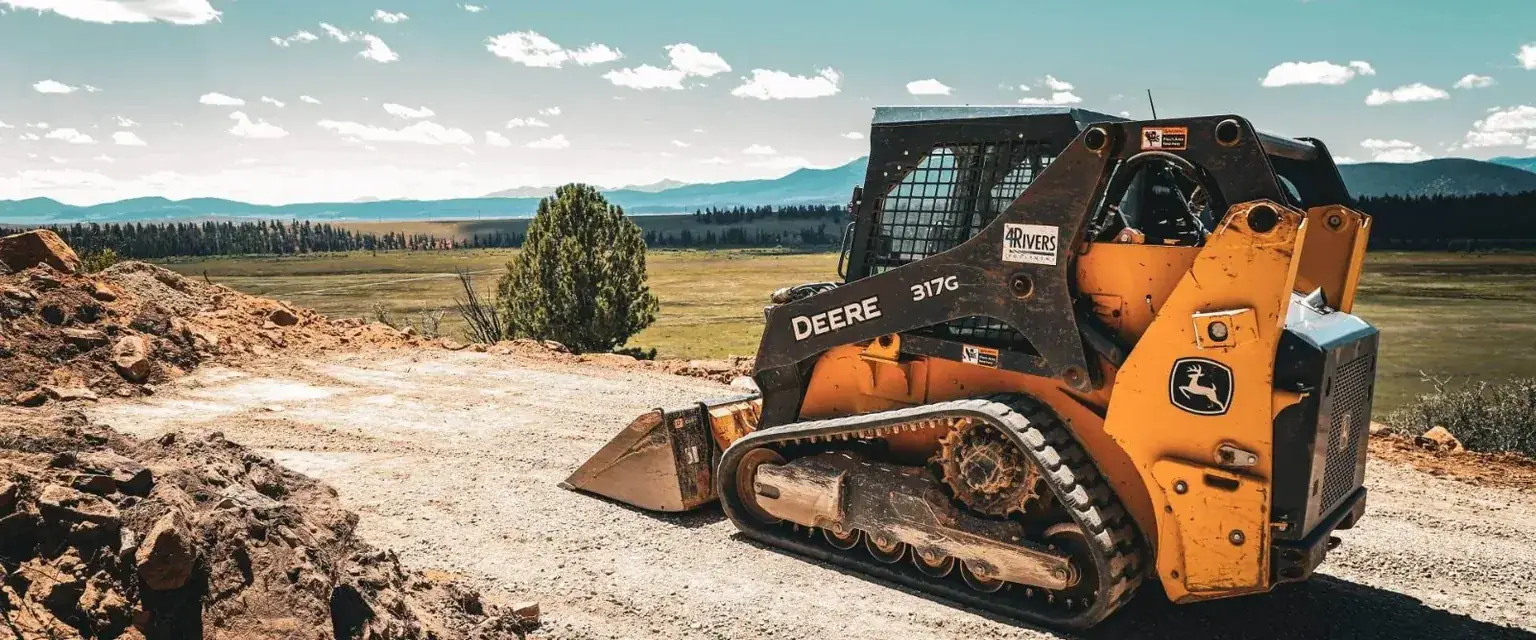
A pad that drains the wrong way, a wall that bulges after a wet spring, silt in the neighbor's yard after a July storm. Grading claims show up late and argue about who was at fault. Here's what the policy has to do. Grading and Site Prep insurance
Nearby
Working outside Fort Collins and Loveland? The next pages over.
Does a landscaper need a contractor license in Fort Collins?
What insurance does Loveland want for a right-of-way permit?
Who permits septic systems in Larimer County?
Statutes and numbers on this page last verified September 2, 2026 by a licensed Colorado producer. How we verify.