COVERAGE
Commercial Auto for Colorado Contractors
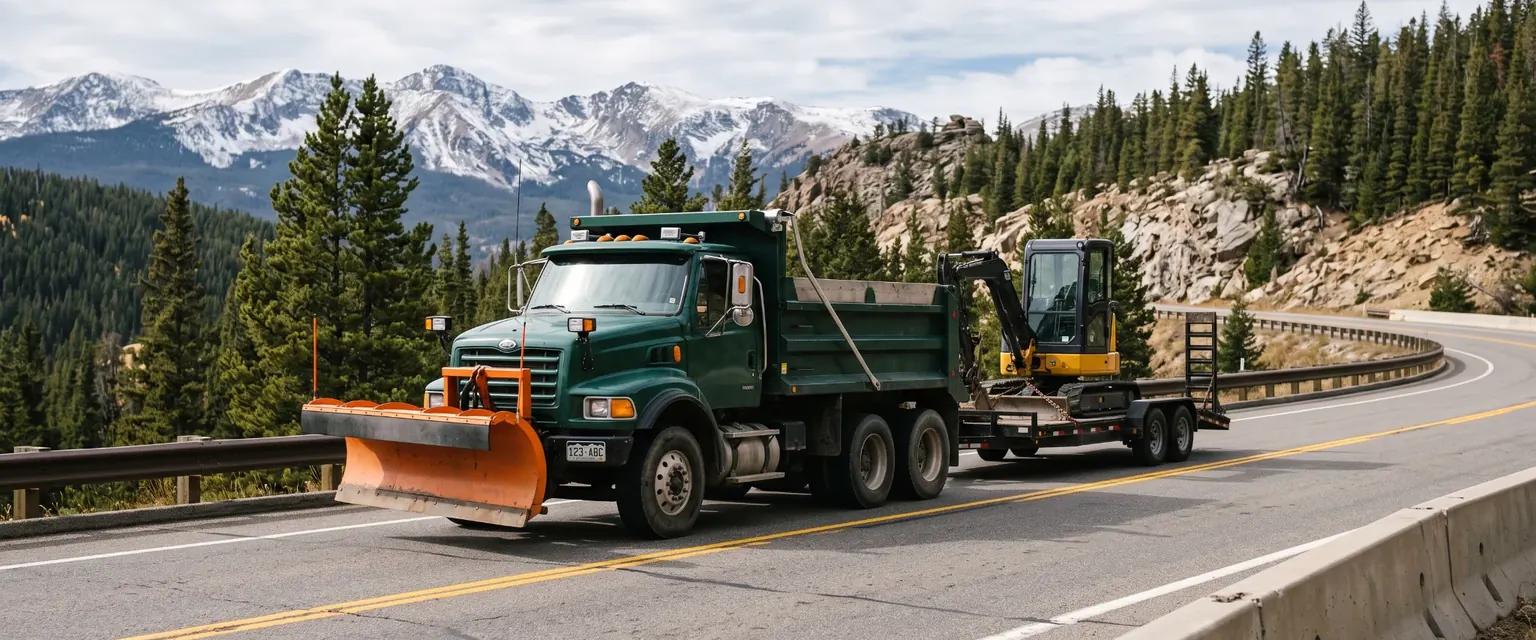
25/50/15 is legal. It is not a commercial auto policy, and it is not what the GC's contract asks for. Here's what your dump truck, plow truck, and crew pickup actually need on a Colorado road.
Commercial auto
What it typically does, and what it does not.
What it typically does
- Liability for injury and property damage your trucks cause on the road, up to the combined single limit
- Physical damage to your own trucks (collision and comprehensive) when you buy it per vehicle
- Hired and non-owned auto, for the rented lowboy and the employee driving his own pickup to the job
- A plow truck as a plow truck, when the carrier knows the blade is on it
- Medical payments and uninsured motorist coverage, where you choose to carry them
What it does not do
- Business use of a truck on a personal auto policy is commonly excluded; that is what a commercial auto policy is for
- The excavator on the trailer is excluded; that is what contractors equipment (inland marine) is for
- Damage to a sidewalk or lawn you plow is excluded under the auto form; that is what general liability is for
- The load you haul for someone else is excluded; that is what motor truck cargo coverage is for
- Injuries to your own driver are excluded; that is what workers' compensation is for
- Limits above the policy are excluded; that is what umbrella and excess is for
Who needs it
- Anyone with a truck titled to the business, or a truck that does business work most days
- Every plow operator, because a blade on the front is business use by definition
- Dump truck and aggregate haulers, especially anyone hauling for hire
- Crews where employees drive their own vehicles between jobs (hired and non-owned)
Descriptions say what a coverage typically does; your policy form controls.
Your truck with a plow on it is not covered the way you think. Neither is the dump truck on a personal policy, or the new hire’s pickup on the way to the yard. Commercial auto is the line where “legal” and “insured the way the contract expects” are two different things. Here’s what the policy typically does on the road, what it doesn’t, and how the trucks that move dirt and snow get rated.
What commercial auto does on your job
Start on Crow Hill. A Mack dump truck loaded with road base is coming down US 285 toward Bailey in a freeze-thaw cycle, the brakes are hot, and the truck rear-ends a car at the light. Two people in the car go to the hospital. Under most standard commercial auto forms, that’s the claim the policy was written for: the injuries, the car, the defense, up to the combined single limit on the dec page.
Different truck, same policy. A pickup with a Western blade is clearing an HOA lot in Highlands Ranch at 4 a.m. and slides into a parked car. A crew truck towing a Yanmar mini skid steer to a job in Golden jackknifes on I-70 ice. A one-ton pulling a chip trailer from a tree job clips a mailbox in Fort Collins. Liability for what the vehicle did to other people. That’s commercial auto, subject to the limits and the policy language.
Two things to keep separate: liability and physical damage. Liability is what you owe other people. Physical damage is your own truck, bought per vehicle as collision (you hit something) and comprehensive (hail, theft, fire, a deer at dusk on Kenosha Pass). A paid-off 2012 Mack may or may not justify physical damage. A truck with a lien on it doesn’t get the choice.
Hired and non-owned auto is the third piece, and it’s the one people skip. Hired covers the lowboy you rent to move an excavator. Non-owned covers the employee driving his own pickup for parts. The employee’s personal policy typically responds first, and yours picks up what’s left.
What it does not do
- Business use on a personal policy. Under most standard personal auto forms, hauling for pay, plowing for pay, and carrying crews to jobs is excluded, and a claim adjuster will ask what the truck was doing. What covers it: a commercial auto policy that rates the truck for what it actually does.
- The machine on the trailer. The trailer is auto if it’s scheduled. The skid steer on it is not. That’s contractors equipment, and equipment in transit is the specific line to look for.
- The lawn you plowed onto. Damage a plow does to the property it’s servicing (sidewalks, curbs, sod, the sprinkler head you didn’t see) typically falls to general liability, not the auto form. Having both on the same carrier helps when the two forms argue about it.
- The load. Aggregate you’re hauling for someone else is cargo, and cargo is its own coverage. The truck’s liability form doesn’t pay for spilled material or the customer’s load.
- Your driver. Injuries to the person behind the wheel are workers’ compensation.
- Anything past the limit. A haul truck accident with two hospitalizations can pass $1M. That’s umbrella and excess, and the umbrella will insist on knowing what the auto limit is.
Who needs it
Anyone with a plate on a business vehicle. In practice that’s every trade under excavation, landscaping, and snow removal, because every one of them drives to the job. The people who need it most and have it least: the residential plow operator running a blade on a personal-policy pickup, the lawn crew with three employees driving their own trucks between accounts, and the dump truck owner-operator who started hauling for a neighbor’s pit and became a for-hire carrier without noticing.
How it’s rated
No dollar figures. The drivers:
- Vehicle type and weight. A loaded Mack rates far above a half-ton. Gross vehicle weight is the first sort.
- Use. Plowing, for-hire hauling, and towing equipment all rate above driving to a job site.
- Radius. A truck that stays in Park County reads differently from one running South Park pits to Denver jobs every day.
- Drivers. Motor vehicle records for everyone who drives. One bad record on a young driver moves the whole schedule.
- Limits and coverages. $1M CSL versus state minimum, physical damage on or off, deductibles.
- Loss history. Frequency matters more than one big claim.
- Filings. For-hire authority and an MCS-90 change the class of policy, not just the price.
Radius and use are the two to be honest about up front. The claim is the wrong time.
Colorado notes
The minimum. Colorado requires minimum auto liability limits of $25,000 per person and $50,000 per accident for bodily injury and $15,000 per accident for property damage (C.R.S. 10-4-620; 42-7-103(14)(a)), unchanged as of 2026; commercial contracts commonly ask for $1,000,000 combined single limit instead. (C.R.S. 10-4-620; 42-7-103(14)(a)) Read the property damage number again. A loaded haul truck can do more than that to one parked car. The minimum keeps the plate legal. That’s all it does.
Where $1M comes from. CDOT utility and special-use permits for work in state highway right-of-way require commercial general liability of $1,000,000 per occurrence and $2,000,000 aggregate and $1,000,000 auto liability, with CDOT named as additional insured and certificates furnished before work starts; access-permit projects may also require a performance bond. (CDOT Form 1233 (Utility Permit) and Form 1283 (Special Use Permit); 2 CCR 601-18 § 2.2.2) [VERIFY] That’s the number every county, city, and GC copies onto its own insurance exhibit, which is why an HOA in Castle Rock asks a plow contractor for the same auto limit CDOT asks of a utility contractor.
Plow trucks. Snow contracts put you on the lot within hours of a trigger, which means night driving on unplowed roads in a truck with a blade that changes how it stops. Carriers rate plow trucks as plow trucks. A personal policy that finds out after the claim reads the exclusion first.
Mountain radius. Wind on the plains east of Greeley and ice on Vail Pass are the two conditions carriers ask about most when they see a statewide radius. If your trucks don’t leave the Front Range, say so. It matters.
Contract language you’ll see
- “Automobile liability, $1,000,000 combined single limit, any auto.” “Any auto” means the policy’s coverage symbol includes owned, hired, and non-owned vehicles. A policy written for scheduled autos only won’t satisfy this line.
- “Including hired and non-owned autos.” Sometimes spelled out, sometimes buried inside “any auto.”
- “Additional insured on the auto policy.” Common on municipal and CDOT work, less common on private. It’s an endorsement.
- “Waiver of subrogation.” Same request as on your GL, applied to the truck.
- “MCS-90 endorsement or evidence of federal filing.” On hauling contracts and pit agreements only.
- “Certificate holder to receive thirty days’ notice of cancellation.” The carrier’s form decides what notice it gives. We can’t change that on a certificate.
Where to go from here
Send us the auto dec page and the vehicle list with a note on what each truck actually does. That’s the policy review, and it takes less time than a pre-trip. If you’re starting from a personal policy, Get Insured walks through what to have ready: VINs, drivers, radius, and the insurance section of the contract you’re trying to satisfy. The iron the trucks haul is a separate policy, so read the contractors equipment page too.
Serving businesses located in Colorado. Coverage is determined by the policy language and the carrier.
Terms on this page: combined single limit, hired and non owned auto, business use exclusion, mcs 90, physical damage, radius of operation, symbol 1 any auto, certificate of insurance. Full glossary.
Who carries it
Trades that carry this coverage.
-
 EXCAVATION TRADE
Dump Truck and Aggregate Hauling
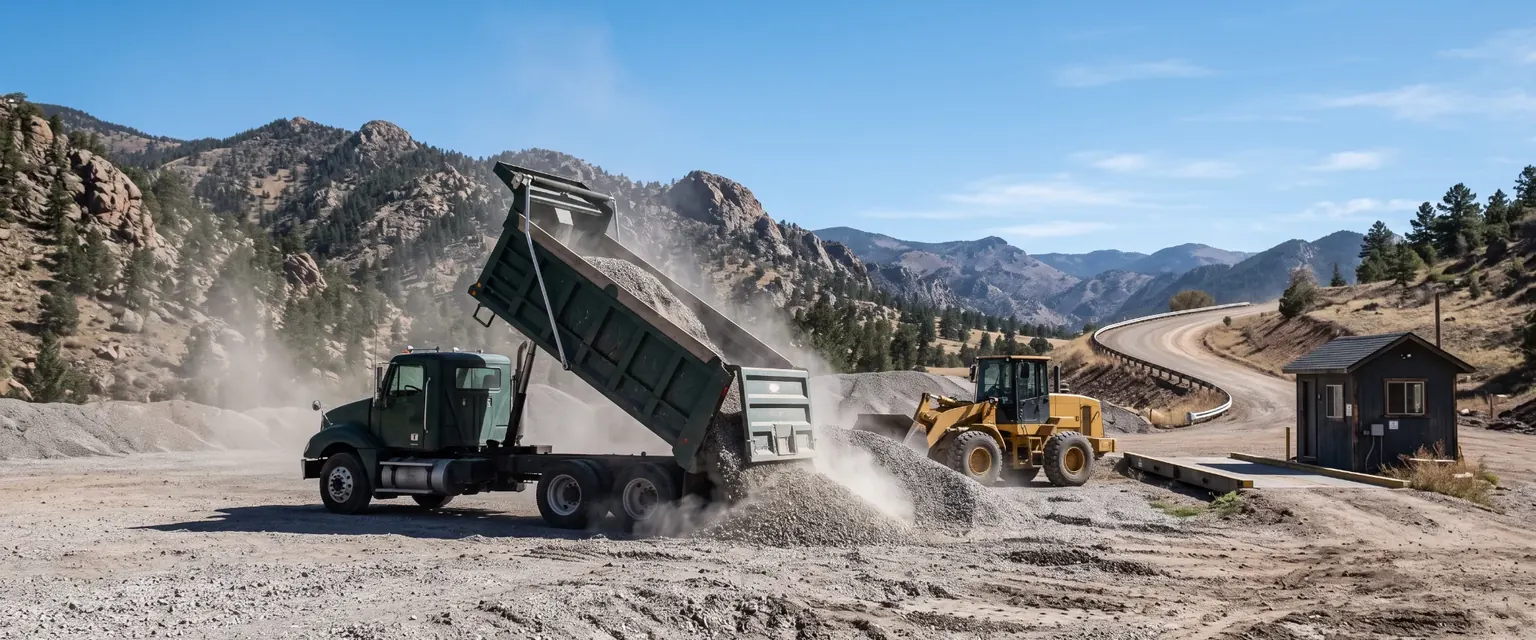
A loaded Mack dump truck is the most expensive thing most dirt outfits put on a public road. Whether it hauls your own material or someone else's for a fee changes the whole policy. Here's where that line sits in Colorado, and what the truck, the load, and the driver each need. Dump Truck and Aggregate Hauling insurance -
 SNOW TRADE
Residential and HOA Snow Plowing
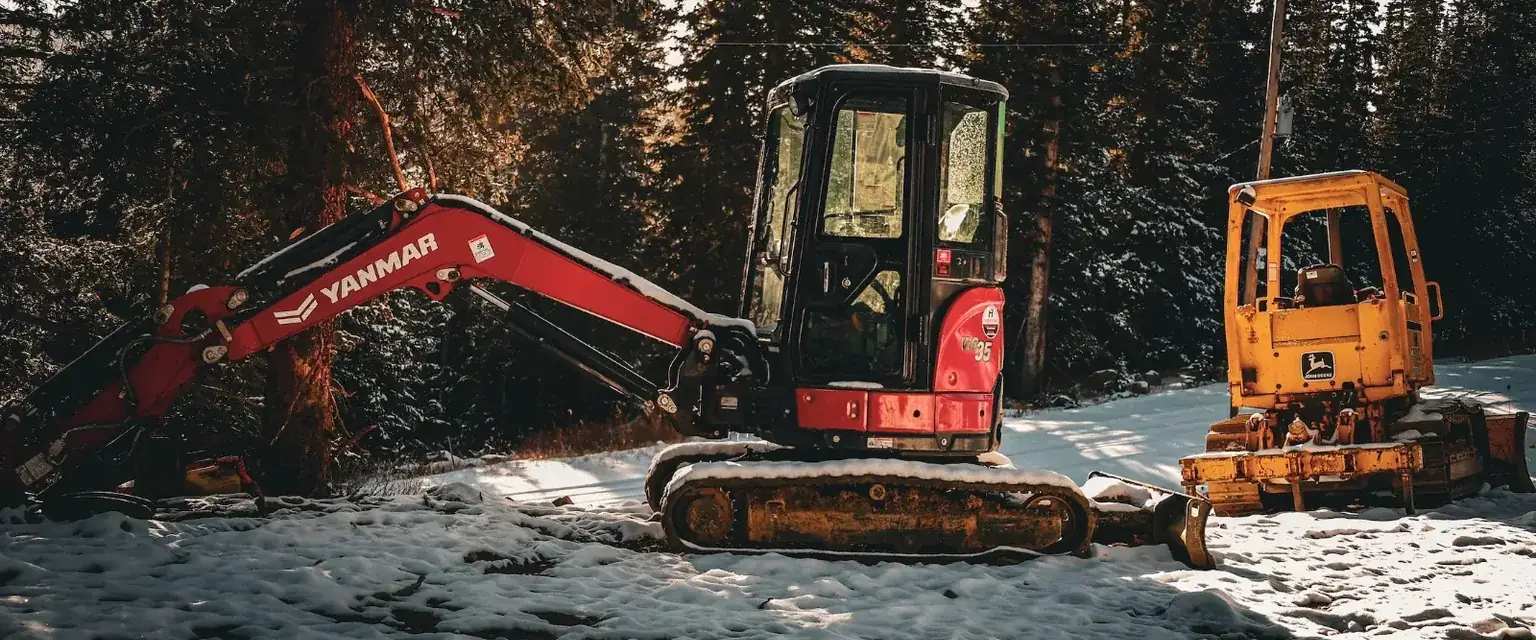
Most residential plowing in Colorado starts with a pickup, a blade, and a personal auto policy that was never told. Here's what an HOA and driveway plowing policy has to do, from an agency that plows driveways above 9,000 feet in the dark. Residential and HOA Snow Plowing insurance -
 LANDSCAPING TRADE
Lawn Care and Maintenance
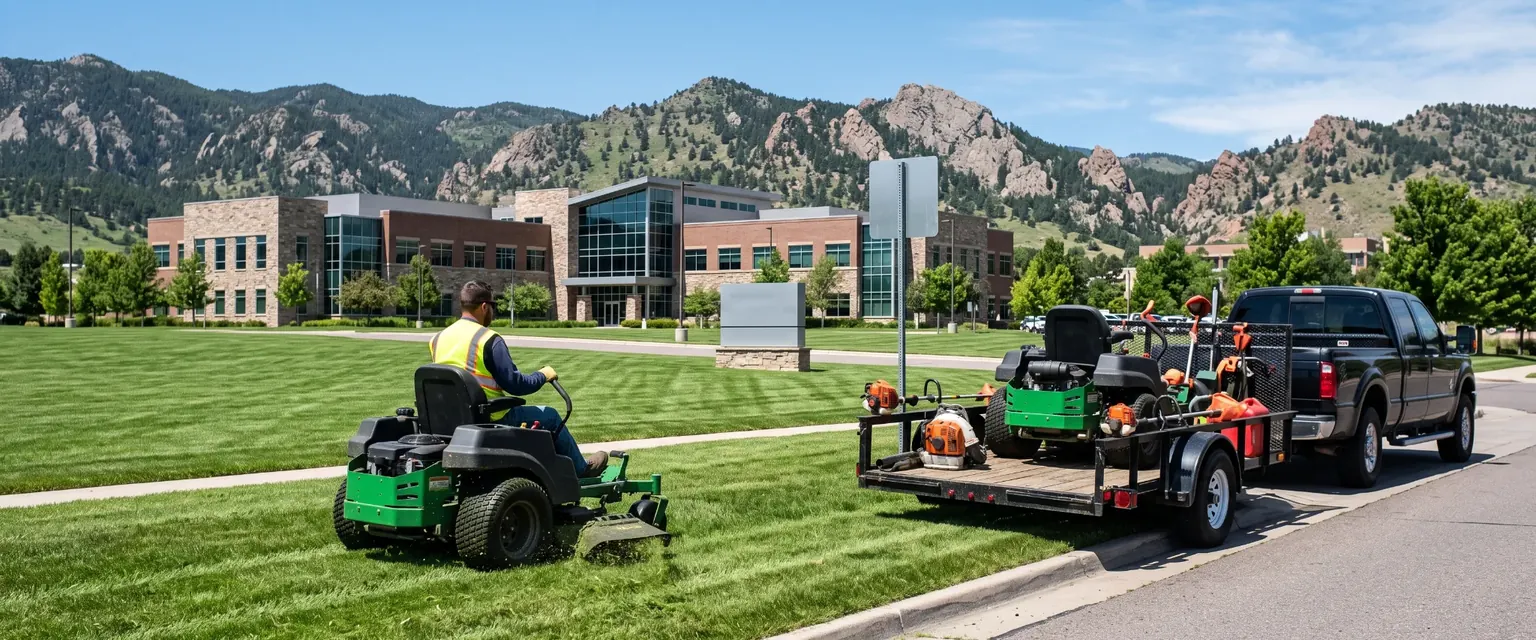
Maintenance is the landscaping trade with the most claims per dollar of revenue. Not the biggest claims. The most. Here's what a Colorado lawn care policy has to catch, from rock-throw to the plow you put on the same truck in November. Lawn Care and Maintenance insurance
Can I keep my plow truck on my personal auto policy?
What is the difference between 25/50/15 and a $1M combined single limit?
What is hired and non-owned auto?
Do I need an MCS-90 endorsement?
Is my skid steer covered by commercial auto while it is on the trailer?
Statutes and numbers on this page last verified September 2, 2026 by a licensed Colorado producer. How we verify.