COVERAGE
Commercial Property and BOP for Colorado Contractors
Hail takes the roof off the pole barn in Greeley. A wildfire runs through the yard above Conifer. A pipe freezes in the shop in South Park and the tool crib is under an inch of ice. Your equipment policy covers the iron. This is the policy for everything the iron sits in.
Commercial property and BOP
What it typically does, and what it does not.
What it typically does
- The building you own: shop, pole barn, office, salt shed, fuel shed, fencing, and paving on the yard, when scheduled
- Business personal property inside it: hand tools, the welder, the parts shelf, the office computer, the desk, the inventory of bagged de-icer
- Tenant improvements in a leased shop, which the landlord's policy typically does not cover
- Business income and extra expense after a covered loss shuts the shop, if the coverage is on the policy
- Fire, wind, hail, vandalism, theft from the building, and vehicle damage, under most standard forms
- A bundled general liability policy, when the property is written as a business owner's policy (BOP)
What it does not do
- Machines and attachments are excluded, even parked inside the shop; that is what contractor's equipment (inland marine) is for
- Trucks and trailers are excluded; that is what commercial auto is for
- Property away from the premises is sublimited on most forms; that is what an installation floater and a scheduled equipment policy are for
- Flood and earth movement are excluded under most forms; that is what a separate flood policy or an endorsement is for
- Wear, rot, and a roof that was already failing are excluded; that is what maintenance is for, while sudden storm damage is covered
- Injuries to your crew in the shop are excluded; that is what workers' compensation is for
Who needs it
- Anyone who owns a shop, a pole barn, or a fenced yard, because the lender and the county both expect it
- Anyone leasing a shop, because the lease almost always requires it and the landlord's policy stops at the walls
- Tree services, hauling outfits, and snow contractors with a salt shed, a chip yard, or a parts inventory that would take a season to replace
- Any outfit that could not run the next job from a pickup if the shop burned
Descriptions say what a coverage typically does; your policy form controls.
Most contractors we talk to have the shop insured the way the lender asked for it the year they bought it, and nobody has looked since. That’s fine until the roof is gone. Commercial property is the policy for the building and what’s in it. A business owner’s policy (BOP) is the bundled version, and the honest answer is that most outfits under our excavation hub don’t qualify for one. Here’s what property coverage typically does, what it doesn’t, and where the BOP fits.
What it does on your job
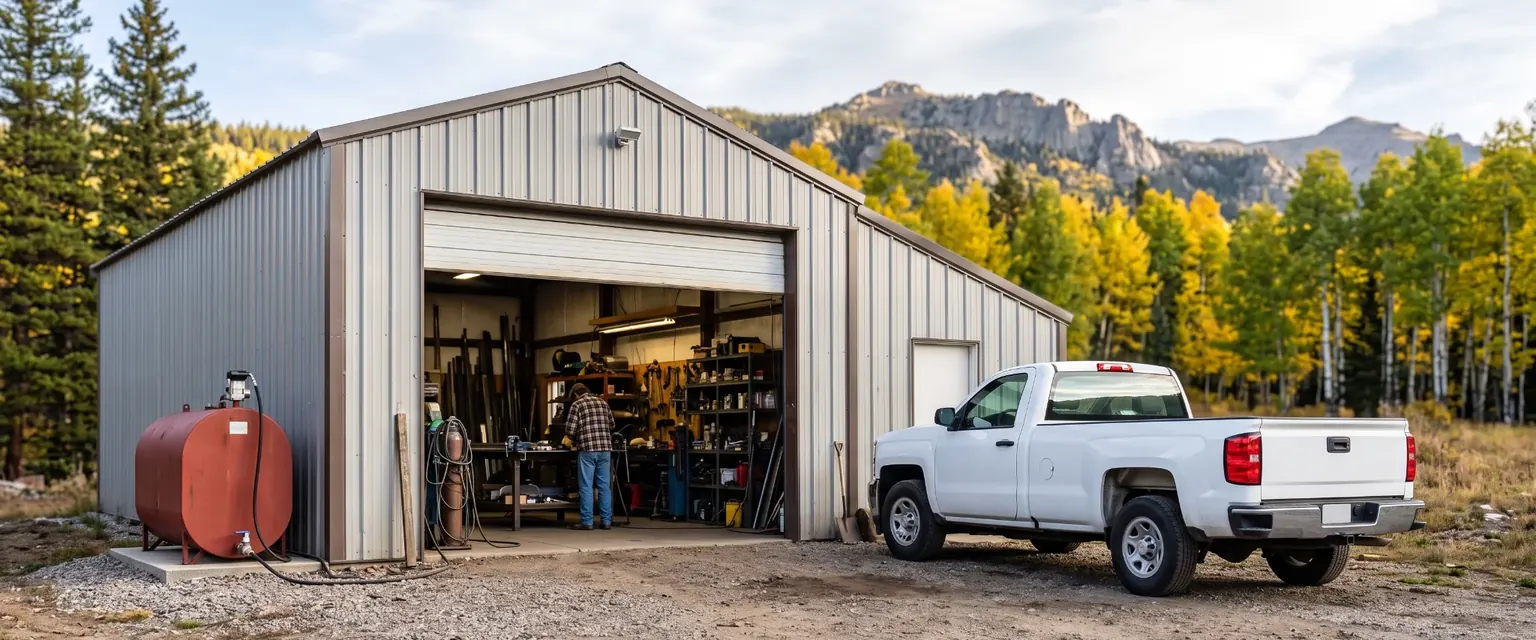
Start in the yard. A hauling outfit in Greeley runs three Mack dump trucks out of a steel pole barn with a parts shelf, a welder, a fuel shed, and an office in the corner. A July hail cell comes across Weld County and opens the roof like a can. The trucks were out working, so they’re fine. The building, the welder, the office computer, and a season’s worth of filters and tires are the claim. Under most standard property forms, that’s the building at replacement cost (if you bought it that way), the business personal property inside, and the cost of renting a bay in town while the roof is rebuilt.
Same policy, different trade. A tree service has a chip yard and a shop above Conifer in the wildland-urban interface, and a fire runs through it in a dry October. A commercial snow crew keeps a salt shed and forty pallets of de-icer in a leased yard in Aurora, and a plow truck backs through the shed wall in the dark. All property, all yours, all this policy, subject to the limits and the policy language. The John Deere 772GP parked in the same shop is not. That’s contractor’s equipment, and the seam runs right through the shop door.
Two things to keep separate: the building and the income. The building side pays to rebuild. Business income pays what the shop would have earned while it’s down, plus the extra expense of working around it. For a dirt outfit that runs Monday’s job from the yard either way, it’s small. For a tree service with a chip yard or a snow outfit in December, it isn’t.
What it does not do
- Machines and attachments. Excluded under most property forms, even parked inside. Contractor’s equipment covers them, in the shop or on a lot in Fairplay.
- Trucks and trailers. Excluded. That’s commercial auto, including the plow truck that went through the shed wall.
- Property away from the yard. Most forms carry a small off-premises limit. Materials on a job are an installation floater. Tools that ride in the truck belong on the equipment policy.
- Flood and earth movement. Excluded under most standard forms. A yard along the Big Thompson or the South Platte needs a separate flood policy. What is covered is water that comes in through the storm-damaged roof.
- Wear and old roofs. A roof that was failing before the hail isn’t a hail claim. What is covered is sudden storm damage, and some forms settle older roofs at actual cash value. Ask.
- Your crew. An employee hurt in the shop is workers’ compensation. A customer hurt in the shop is general liability.
Who needs it
Anyone with a building or a lease. Under our excavation, landscaping, and snow removal hubs, that’s most outfits past the pickup-and-a-storage-unit stage. The lender requires it on a building you own. The lease requires it on one you rent, and the landlord’s policy stops at the walls, so the lift and the wiring you paid for are yours to insure. If you could not run next week’s job after losing the shop, you need the income piece too. If you could, and plenty of grading outfits could, keep it small and put the money into the equipment schedule.
How it’s rated
No premium figures here. What moves the number:
- Construction and age. Steel, wood, masonry. Roof age and material carry the most weight on the Front Range.
- Protection class. Distance to a fire station and a hydrant. A yard in South Park rates very differently from one in Aurora.
- Values. Building at replacement cost, business personal property at what it would take to restock, and how close the limit is to that number (coinsurance).
- Wind and hail deductible. Percentage or flat, and what it applies to. This is the main lever on Front Range property pricing.
- Wildfire exposure. Vegetation, slope, access, and defensible space around a mountain yard. Some carriers score it, some decline it.
- Occupancy. Fuel storage, welding, a chip pile, a salt shed. Each one is a question on the application.
Colorado notes
No statute drives this coverage, so these are conditions, not citations.
Hail on the Front Range. From the plains east of Greeley down through Castle Rock, summer hail is the loss that shapes the policy. Expect a separate wind and hail deductible, questions about roof age, and pressure to settle an older roof at actual cash value. A yard full of equipment under the same hail is on the equipment policy, not this one.
Wildfire in the mountains. A shop above Bailey, Conifer, or Evergreen sits in the wildland-urban interface, and carriers underwrite it on defensible space, access, and what’s stacked against the building. What we don’t control is whether a given carrier is writing new mountain property at all in a bad fire year. Ask early, before the lease is signed.
Freeze and snow load. An unheated shop in South Park or the Fairplay flats will freeze a pipe, and a pole barn built for Front Range snow can’t take a mountain winter’s load. Both are covered under most forms if the damage is sudden. Both get declined as maintenance if the pipe had been weeping for a month.
Contract language you’ll see
- “Tenant shall maintain property insurance on its personal property and improvements.” The standard lease ask. Your policy, your limit.
- “Landlord named as additional insured and loss payee.” Additional insured goes on the liability side. Loss payee goes on the property side for the improvements the landlord has an interest in.
- “Mutual waiver of subrogation.” Neither carrier chases the other party after a loss. Common, and it needs an endorsement on your policy to work.
- “Lender named as mortgagee.” On a building you own. The lender gets notice of cancellation and a say in how a claim check is spent.
- “Replacement cost, agreed amount, coinsurance waived.” What you want on a building you own, if the carrier will write it. It removes the coinsurance penalty when values drift.
Where to go from here
If you have a property policy from the year you bought the building, send it in for a policy review and we’ll check the values, the hail deductible, and whether business income is on it at all. Starting fresh, or signing a lease? Get Insured lists what to have ready. The lease’s insurance section is at the top of that list.
Serving businesses located in Colorado. Coverage is determined by the policy language and the carrier.
Terms on this page: business owners policy, business personal property, business income, extra expense, replacement cost, coinsurance, off premises property, wind and hail deductible, protection class, tenant improvements. Full glossary.
Who carries it
Trades that carry this coverage.
-
 LANDSCAPING TRADE
Tree Service
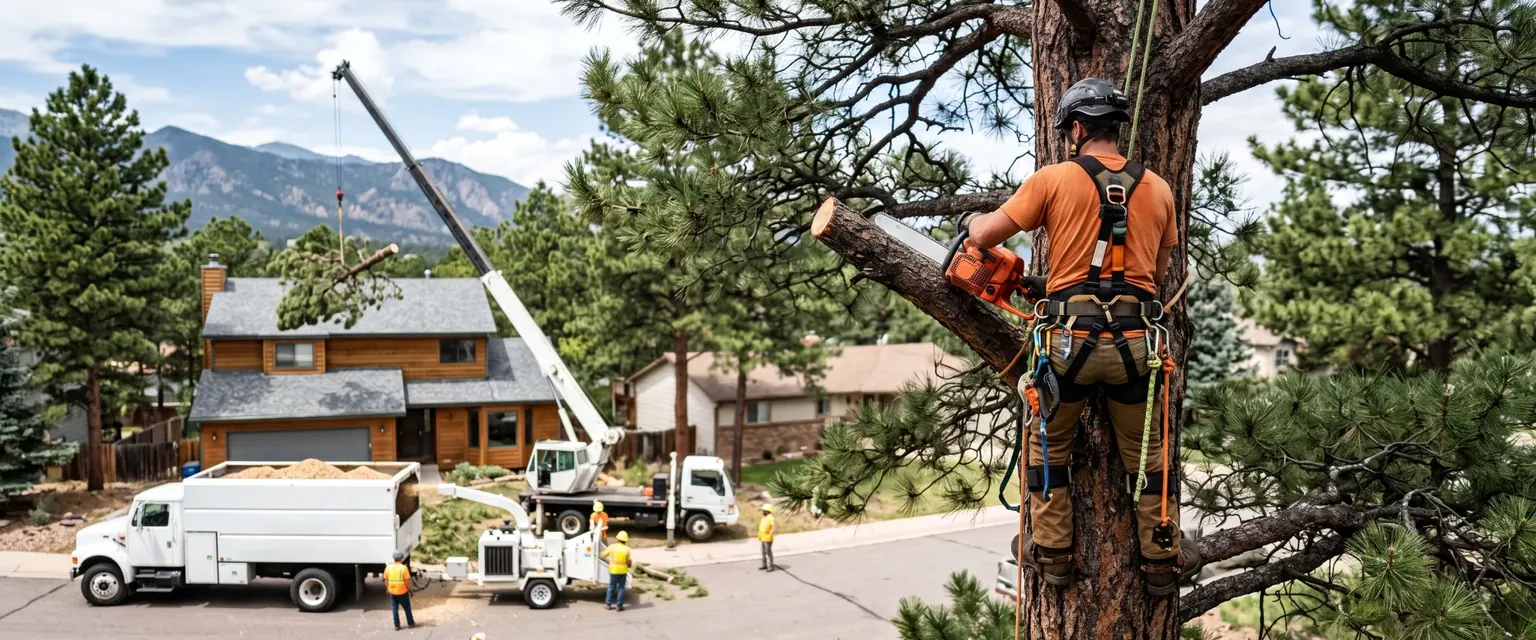
Tree work is the landscaping trade carriers are most careful with, and the one landscapers most often do without telling anyone. Here's what a Colorado tree service policy has to cover, and why the honest answer starts with whether a carrier will write it at all. Tree Service insurance -
 EXCAVATION TRADE
Dump Truck and Aggregate Hauling
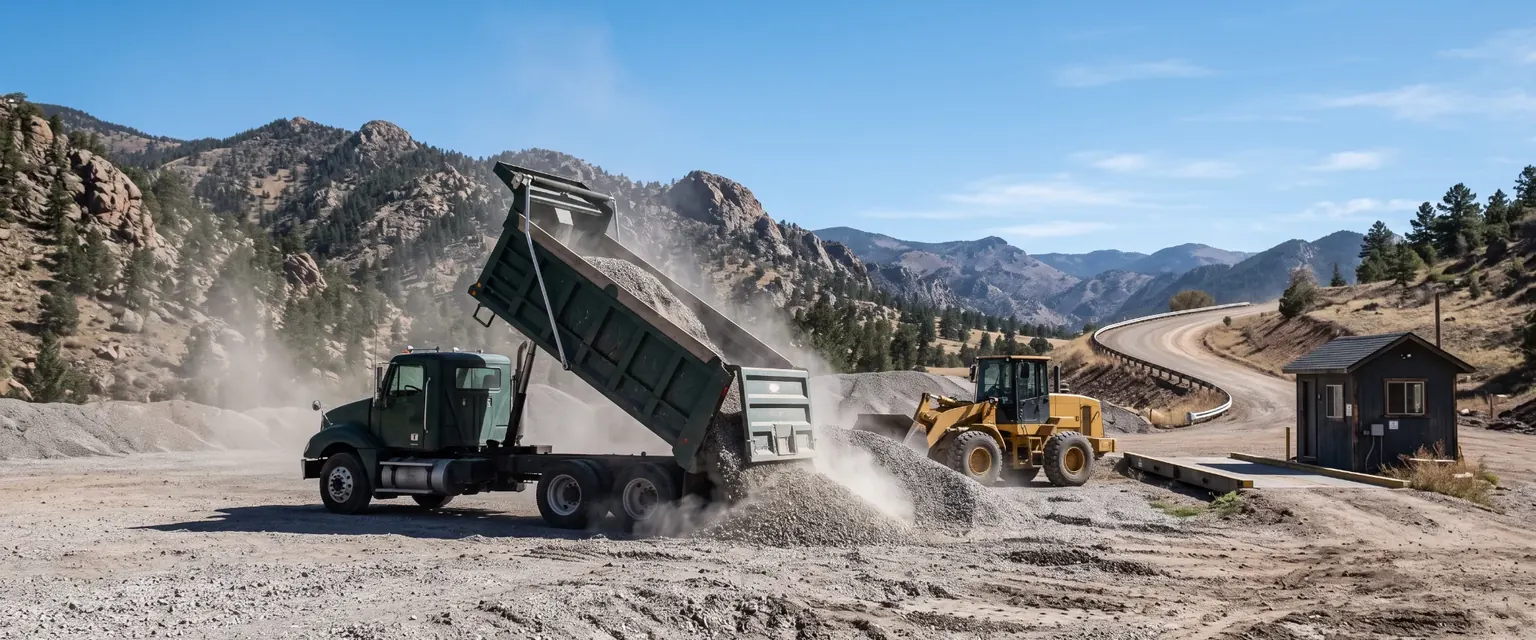
A loaded Mack dump truck is the most expensive thing most dirt outfits put on a public road. Whether it hauls your own material or someone else's for a fee changes the whole policy. Here's where that line sits in Colorado, and what the truck, the load, and the driver each need. Dump Truck and Aggregate Hauling insurance -
 SNOW TRADE
Commercial Snow and Ice Management
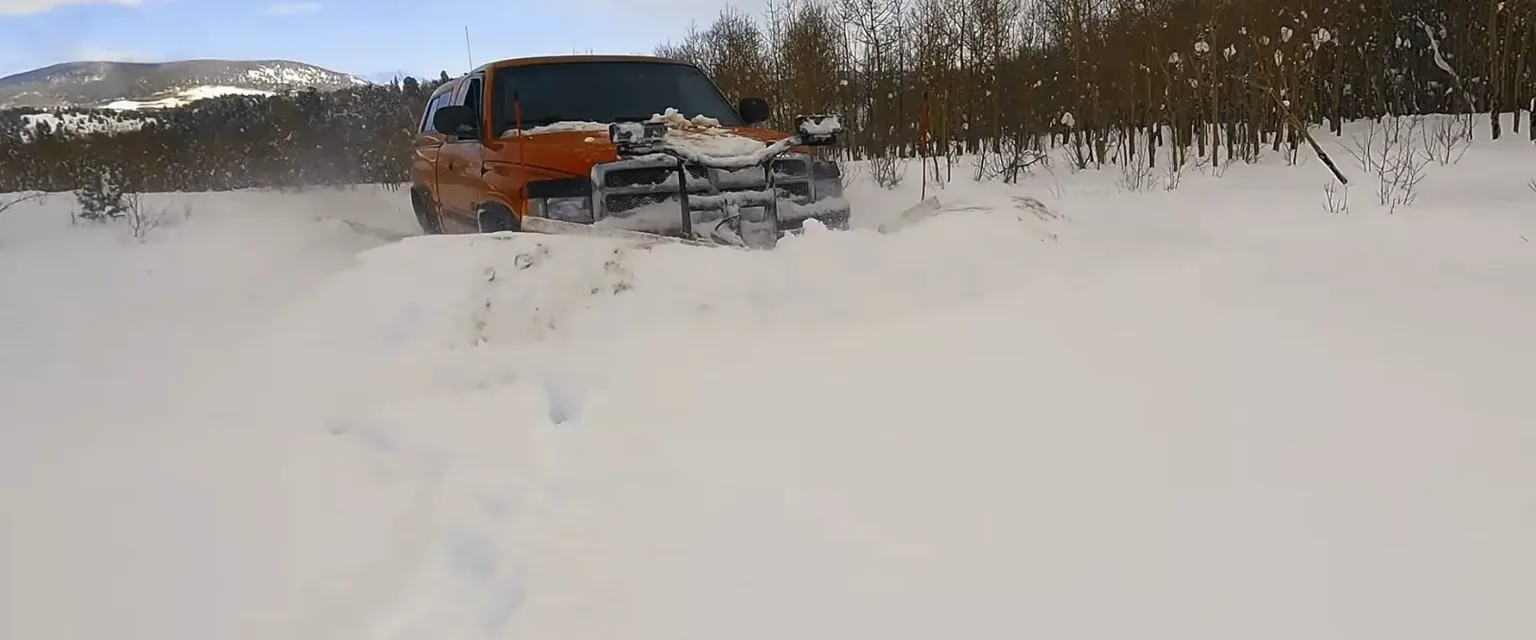
Commercial snow is a contract business first and a plowing business second. The lot, the log, and the indemnity clause decide the claim. Here's what a Colorado commercial snow and ice policy has to do, from an agency that runs a pusher box on commercial lots above 9,000 feet. Commercial Snow and Ice Management insurance