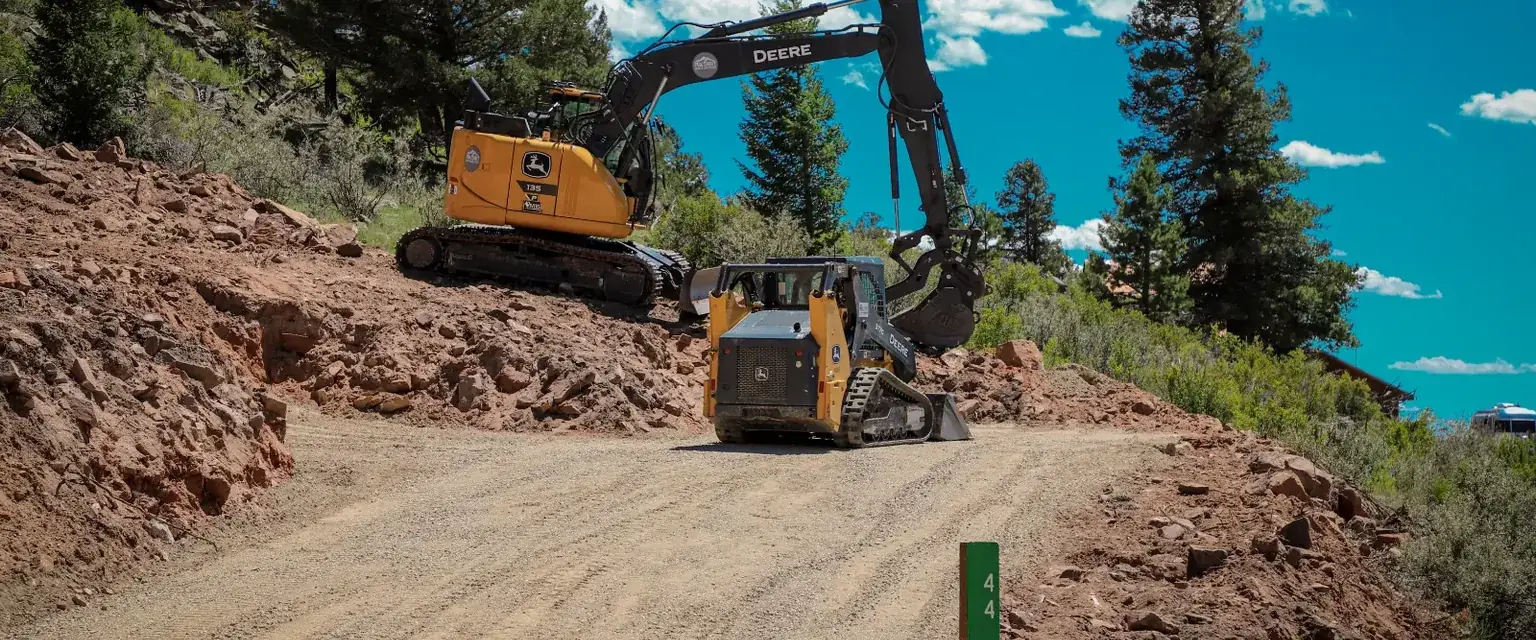
EXCAVATION
Excavation Insurance in Colorado, from Someone Who Digs
Locate strikes, trench walls, haul trucks, and a $180,000 machine parked on a lot above 9,000 feet. Here's what your policy has to do on a Colorado dig, and where the standard forms fall short.
Trades we write
The excavation trades, one page each.
Each one covers the exposures that produce claims in that trade, the coverage stack we would build, and the Colorado rules that apply.
-
 EXCAVATION TRADE
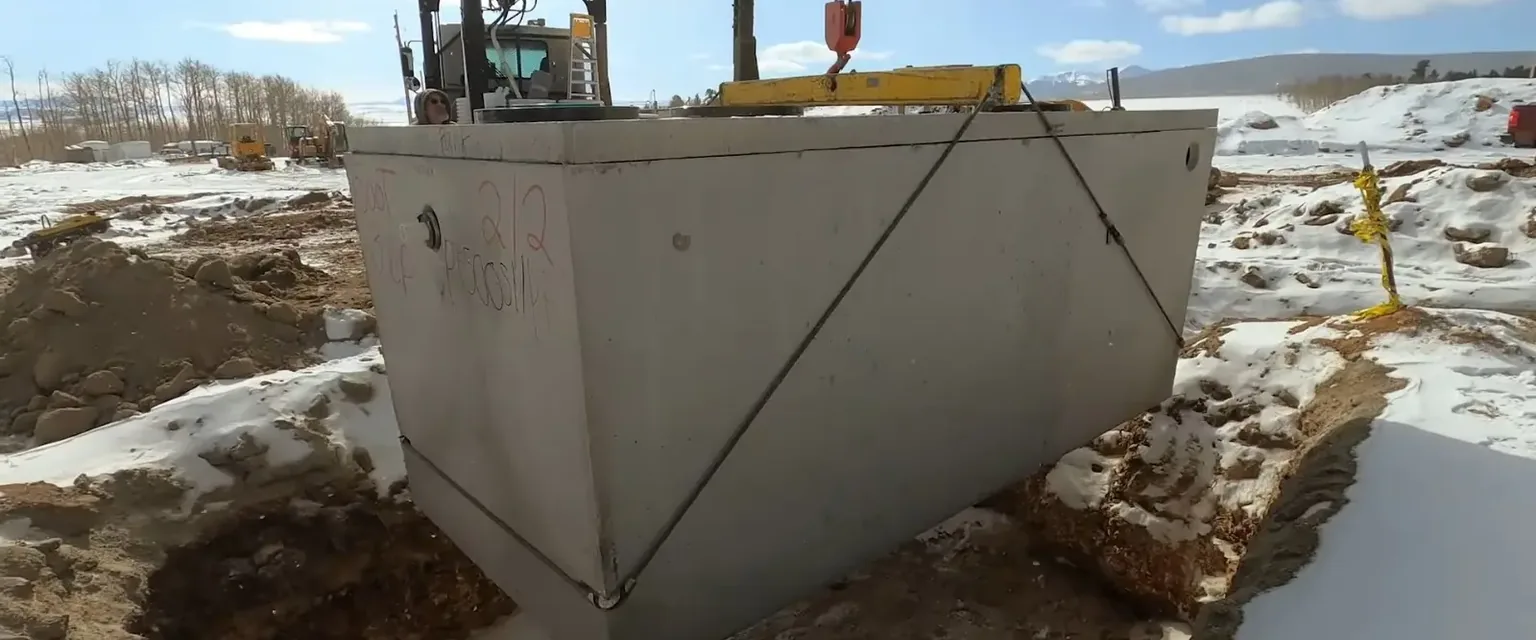
Septic Installer
The tank is in, the county signed off, and the customer paid. Your exposure on that system runs for years after that. Septic Installer insurance -
 EXCAVATION TRADE
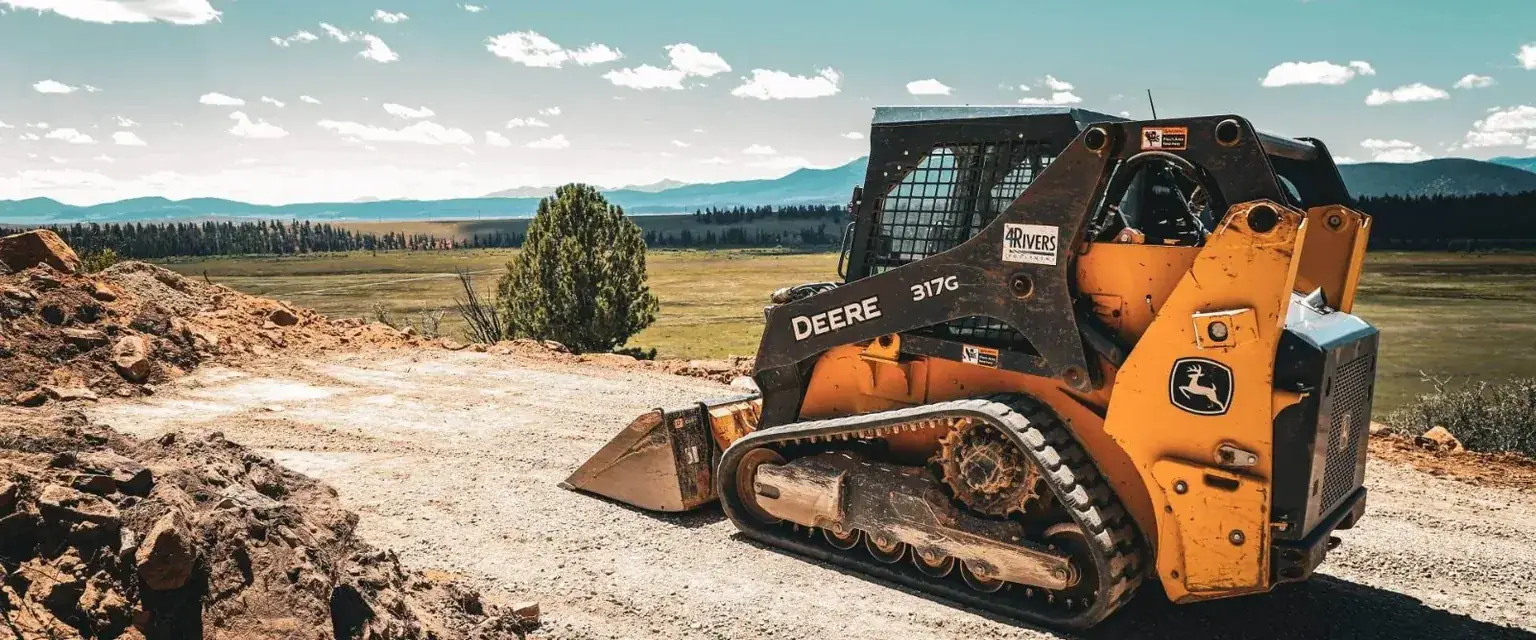
Grading and Site Prep
A pad that drains the wrong way, a wall that bulges after a wet spring, silt in the neighbor's yard after a July storm. Grading and Site Prep insurance -
 EXCAVATION TRADE
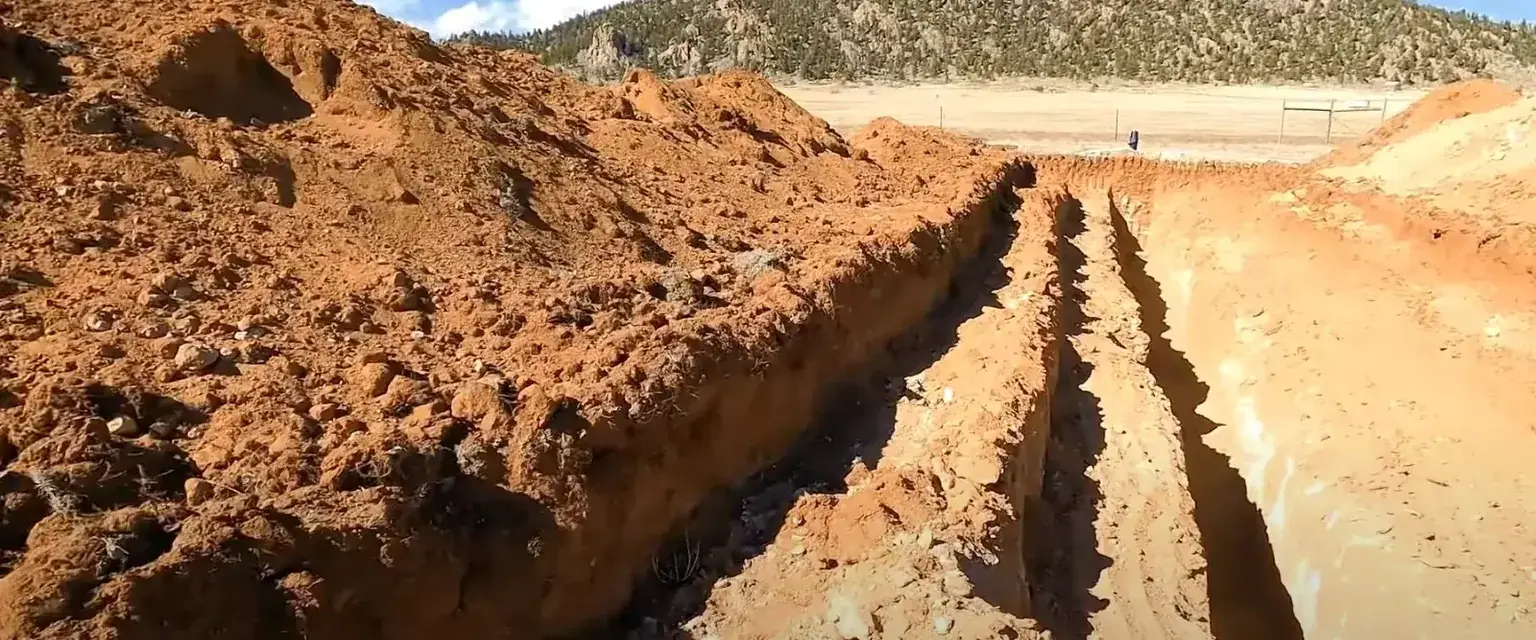
Utility Trenching
You hit a gas line. Here's who pays, and what your policy has to say for the carrier to be in the conversation. Utility Trenching insurance -
 EXCAVATION TRADE
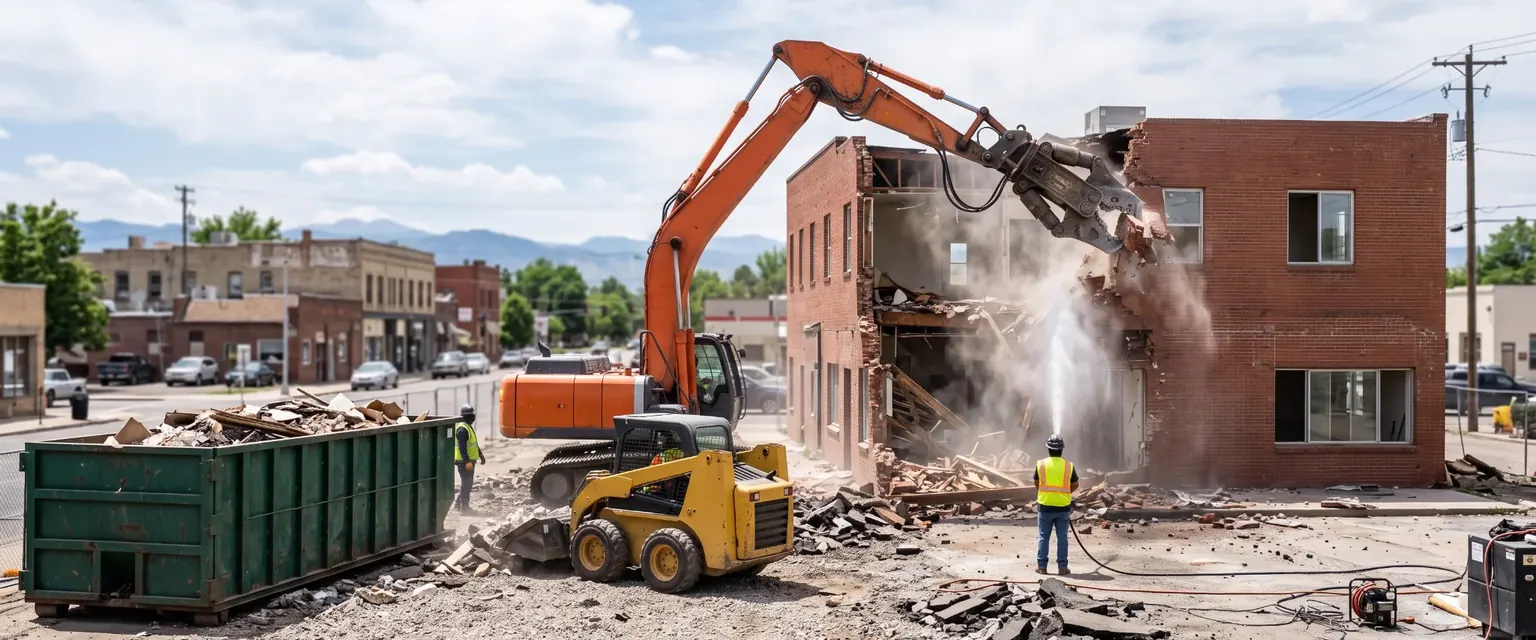
Demolition Contractor
Demolition is excavation with the building still in the way. Demolition Contractor insurance -
 EXCAVATION TRADE
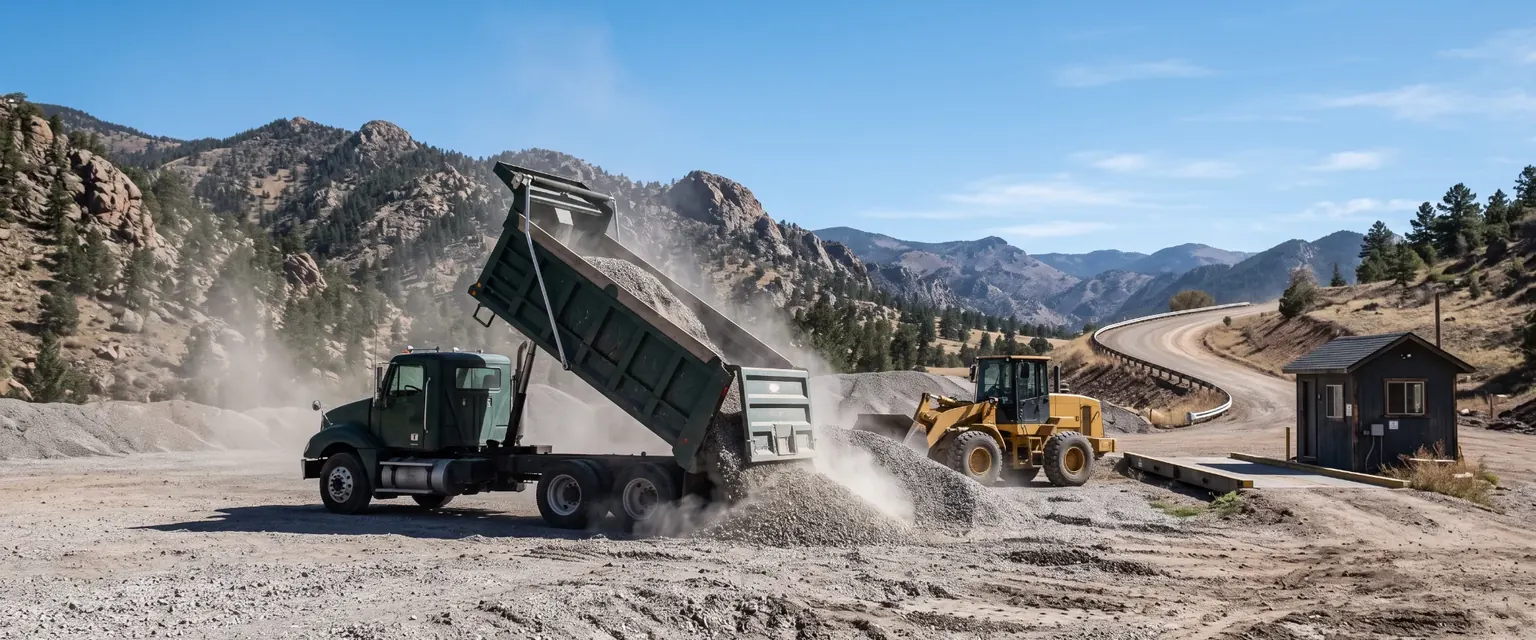
Dump Truck and Aggregate Hauling
A loaded Mack dump truck is the most expensive thing most dirt outfits put on a public road. Dump Truck and Aggregate Hauling insurance -
 EXCAVATION TRADE
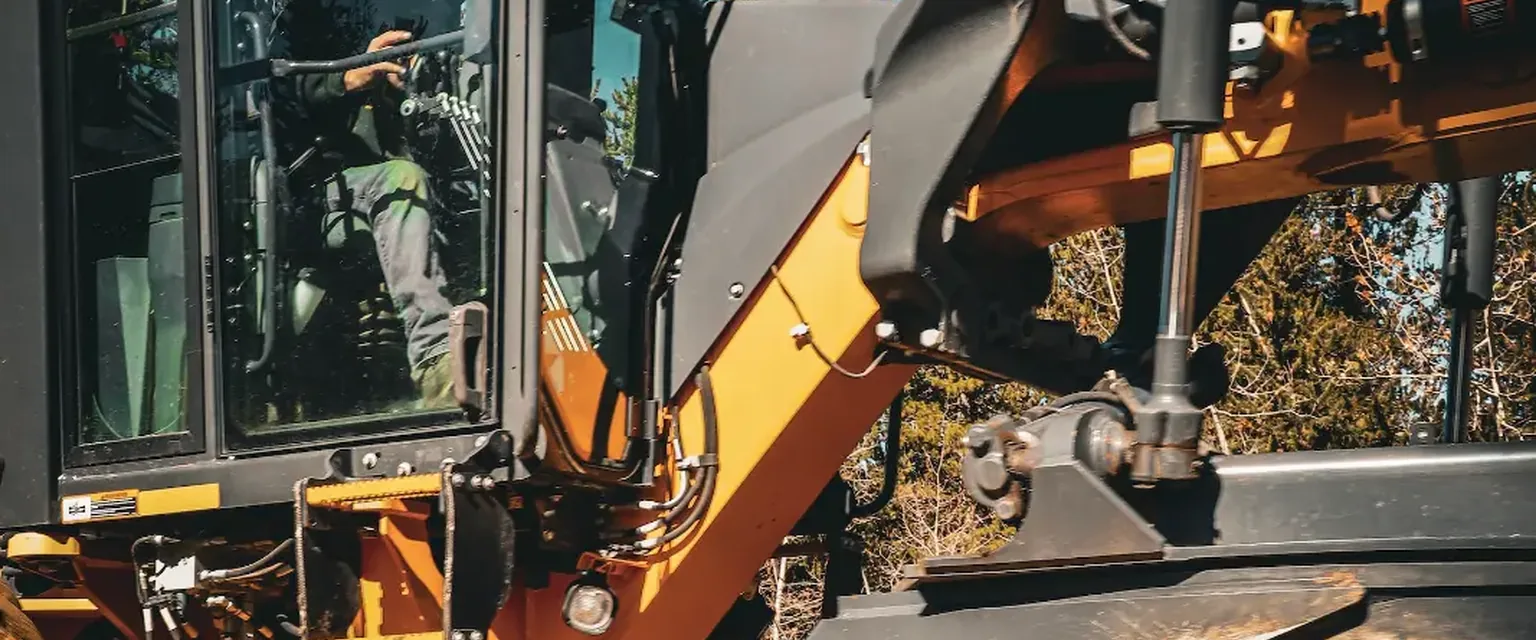
Land Clearing and Forestry Mulching
A tracked forestry mulcher is a diesel engine and a spinning drum in a stand of dry lodgepole. Land Clearing and Forestry Mulching insurance
In our experience, a lot of excavation policies in Colorado were sold by someone who had never seen a trench box. That’s not a knock on them. It’s the wrong person for the job, and it shows up in the same three places every time: a GL form with an XCU exclusion, a dump truck on a personal auto policy, and an excavator scheduled at a number from three purchases ago.
We run dirt in Park County. Driveways, septic, road grading, utility trenches, land clearing, above 9,000 feet most of the year. So we read excavation policies the way you’d read a set of plans, looking for what’s missing before the machine unloads. This page walks through what an underwriter sees, what actually produces claims for dirt contractors here, the stack we’d build, and the Colorado rules that change how a claim plays out. If you already have a policy, the short version is to send us your dec pages and let us mark them up.
What your operation actually looks like to an underwriter
Two things to know about how excavation gets rated: the class and the picture.
The class is the easy part. Excavation sits in a higher-hazard general liability class than most trades, because the work involves the three things GL underwriters worry about most: things underground, things that can collapse, and heavy iron moving near people. Nothing on the application changes that. What you can change is the picture.
The picture is built from your answers. Equipment list with values. Payroll split by what the crew actually does (operating, laboring, driving, office). Residential versus commercial percentage. Typical dig depth. Whether you touch utilities, and which ones. Whether you haul for other people. Radius. Subcontractor use, and whether you collect their certificates. Loss runs. And the insurance section of the contracts you sign.
Here’s what Colorado adds. Elevation makes everything slower and harder on equipment, which underwriters read as more hours per job and more transit. Remote lots mean machines sit overnight where nobody is watching. Wildland-urban interface work puts a diesel excavator in dry grass in August. Hauling from a pit in South Park to a job in Fairplay puts trucks on US 285 in traffic. And the season is short above 9,000 feet, so a dirt outfit up here runs hard from May to October and then either plows snow or parks. The underwriter wants to know which.
The honest answer is that a good application takes an afternoon. It’s also the biggest thing you control. A vague application gets a vague quote with exclusions stapled to it. A specific one gets read by a human. That’s why we don’t quote online, and why Get Insured starts with a list of what to have ready.
The exposures that actually produce claims
In our experience, excavation claims in Colorado cluster around eight things. None are exotic.
- Utility strikes. A driveway job in Castle Rock sits through two weeks of rain, nobody re-checks the ticket, and the bucket finds a gas service line. This is the claim that defines the trade. The locate rules below decide who pays, and your GL form decides whether the carrier is in the conversation at all.
- Trench collapse. A utility trench in expansive clay on the Front Range looks stable right up until it doesn’t. A worker in the trench is a workers’ compensation claim. A neighbor’s fence, a parked truck, or a utility line in the sidewall is a GL claim. Both at once is normal.
- Damage to what you’re working next to. Undermining a foundation, cracking a neighbor’s driveway with a loaded haul truck, dropping a boulder through a retaining wall. Third-party property damage, and usually a fight over whether it was your work or a pre-existing condition.
- Haul truck accidents. A Mack dump truck loaded with road base coming down Crow Hill on US 285, brakes hot, rear-ends a car at the light. Commercial auto, and if the truck was hauling for someone else for a fee, the for-hire rules come into it.
- Equipment theft, rollover, and fire. A mini excavator walks off a lot outside Fairplay on a Sunday night. An 84” Bomag slides off a wet cut. A tracked machine catches grass on fire during mulching. All inland marine, not GL, and the scheduled value decides what you get back.
- Completed operations. A septic system in bentonite near Bailey fails eighteen months after you closed the trench. The claim lands on your GL completed-operations coverage, if the policy still exists and the pollution exclusion doesn’t swallow it.
- Pollution. A hydraulic hose lets go and drains into a creek. A transfer tank tips over on a delivery. Under most standard GL forms these are excluded, which is why a separate pollution liability policy is on the list for anyone doing utility, septic, or public work.
- Erosion and stormwater. A graded site washes onto the neighbor’s lot after a July thunderstorm, and the state stormwater program gets a complaint. Partly GL, partly a permit problem, partly a pollution question.
Things go wrong on every job. The point of the stack below is that each of these lands on a policy written to catch it.
The coverage stack we’d build
| Coverage | Why | Typical contract requirement |
|---|---|---|
| General liability (no XCU exclusion) | Third-party injury and property damage on the job, including the underground, collapse, and explosion exposures that define dirt work. | $1M per occurrence / $2M aggregate, additional insured, primary and non-contributory |
| Commercial auto | Dump trucks, service trucks, lowboys, and anything with a plate on it. Personal auto forms commonly exclude business use. | $1M combined single limit; hired and non-owned; MCS-90 if you haul for hire |
| Contractors equipment (inland marine) | Excavators, dozers, skid steers, compactors, attachments. Theft, rollover, fire, and transit. GL typically does not cover your own equipment. | Rarely required by contract; required by your lender and by common sense |
| Workers’ compensation | Trench and equipment injuries. Colorado requires it at the first employee, seasonal or family included. | Statutory limits; employer’s liability commonly $500K / $500K / $500K; waiver of subrogation |
| Umbrella / excess liability | Stacks on top of GL, auto, and employer’s liability for the utility strike or haul-truck accident that blows past $1M. | $2M to $5M on municipal, CDOT, and larger GC work; not usually required on residential |
| Contractors pollution liability | Fuel and hydraulic spills, disturbed soil contamination, failed septic systems. The GL pollution exclusion is broad on dirt work. | $1M per condition on utility, septic, and public work; usually optional on residential driveway work |
| Bonds | License and permit bonds by municipality, right-of-way bonds for CDOT and county work, performance and payment bonds on public jobs. | Set by the permit or the bid documents; surety, not insurance |
| Builders risk / installation floater | Materials and work in progress on site, such as pipe, base, and a retaining wall that is half built when hail arrives. | Sometimes required on commercial site work; often carried by the owner or GC instead |
A word on the XCU line, because it’s the one that bites. Some GL forms carry an exclusion for explosion, collapse, and underground property damage. On a roofer’s policy that costs nothing. On an excavator’s policy it removes the trench, the utility line, and the foundation next door, which is most of what you do. We want every excavation GL policy we place written without it, and we read the endorsements to confirm. What’s still covered on a clean form: the injury, the property damage, and the defense, subject to the limits and the policy language. What’s still excluded even then: your own work product, your own equipment, and pollution. That’s what the other lines in the table are for.
Colorado law and licensing notes for excavators
Most of what makes an excavation claim go sideways in Colorado is written down. Here’s what contractors get wrong, with the statute attached.
The locate rule. Colorado law requires notice to Colorado 811 at least two business days before excavating, not counting the day you call (C.R.S. 9-1.5-103(3)(b)); Colorado 811 phrases the same window as three full business days, so a Monday call means a Thursday dig. (C.R.S. 9-1.5-103(3)(b)) Two business days, not counting the day you call. Colorado 811 says three because it counts differently, and the difference matters when you’re scheduling a Monday dig.
How long the marks are good for. Locate markings stay valid while clearly visible, but for no more than thirty calendar days after the locate request due date (C.R.S. 9-1.5-103). (C.R.S. 9-1.5-103) Rain, hail, and a week of traffic can erase paint well before thirty days. If you can’t see the marks, re-call. It costs a day. The alternative costs more.
The fines. SB 18-167 (2018) created the Underground Damage Prevention Safety Commission (C.R.S. 9-1.5-104.2), whose maximum fines under C.R.S. 9-1.5-104.4(3) run from $250 for a first minor violation to $75,000 for a fourth or later major violation within twelve months. (C.R.S. 9-1.5-104.2; 9-1.5-104.4(3); SB 18-167) Those are administrative fines, and fines are not insurable under most standard forms. They come out of your pocket.
The civil side. Separately from commission fines, C.R.S. 9-1.5-104.5 lets an owner, operator, excavator, aggrieved party, district attorney, or the attorney general sue for civil penalties: $200 for excavating without notice, and $5,000 for a first offense (up to $25,000 for later ones, and up to $75,000 after more than three in twelve months) when that failure damages a facility. (C.R.S. 9-1.5-104.5(2)(b), (2)(c), (3)) This is separate from the commission and separate from the repair bill.
Presumed liability. Under C.R.S. 9-1.5-104.5(2)(d), a contractor who damages an underground facility after failing to notify Colorado 811, or failing to use reasonable care, is presumed liable for the owner's repair or replacement costs, litigation costs and attorney fees, and any resulting injury or property damage. (C.R.S. 9-1.5-104.5(2)(d)) Read that twice. Dig without a valid ticket and hit something, and the law starts from the assumption that it’s on you. The presumption can be rebutted, but you’re the one rebutting it, and your GL carrier will want to know why there was no ticket. The mirror rule helps you too: if the utility owner failed to mark with reasonable care after a valid notice, the presumption flips to them.
Colorado Springs. Colorado Springs City Code § 12.10.104 requires anyone planning an excavation to identify the dig area when calling 811, by pre-marking it with white paint, flags, or stakes, or by providing an electronic map or aerial delineation; utility owners may decline to locate until an unclear area is pre-marked. (Colorado Springs City Code §§ 12.10.101, 12.10.104, 12.10.106 (Ord. 20-70; Ord. 24-09)) Other cities have their own ordinances. Ask before you assume the state rule is the only rule.
Stormwater. Construction that disturbs one acre or more, or is part of a larger common plan of development or sale that will disturb one acre or more, needs coverage under CDPHE's COR400000 Construction Stormwater General Permit (or a CDPHE-qualified local program for sites between one and five acres). (CDPS General Permit COR400000 (effective April 1, 2024)) On a big grading job, the permit and the erosion-control plan are part of the risk picture, and an underwriter who sees site work over an acre will ask about them.
CDOT right-of-way. CDOT utility and special-use permits for work in state highway right-of-way require commercial general liability of $1,000,000 per occurrence and $2,000,000 aggregate and $1,000,000 auto liability, with CDOT named as additional insured and certificates furnished before work starts; access-permit projects may also require a performance bond. (CDOT Form 1233 (Utility Permit) and Form 1283 (Special Use Permit); 2 CCR 601-18 § 2.2.2) [VERIFY] That’s the template most public agencies copy, which is why $1M/$2M with the agency as additional insured shows up on county and municipal work too.
Septic. Colorado's OWTS Act (C.R.S. 25-10-109) and Regulation 43 (5 CCR 1002-43 § 43.4.K) let each local board of health license septic "systems contractors," and working without that license where a county has adopted licensing rules is a violation, so installers must hold whatever license the local public health agency requires. (C.R.S. 25-10-109(1); 5 CCR 1002-43 §§ 43.3, 43.4.K, 43.4.Q) In practice that’s most counties. Call the county health department, not the state. The septic installer page goes deeper.
Workers’ comp. Colorado employers must carry workers' compensation insurance as soon as they have one or more employees, whether part-time, full-time, or family members (C.R.S. 8-40-203(1)(b), 8-44-101); the state can fine an uninsured employer up to $500 for every day without coverage. (C.R.S. 8-40-203(1)(b); 8-44-101; 8-43-409) Seasonal help counts. The law doesn’t say “seasonal.” It says “employees.”
Class codes. Landscaping contractors are typically rated under NCCI code 0042 (Landscape Gardening & Drivers; lawn maintenance under 9102), excavation under 6217 (Excavation & Drivers), tree work under 0106 (Tree Pruning), and stand-alone snow-clearing under 9402 (Street Cleaning & Drivers); the carrier makes the final assignment under NCCI rules. (NCCI Scopes Manual) [VERIFY] Excavation payroll under 6217 rates higher than clerical or driving payroll, so keep your payroll records split by what people actually do.
Auto minimums. Colorado requires minimum auto liability limits of $25,000 per person and $50,000 per accident for bodily injury and $15,000 per accident for property damage (C.R.S. 10-4-620; 42-7-103(14)(a)), unchanged as of 2026; commercial contracts commonly ask for $1,000,000 combined single limit instead. (C.R.S. 10-4-620; 42-7-103(14)(a)) The state minimum keeps you legal. It does not insure a loaded dump truck the way a GC contract expects.
Trades we write under excavation
Excavation is a family of trades that each rate a little differently and carry one exposure the others don’t. Each has its own page.
- Septic installers: OWTS permits, the completed-operations tail, and pollution from a failed drain field.
- Grading and site prep: erosion control, engineered fill, water intrusion claims from a lot that drains the wrong way.
- Utility trenching: 811 strikes, fiber and gas, trench protective systems, and working inside CDOT right-of-way.
- Demolition contractors: asbestos, debris hauling, and damage to the building next door.
- Dump truck and aggregate hauling: where commercial auto turns into for-hire trucking, cargo, and MCS-90.
- Land clearing and forestry mulching: fire risk, WUI defensible-space contracts, and equipment fire coverage.
If you also run a landscape crew or push snow in winter, read the landscaping hub and the snow plow hub too. Plenty of dirt outfits do all three, and the policy has to know about all three. Not sure which bucket you’re in? Who we serve sorts it out.
What drives the cost
No premium figures on this site, on purpose. The only accurate number is a quote built on your operation. What moves it, in roughly the order underwriters weigh it:
- Payroll and class codes. Excavation payroll is the biggest lever on both GL and workers’ comp. How it splits between operators, laborers, drivers, and office matters.
- Equipment values. The scheduled value of the iron sets the inland marine premium; age and type set the rate. A big excavator and a mini skid steer don’t rate the same.
- Type of work. Utility, septic, and demolition rate higher than driveways and grading. Depth, proximity to structures, and public versus private work all feed in.
- Vehicles and drivers. Number of trucks, gross vehicle weight, radius, driver motor vehicle records, and whether any of it is for-hire.
- Contracts. Higher required limits, additional insured endorsements, and umbrella requirements add cost. So does indemnifying the owner for their own negligence.
- Loss history. A utility strike with a valid ticket reads differently from one without.
- Subcontractor use. Uninsured subs become your claim. Certificates on file for every sub change how the underwriter sees you and how the audit goes.
- Territory and season. Where the machines park, how remote the lots are, wildfire exposure, and whether you run year-round or shut down at the first snow.
Loss history and class codes you can’t change this year. Everything else, you can. Our FAQ has more on audits and how the equipment schedule affects a claim.
Where to go from here
Starting from nothing? Get Insured lists what to have ready and how the conversation goes. Already have a policy? The policy review is faster. Send us the dec pages and we’ll show you where the XCU exclusion, the auto gap, or the equipment schedule is going to cost you. No online quote. Coverage for dirt work has to be built around your operation, and that takes a conversation.
Serving businesses located in Colorado. Coverage is determined by the policy language and the carrier.
Coverage
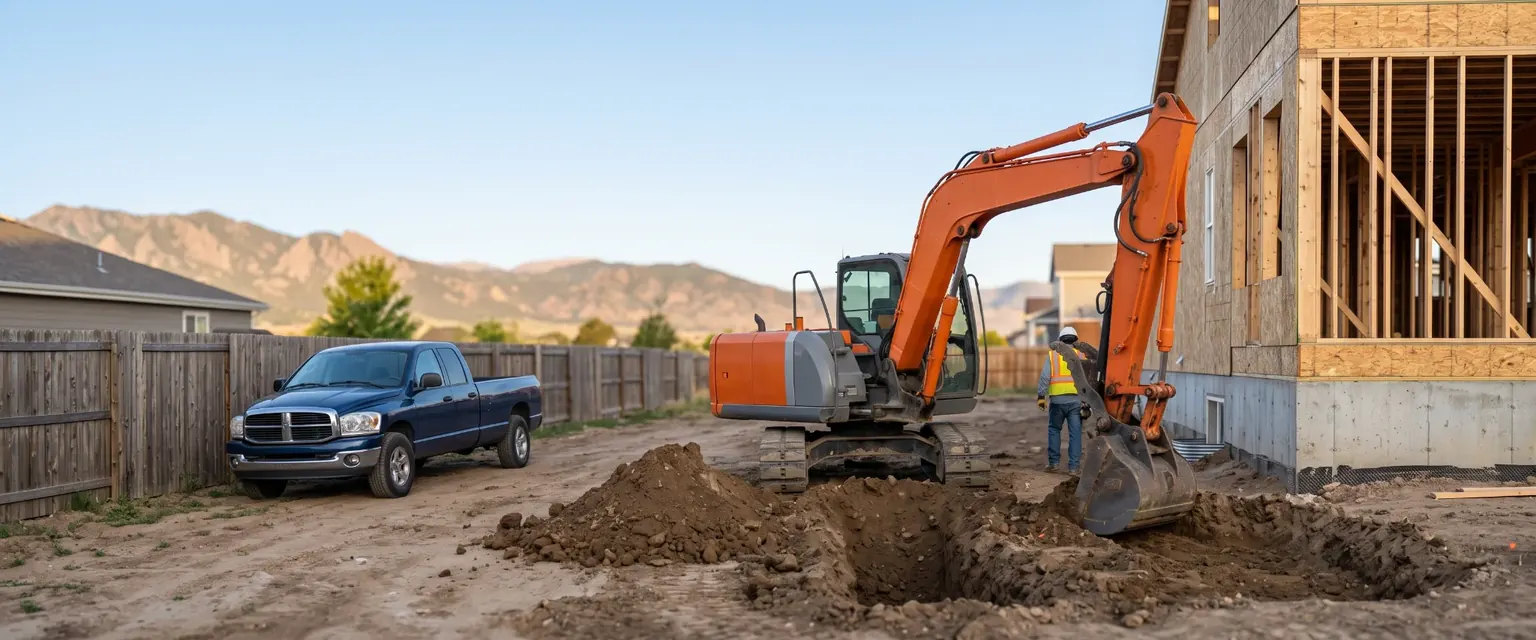
The three coverages that do the most work for excavation.
-
 Coverage
General liability
Pays when your work hurts someone else or their property. The one every GC asks about first. General liability explained -
 Coverage
Commercial auto
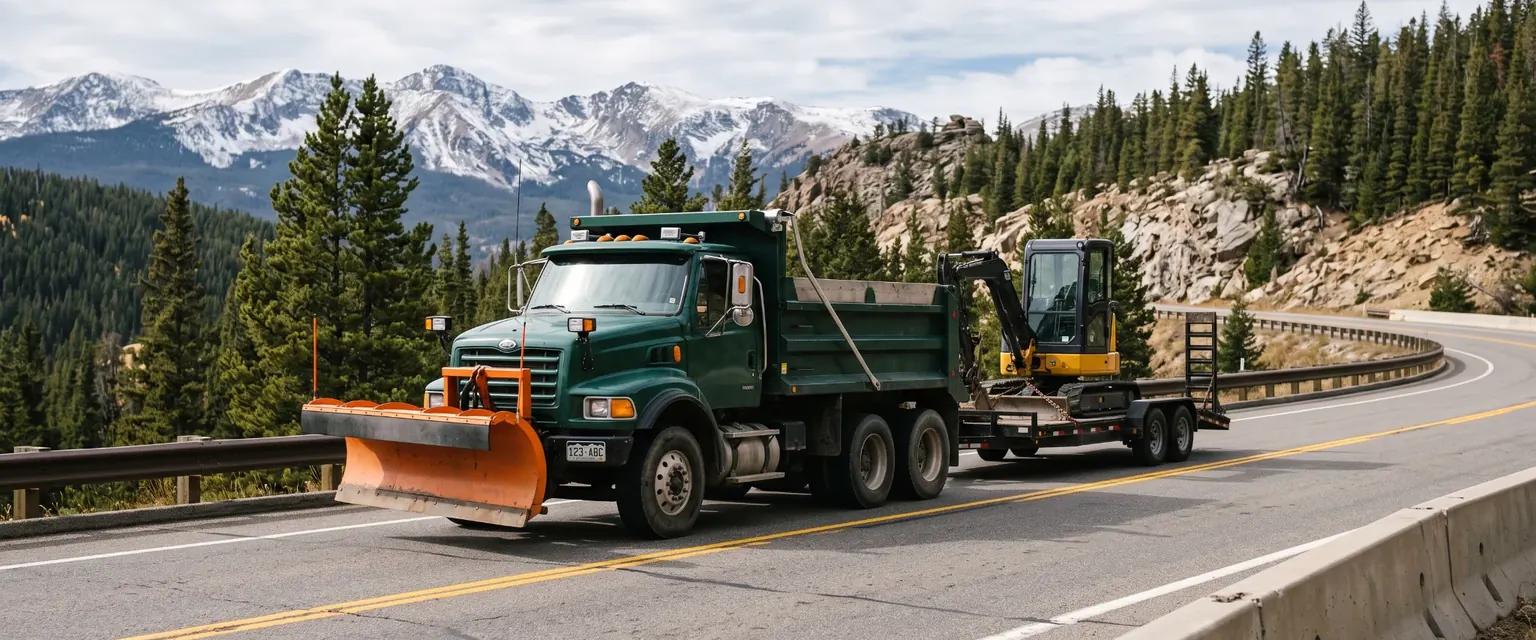
Covers the dump truck, the plow truck, and the crew pickup on the road. Personal auto typically won't. Commercial auto explained -
 Coverage
Contractor's equipment (inland marine)
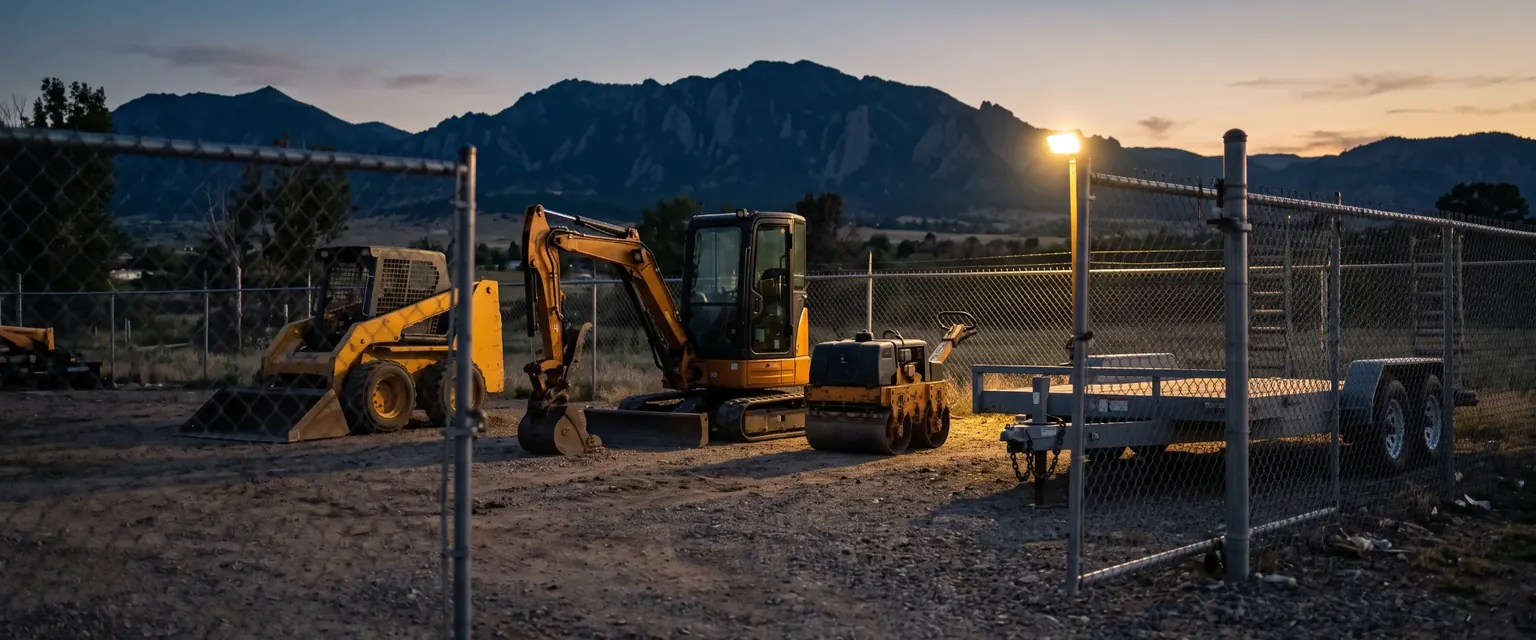
Insures your own iron: theft, rollover, fire, transit. Pays what you scheduled, so the schedule matters. Contractor's equipment (inland marine) explained
Resources
Read before you sign.
- Contracts and COIs · 8 min read
Additional insured vs certificate holder: the two-paragraph version
A certificate holder gets a piece of paper. An additional insured gets a piece of your policy. The two-paragraph version, then what goes wrong at claim time. Read the article -
 Colorado law · 8 min read
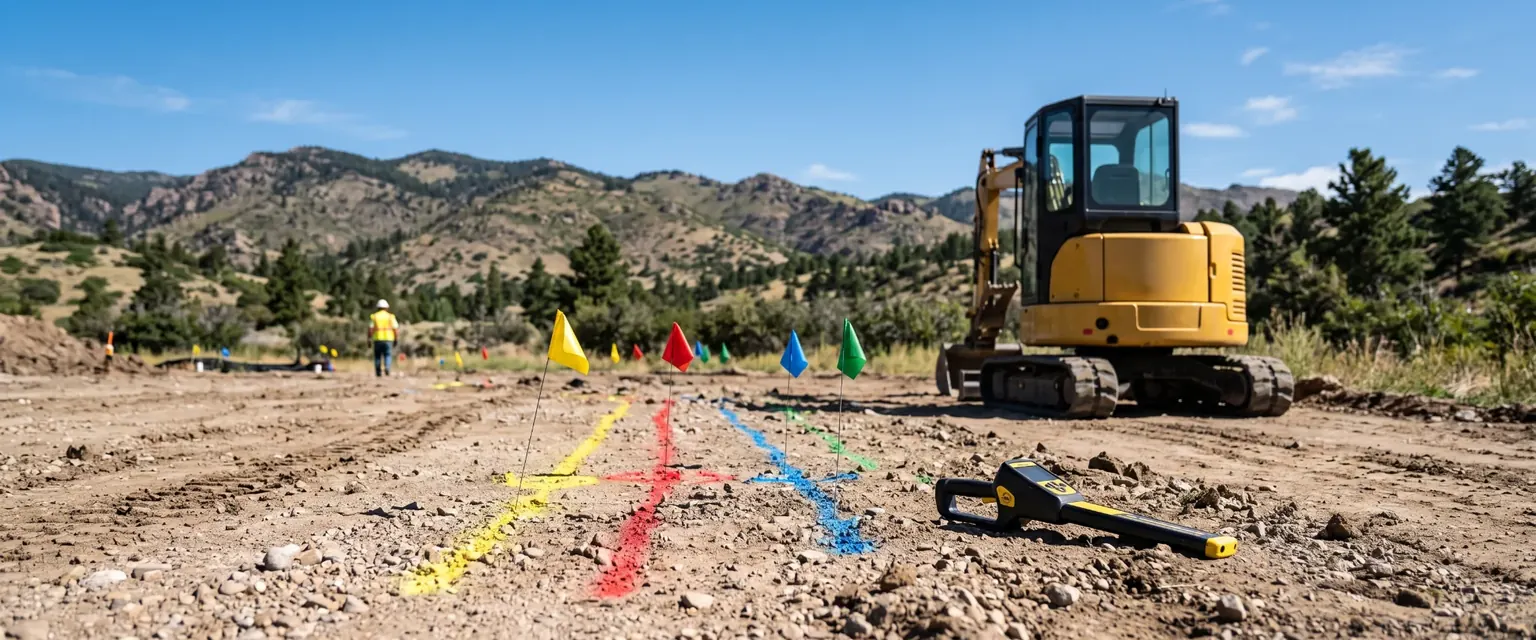
 Colorado 811: the two-business-day rule, the fines, and the part contractors get wrong
Colorado 811 for contractors: the statute says two business days, 811 says three, marks last 30 days, fines run $250 to $75,000. The part people get wrong. Read the article - Coverage explained · 8 min read
Workers comp in Colorado starts at one employee. Seasonal counts.
Colorado requires workers comp the day you hire your first employee, part-time or seasonal, family or not. The statute, the fine, and what a small outfit does. Read the article
Does my general liability policy cover hitting a gas or fiber line?
What is XCU and why does it matter for an excavator?
Is my excavator covered under general liability?
Do I need commercial auto for one dump truck?
I only have one part-time helper. Do I need workers' comp in Colorado?
What do you need from me to quote excavation coverage?
Statutes and numbers on this page last verified September 2, 2026 by a licensed Colorado producer. How we verify.