COVERAGE
General Liability for Colorado Contractors
Your bucket finds a gas service. A retaining wall block rolls into the customer's car. Someone slips on a lot you plowed at 4 a.m. General liability is the policy that answers for it, if the form was written for your trade.
General liability
What it typically does, and what it does not.
What it typically does
- Bodily injury and property damage you cause to other people during the job
- The same damage after the job is done and paid for (completed operations)
- Defense costs when a claim turns into a lawsuit, under most standard forms outside the limit
- Underground, collapse, and explosion damage, but only on a form with no XCU exclusion
- Liability you take on in a contract, within the form's definition of an insured contract
- Damage from mobile equipment like an excavator or skid steer while it is working, not driving on the road
What it does not do
- Explosion, collapse, and underground damage is excluded on some forms; that is what a GL policy written without the XCU exclusion is for
- Your own equipment is excluded; that is what contractors equipment (inland marine) is for
- Injuries to your own employees are excluded; that is what workers' compensation is for
- Trucks on the road are excluded; that is what commercial auto is for
- Fuel spills, hydraulic leaks, and herbicide drift are excluded under most forms; that is what pollution liability is for
- Redoing your own defective work is excluded; that is your warranty, and the policy covers the damage the work did to other property
Who needs it
- Every excavation, landscaping, and snow contractor who works on someone else's property
- Owner-operators, because the person holding the contract is the person who gets sued
- Anyone subbing for a GC, holding a CDOT or municipal permit, or signing an HOA contract
Descriptions say what a coverage typically does; your policy form controls.
General liability is the policy every GC, HOA, and municipality asks about first, and it’s the one most likely to have a hole in it that nobody mentioned at the sale. On a dirt outfit the hole has three letters. On a landscape or snow outfit it’s usually a contract clause the policy was never endorsed to match. Here’s what a GL policy typically does on a Colorado job, what it doesn’t, and what to look for on your own dec page before a GC does.
What general liability does on your job
Start with the claim, not the definition. A utility trenching crew in Castle Rock is opening a service line in expansive clay. The 811 ticket is valid, the marks are visible, and the bucket still clips a gas service that was never marked. The line gets repaired, the street closes for a day, and the neighbor’s furnace is down for a week. That’s bodily injury and property damage to people who aren’t you, caused by your operations. Under most standard forms, that is exactly what general liability responds to: the repair, the neighbor’s damage, and the lawyer if it turns into a suit.
Same policy, different trade. A hardscape crew sets a paver patio in Lakewood and a wall block rolls into the customer’s car. A plow truck with a Western blade catches a curb and the chunk goes through a storefront window. A mower throws a rock into a windshield on a lawn route in Aurora. All third-party damage. All GL, subject to the limits and the policy language.
Two things to keep separate in your head: ongoing operations and completed operations. Ongoing is the job while you’re on it. Completed is the same job after you’ve left and been paid, which is where a septic system in bentonite near Bailey that fails eighteen months later lands. Most contracts ask for both. Some carriers price them separately. Check.
Defense is worth a question too. Under most standard forms the lawyer’s bill is paid outside the limit. Some forms put it inside. The policy language controls.
What it does not do
- Explosion, collapse, and underground (XCU). Some GL forms carry an exclusion for all three. If yours does, a trench sidewall failure, a foundation cracked next to your cut, or a struck water main is not covered. What is covered: the same claim on a form written without the exclusion. We won’t place an excavation GL with XCU excluded, and we read the endorsement schedule to confirm it isn’t there.
- Your own work. GL doesn’t rebuild a wall you built wrong. It covers the damage that wall did to the neighbor’s fence when it let go. Redoing your work is your warranty.
- Your own equipment. A mini excavator that walks off a lot in Fairplay is not a GL claim. That’s contractors equipment.
- Your employees. An operator hurt in a trench is excluded under most standard forms. That’s workers’ compensation.
- Vehicles on the road. A Mack dump truck rear-ending a car on US 285 falls under the auto exclusion. That’s commercial auto. The form draws the line between an auto and mobile equipment, and a plow truck is an auto.
- Pollution. The exclusion is broad under most forms. A hydraulic hose draining into a creek or herbicide drifting onto the neighbor’s roses is pollution liability.
- Fines. Commission fines for a locate violation are not insurable under most standard forms. What is covered is the damage the strike did, if the form is clean and the ticket was valid.
Who needs it
Anyone who puts a machine on someone else’s property. In practice that’s every contractor under our excavation, landscaping, and snow removal hubs, whether the work is a driveway above Bailey or an HOA in Highlands Ranch. Owner-operators too. A one-person outfit with a John Deere 772GP has the same exposure as a six-person crew, and the person who signed the contract is the one who gets sued. If you sub for a GC, they’ll require it before you unload. If you hold a CDOT or municipal permit, the permit requires it.
How it’s rated
No premium figures here, on purpose. What moves the number:
- Class and payroll. Excavation rates above hardscape, which rates above mowing. Payroll split by what people actually do.
- Type of work. Utility, septic, and demolition sit higher than driveways and sod.
- Subcontractor cost. Sub payments count, and whether you collect certificates changes how the underwriter sees it.
- Contract requirements. Blanket additional insured, primary and non-contributory, per-project aggregates. Each one is an endorsement with a price.
- Loss runs. A strike with a valid ticket reads differently from one without.
- Territory. Wildland-urban interface work, mountain lots, and how much of the year you run.
Colorado notes
Presumed liability on a strike. Under C.R.S. 9-1.5-104.5(2)(d), a contractor who damages an underground facility after failing to notify Colorado 811, or failing to use reasonable care, is presumed liable for the owner's repair or replacement costs, litigation costs and attorney fees, and any resulting injury or property damage. (C.R.S. 9-1.5-104.5(2)(d)) The presumption doesn’t void your policy. It does mean the carrier is paying a claim the law already assigned to you, and the carrier will ask why there was no ticket.
Fines are separate. SB 18-167 (2018) created the Underground Damage Prevention Safety Commission (C.R.S. 9-1.5-104.2), whose maximum fines under C.R.S. 9-1.5-104.4(3) run from $250 for a first minor violation to $75,000 for a fourth or later major violation within twelve months. (C.R.S. 9-1.5-104.2; 9-1.5-104.4(3); SB 18-167) Those come out of your pocket, not the policy. The repair and the neighbor’s damage are the GL claim.
Where $1M/$2M comes from. CDOT utility and special-use permits for work in state highway right-of-way require commercial general liability of $1,000,000 per occurrence and $2,000,000 aggregate and $1,000,000 auto liability, with CDOT named as additional insured and certificates furnished before work starts; access-permit projects may also require a performance bond. (CDOT Form 1233 (Utility Permit) and Form 1283 (Special Use Permit); 2 CCR 601-18 § 2.2.2) [VERIFY] That’s the template most counties, cities, and GCs copy, which is why the same numbers show up on a driveway sub-contract in Parker.
Snow contracts and indemnity. Colorado's Snow Removal Service Liability Limitation Act (C.R.S. 13-21-129, effective August 8, 2018) voids any snow-and-ice contract clause that requires one party to indemnify, hold harmless, or defend the other for the other party's own acts or omissions, but only where the service provider was prohibited, by the contract or in writing, from mitigating the specific snow or ice event at issue. (C.R.S. 13-21-129(3), (4); SB 18-062) If you plow in winter, the indemnity clause in your HOA contract may be asking for more than the law allows and more than your GL’s contractual liability coverage will pay. The commercial snow page goes deeper.
Contract language you’ll see
- “Additional insured, CG 20 10 and CG 20 37.” Two endorsement forms: ongoing operations and completed operations. The contract may specify an edition date. Older editions are broader, and some carriers won’t issue them.
- “Primary and non-contributory.” Your policy pays first and doesn’t ask the GC’s policy to chip in. An endorsement, not a default.
- “Waiver of subrogation.” Your carrier agrees not to chase the GC after paying your claim. Usually blanket, usually paired with the same request on your workers’ comp.
- “$1,000,000 per occurrence / $2,000,000 aggregate.” Sometimes with a per-project aggregate so one bad job doesn’t drain the year’s limit for the others.
- “Occurrence form.” Not claims-made. Claims-made GL is rare in the trades and creates a completed-operations gap the day you switch.
- “Thirty days’ notice of cancellation to the certificate holder.” The carrier’s form decides what notice it gives. We can’t promise what the form doesn’t. Our certificates page covers how those requests go out.
Where to go from here
If you already have a GL policy, the fastest move is a policy review. Send the dec pages and the endorsement schedule and we’ll mark the XCU line, the additional insured forms, and the contractual liability wording against the contracts you actually sign. Starting fresh? Get Insured lists what to have ready. Bidding bigger work? The umbrella sits on top of this policy, so read that page next.
Serving businesses located in Colorado. Coverage is determined by the policy language and the carrier.
Terms on this page: additional insured, aggregate, occurrence, xcu exclusion, completed operations, contractual liability, primary and non contributory, waiver of subrogation, certificate of insurance, insured contract. Full glossary.
Who carries it
Trades that carry this coverage.
-
 EXCAVATION TRADE
Utility Trenching
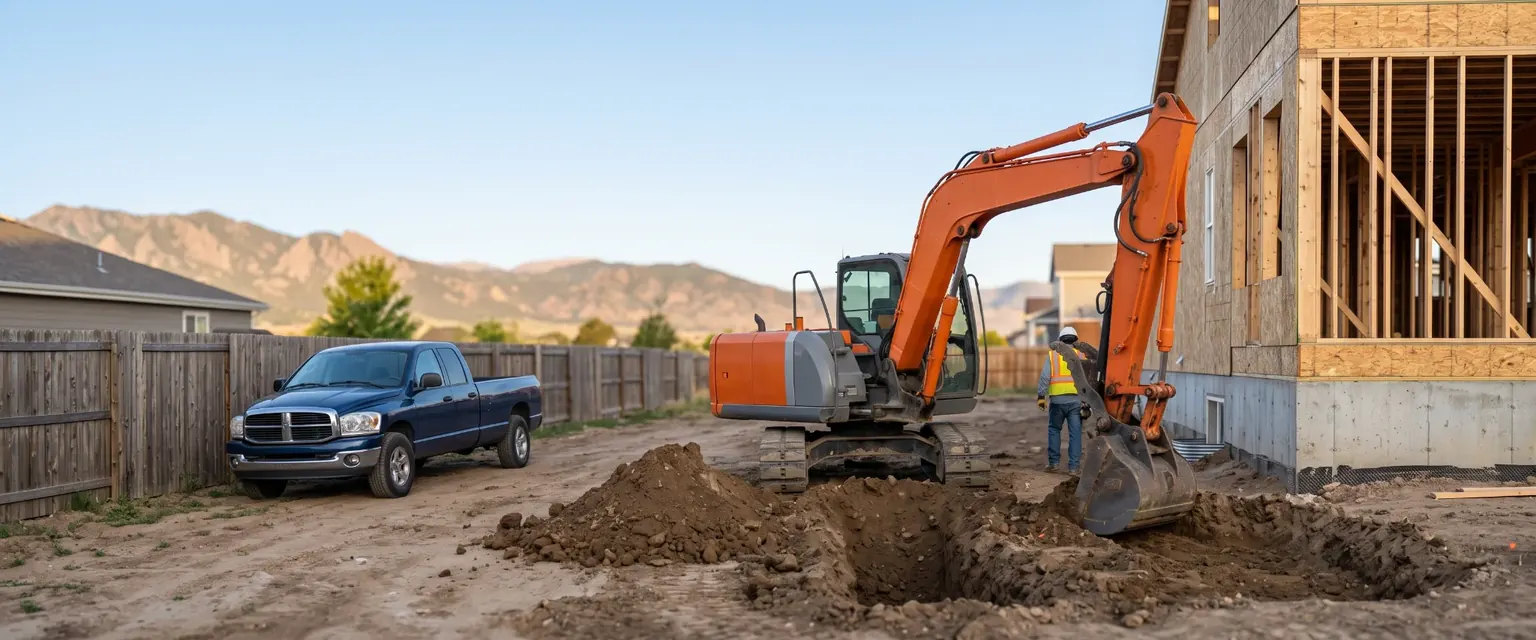
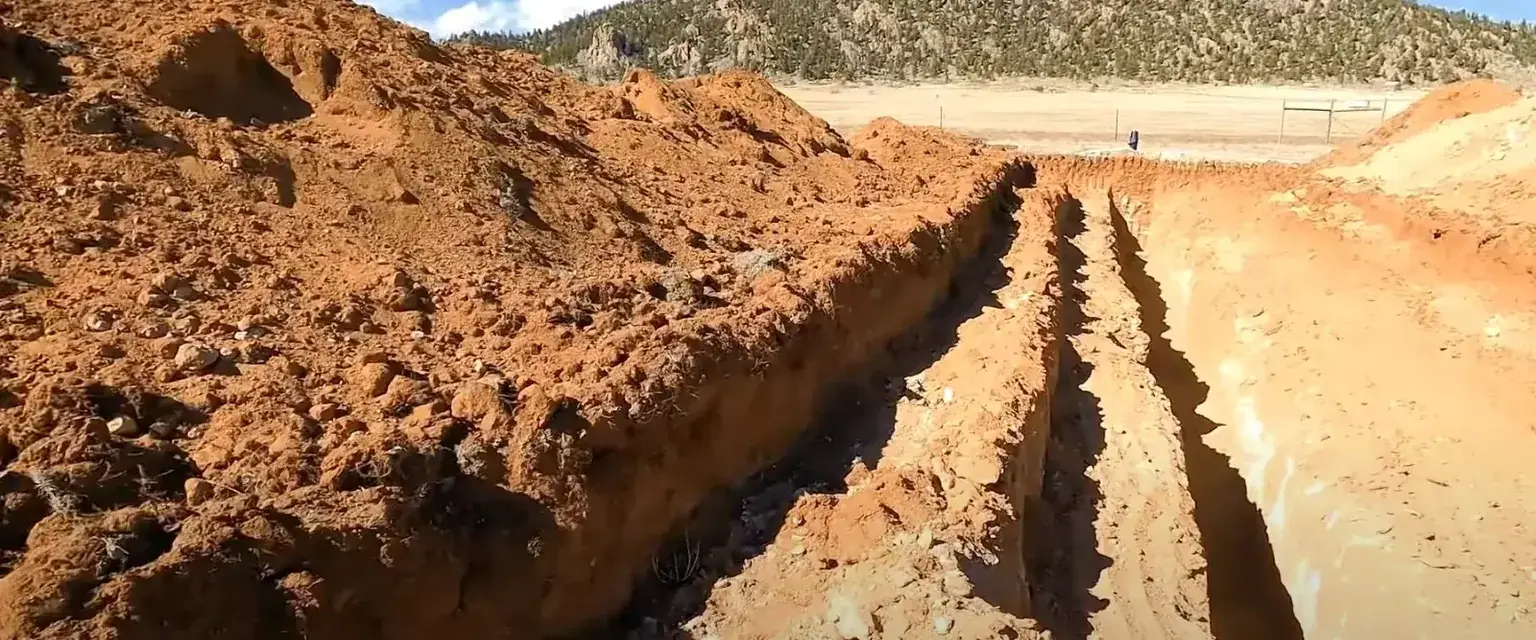
You hit a gas line. Here's who pays, and what your policy has to say for the carrier to be in the conversation. Trenching is the excavation trade where the law, the locate ticket, and the GL form all show up on the same claim. Utility Trenching insurance -
 LANDSCAPING TRADE
Hardscape and Paver Installer
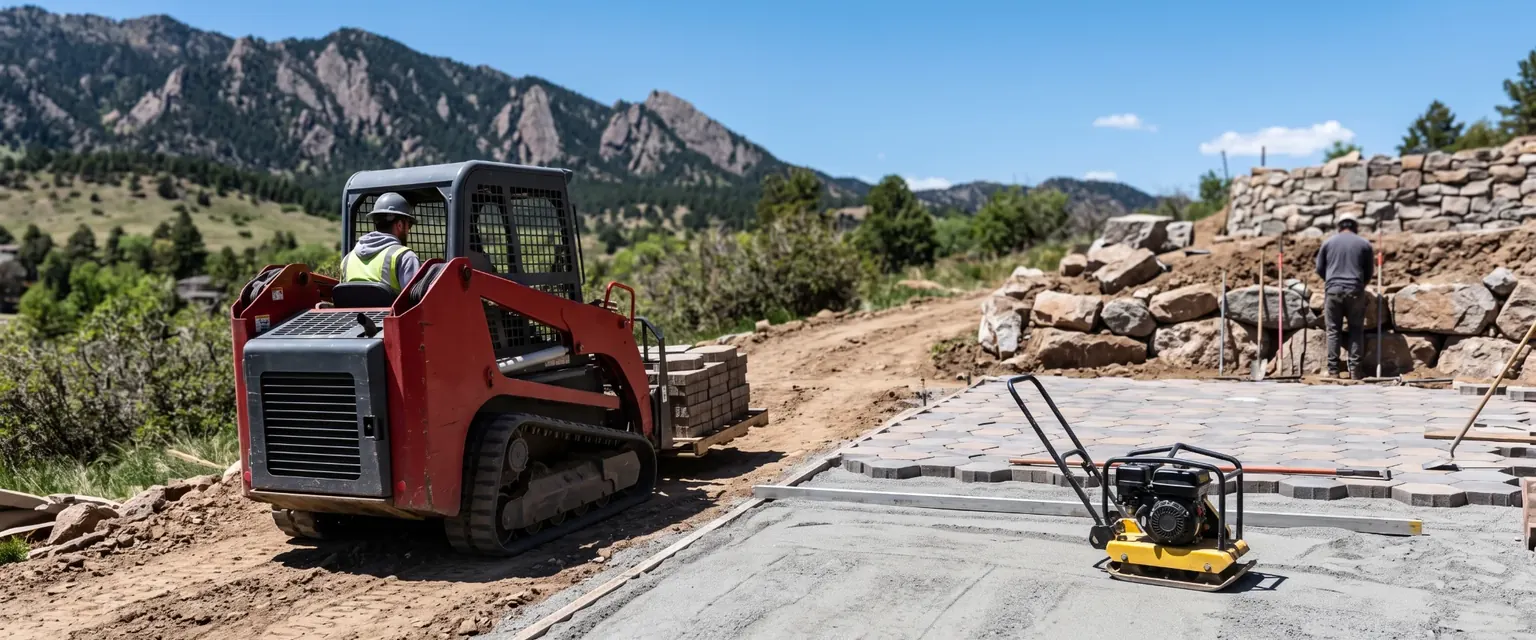
A retaining wall is the one thing a landscaper builds that can hurt somebody three years after the final payment. Pavers heave, walls lean, and the block stacked on the driveway belongs to you until the owner signs. Here's what a hardscape outfit's policy has to do in Colorado. Hardscape and Paver Installer insurance -
 SNOW TRADE
Commercial Snow and Ice Management
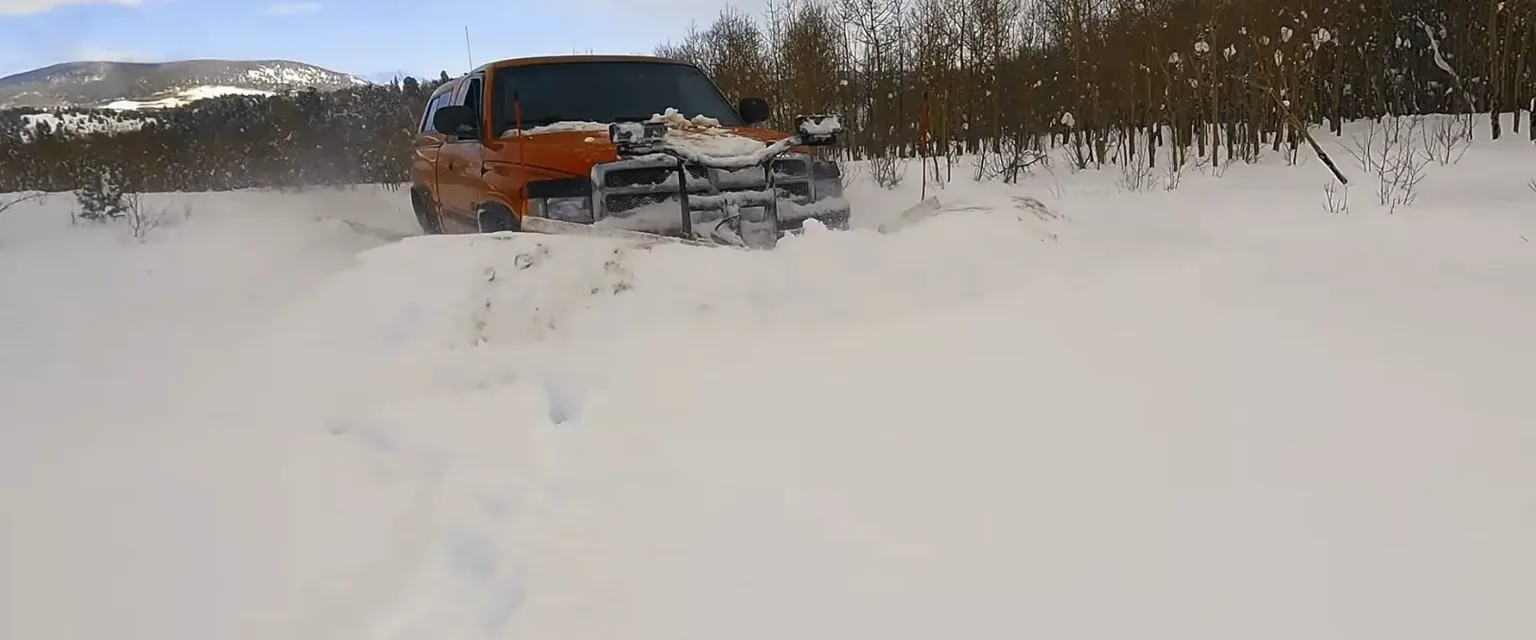
Commercial snow is a contract business first and a plowing business second. The lot, the log, and the indemnity clause decide the claim. Here's what a Colorado commercial snow and ice policy has to do, from an agency that runs a pusher box on commercial lots above 9,000 feet. Commercial Snow and Ice Management insurance
What is an XCU exclusion and does my GL policy have one?
What is the difference between CG 20 10 and CG 20 37?
Why do contracts ask for $1M per occurrence and $2M aggregate?
Does general liability cover my subcontractors?
What does primary and non-contributory mean?
Statutes and numbers on this page last verified September 2, 2026 by a licensed Colorado producer. How we verify.