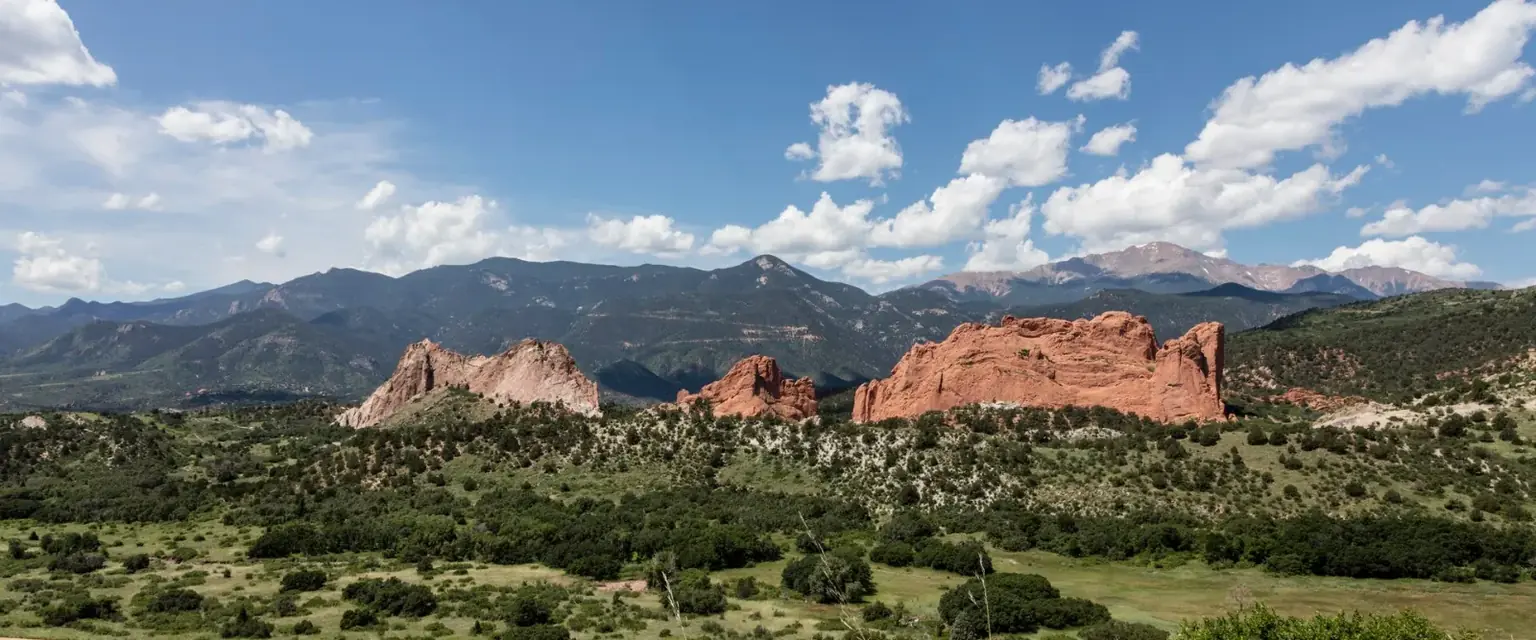
COLORADO · PIKES PEAK REGION
Excavation, Landscaping, and Snow Insurance in Colorado Springs
Colorado Springs is the Front Range city with its own pre-marking ordinance, a City Clerk excavation license, and two military installations that write their own insurance sections. Hail does the rest.
Colorado Springs at a glance
- Licensing
- Public-place excavation needs a City Clerk license, bond, and GL certificate naming the city; the city's own ordinance requires pre-marking the dig area for 811; PPRBD licenses wrecking but not excavation or landscaping; El Paso County septic permits come through a licensed installer.
- Ground
- Decomposed Pikes Peak granite on the west side, sand under ponderosa out east in Black Forest and Falcon, expansive clay through the middle, burn-scar drainage below Waldo Canyon and Black Forest, and hail that strips locate paint in an afternoon.
- Snow
- Upslope storms hit the Palmer Divide and the north end far harder than downtown, commercial lots run one- and two-inch per-push triggers, and the city's sidewalk ordinance gives commercial property until 5 p.m. the next business day.
- Contracts
- Fort Carson, the Air Force Academy, and the Space Force bases push federal insurance language and higher limits down to subs; municipal work builds on the Clerk's license; private GCs and north-end HOA managers ask for $1M/$2M, additional insured, and logs.
Colorado Springs is where the locate ticket gets an extra step. The city wants the dig area identified before the utilities come out, and the utility owners can wait until you do. Add a City Clerk excavation license for anything in a public place, two military installations with their own paperwork, and a hail season that erases white paint in an afternoon, and the Springs reads differently from Denver. This page sits under our excavation, landscaping, and snow removal hubs and the Colorado map.
The licensing reality in Colorado Springs
Two things to keep separate: the locate rule the whole state shares, and the city’s own layer on top of it.
The state clock. Colorado law requires notice to Colorado 811 at least two business days before excavating, not counting the day you call (C.R.S. 9-1.5-103(3)(b)); Colorado 811 phrases the same window as three full business days, so a Monday call means a Thursday dig. (C.R.S. 9-1.5-103(3)(b)) Nothing local shortens that.
The city’s pre-marking rule. Colorado Springs City Code § 12.10.104 requires anyone planning an excavation to identify the dig area when calling 811, by pre-marking it with white paint, flags, or stakes, or by providing an electronic map or aerial delineation; utility owners may decline to locate until an unclear area is pre-marked. (Colorado Springs City Code §§ 12.10.101, 12.10.104, 12.10.106 (Ord. 20-70; Ord. 24-09)) In practice, white paint, flags, or a map goes on the ticket before the locators roll, and a trenching crew that skips it on a Briargate service line can sit for days while the utility waits on a clear area. The ticket is not the whole job here. The pre-mark is.
Excavation in a public place. Colorado Springs requires an excavation license from the City Clerk plus a permit before anyone makes or fills an excavation in a public place; the license takes a $5,000 surety bond, a $1,000,000 commercial general liability certificate naming the City, a $110 annual fee, and completion of the Damage Prevention Safety Class. (Colorado Springs City Clerk, Excavation License (City Code § 3.3.203 referenced)) The city wants its own name on the general liability certificate, and the bond is surety, not insurance.
The regional building department. The Pikes Peak Regional Building Department, which serves Colorado Springs, El Paso County, Fountain, Monument, Manitou Springs, Woodland Park, Palmer Lake, Green Mountain Falls, and Calhan, licenses wrecking (demolition) contractors as B-D-2A (any building, four years' experience) and B-D-3B (up to two stories), but lists no separate excavation, grading, landscaping, or irrigation license type. (PPRBD License Types) So a landscaper, a grader, or an irrigation crew in the Springs is not chasing a PPRBD license class, as of our last check. A wrecking contractor is. Read the class descriptions before you bid a demolition.
Septic. El Paso County Public Health regulates septic systems, and since January 1, 2024 an OWTS permit application must be submitted by an installer licensed by El Paso County Public Health; a Tier 2 licensed system contractor may install any conventional or engineer-designed system. (El Paso County Public Health, Onsite Wastewater Treatment Systems; Licensed Installers) Black Forest, Peyton, and the eastern edge of Falcon are still on septic, and the county wants the permit application to come from a licensed installer, not the homeowner.
Terrain and soil
The Springs is three soils in one city. The west side, from Manitou Springs up Ute Pass toward Woodland Park, is decomposed Pikes Peak granite over boulders: loose on top, hard underneath, and it washes off a cut slope in one thunderstorm. The east side, out through Black Forest, Falcon, and Peyton, is sand under ponderosa. It digs easy and it will not hold a trench wall, so a mid-size excavator opening a tank hole out there needs a box or a wide bench, not a vertical cut. Between the two, along the creek bottoms and across the older neighborhoods, sits the Front Range expansive clay everyone knows from Denver and Castle Rock.
The clay is what produces completed-operations claims. A retaining wall or a graded pad that looked fine in September starts moving after a wet spring, and the call comes a year or two later.
The burn scars matter too. The Waldo Canyon and Black Forest scars still shed water and debris in a hard rain, and grading work below either one carries a drainage question the underwriter will ask.
Then hail. In our experience the Springs gets hit as hard as anywhere on the Front Range, and hail is three claims at once: an inland marine claim on the yard (a Yanmar mini skid steer parked outside all summer collects dents and cracked glass), an auto claim on the plow truck, and a lost day for the lawn crew. It is also the reason locate paint disappears. A June storm can strip the white pre-mark and the utility marks in the same hour, and marks are only good while they are visible. Re-call. It costs a day.
Snow, and what the contracts trigger
Springs snow is a north-end problem first. The Palmer Divide pushes upslope storms harder onto Monument, Palmer Lake, Gleneagle, and Black Forest than onto downtown, and I-25 over Monument Hill closes for wind and drifting while the city center is still bare. A contractor with lots in Flying Horse and lots near the Broadmoor is running two seasons under one contract book.
Which is why the trigger clause matters more here than the seasonal total. Commercial lots on the Powers corridor and the retail near InterQuest tend to run one-inch or two-inch triggers with per-push billing, and the property manager wants a log with a time stamp. HOAs on the north end lean toward seasonal contracts, which shift the weather risk onto you. Most commercial snow operators we insure run both and manage the mix.
Colorado Springs City Code 3.4.202 gives residential property owners 24 hours after snow stops falling to clear adjoining sidewalks, and commercial properties until 5:00 p.m. the next business day. (Colorado Springs City Code § 3.4.202 Snow Removal Required; Time Limits) Read that against your contract. The commercial deadline is later than the residential one, which is backwards from what most property managers assume, and a contract that promises sidewalks clear “immediately” has written you a tighter standard than the city’s. On a slip-and-fall claim the plaintiff’s attorney reads both. So does the carrier.
Contract norms we see here
Three kinds of paper show up in the Springs.
Federal installations. Fort Carson, the Air Force Academy, and the Space Force bases each run their own contract templates, and a subcontract on a base tends to ask for higher liability limits than a private GC would, plus base access, badging, and insurance wording pulled from federal clauses. We don’t quote the limits because they change by contract and by prime. Here’s what we tell every contractor who asks: get the insurance exhibit before you price the work, because a base job is where a $1M/$2M policy usually needs an umbrella sitting over it.
Municipal and utility. The Clerk’s license sets the floor for public-place excavation. City and county project contracts build up from there with additional insured status, primary and non-contributory wording, and a waiver of subrogation on the workers’ comp.
Private GCs, HOAs, and property managers. The standard ask is $1M per occurrence and $2M aggregate on general liability, the holder as additional insured, and a certificate before mobilization. The HOA management firms on the north end add snow and landscape logs, and often a hold-harmless clause that Colorado’s snow removal law ( C.R.S. 13-21-129(3), (4); SB 18-062) may or may not let them enforce, depending on whether the contract restricted your ability to treat the event.
Nearby
We work with contractors across El Paso County and up the pass: Fountain and Security-Widefield south of the city, Monument and Palmer Lake on the Divide, Manitou Springs and Woodland Park on the west side, and Falcon and Peyton out east where the sand starts. North of Monument Hill the market turns into Douglas County, covered on the Castle Rock and Douglas County page. South on I-25 the soil, the contracts, and the snow all change again at Pueblo.
Where to go from here
Send the dec pages to the policy review and we’ll check the completed-operations limit and whether the city is set up as a certificate holder. Starting fresh? Get Insured lists what to have ready. No online quote. A Springs book gets built around what you dig next to and who you sign with.
Serving businesses located in Colorado. Coverage is determined by the policy language and the carrier.
Trades
Trades common in Colorado Springs.
-
 EXCAVATION TRADE
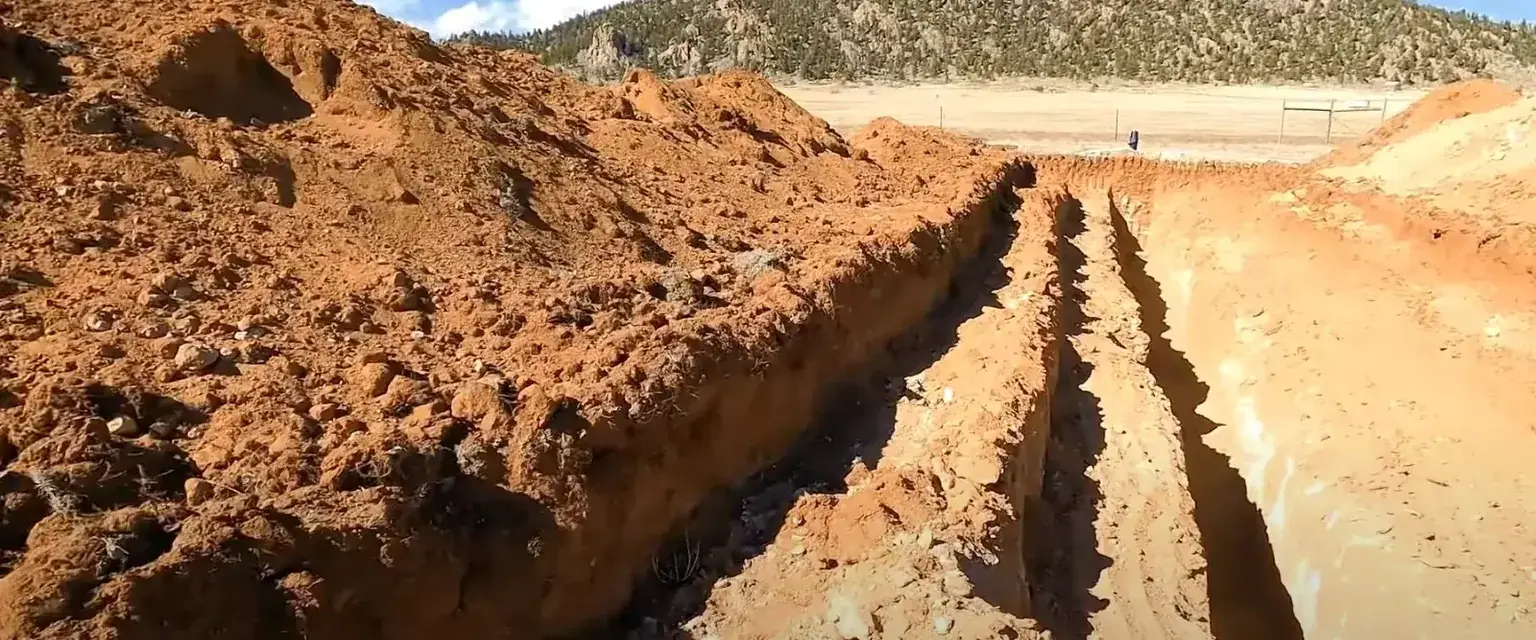
Utility Trenching
You hit a gas line. Here's who pays, and what your policy has to say for the carrier to be in the conversation. Trenching is the excavation trade where the law, the locate ticket, and the GL form all show up on the same claim. Utility Trenching insurance -
 SNOW TRADE
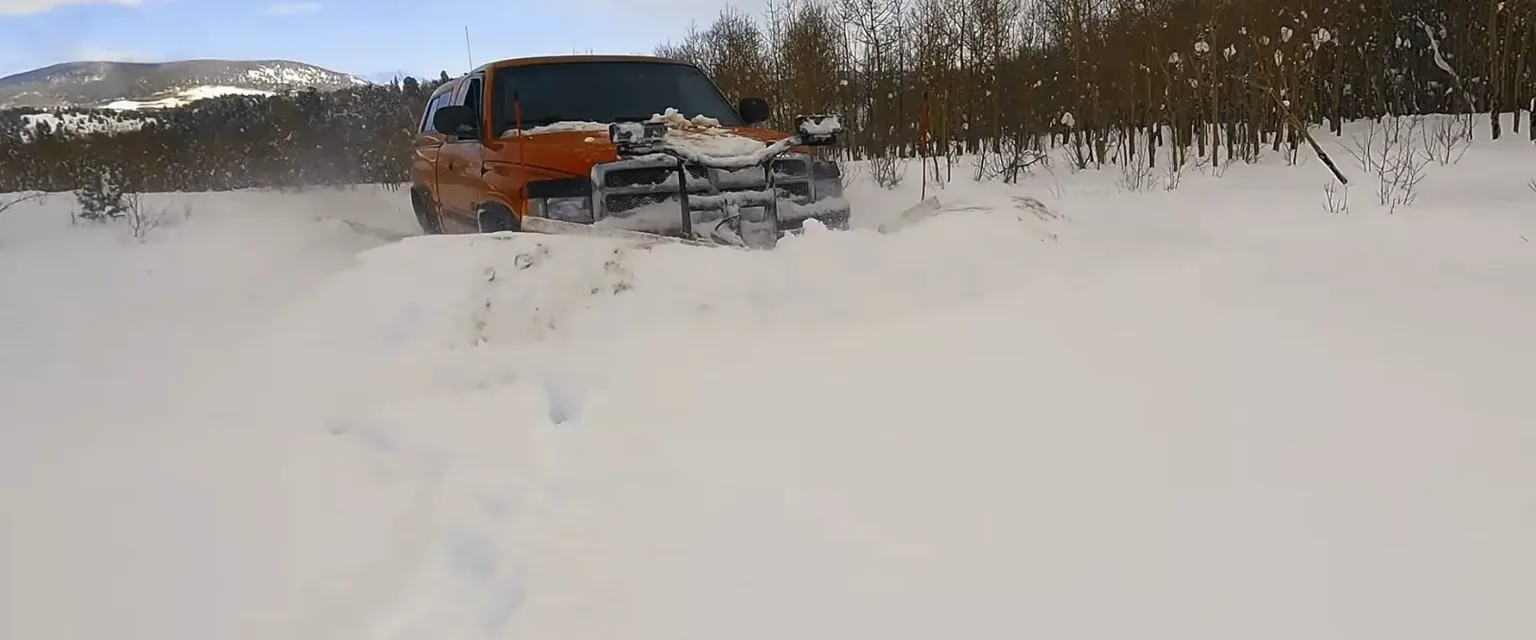
Commercial Snow and Ice Management
Commercial snow is a contract business first and a plowing business second. The lot, the log, and the indemnity clause decide the claim. Here's what a Colorado commercial snow and ice policy has to do, from an agency that runs a pusher box on commercial lots above 9,000 feet. Commercial Snow and Ice Management insurance -
 LANDSCAPING TRADE
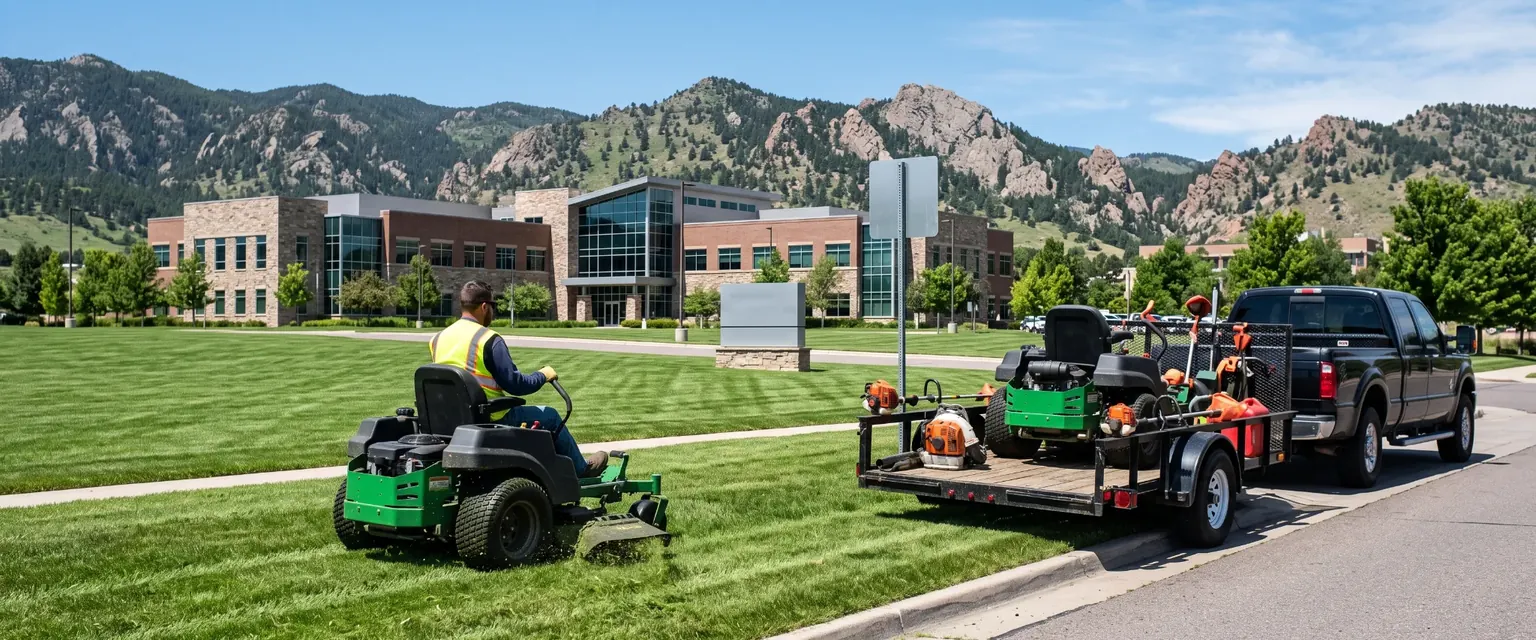
Lawn Care and Maintenance
Maintenance is the landscaping trade with the most claims per dollar of revenue. Not the biggest claims. The most. Here's what a Colorado lawn care policy has to catch, from rock-throw to the plow you put on the same truck in November. Lawn Care and Maintenance insurance
Nearby
Working outside Colorado Springs? The next pages over.
Do I need a license to dig in Colorado Springs?
What does the pre-marking rule do to my locate ticket?
What insurance do Fort Carson and Air Force Academy contracts ask for?
Statutes and numbers on this page last verified September 2, 2026 by a licensed Colorado producer. How we verify.