COLORADO · MOUNTAINS · HOME GROUND
Excavation, Landscaping, and Snow Insurance in Park County
This is where we live and work. Park County Gravel & Land Services runs out of Bailey and Fairplay, so what follows is less a market summary than what we see from the seat.
Fairplay and Bailey at a glance
- Licensing
- Park County runs a contractor license program through its Building Department, right-of-way permits through Public Works under a utility accommodation code, and septic under an Environmental Health OWTS regulation, but the county's pages were unreachable at our last check so classes, insurance terms, and installer licensing are unverified; Alma's seasonal ground-disturbance cutoff is field practice until the town confirms it.
- Ground
- Decomposed granite over boulders over bedrock with seams of bentonite clay around Bailey and the canyon, glacial gravel and clay over cobble with a shallow water table on the South Park floor, and freeze-thaw that idles machines from November to April and moves anything compacted wet.
- Snow
- Bailey and the Platte Canyon get the Front Range upslope storms, South Park gets less snow and constant wind that drifts driveways shut under clear skies; contracts are residential per-push or seasonal, HOA one-inch or two-inch triggers, and seasonal county and school work with a written insurance section.
- Contracts
- Private cabin and driveway work often carries no certificate ask at all, custom-home GCs ask for $1M/$2M general liability with additional insured and a waiver of subrogation, county and school district work adds $1M auto and a certificate to the county, and grant-funded wildfire mitigation contracts carry their own insurance section.
Park County is home ground. I run Park County Gravel & Land Services out of Bailey, and most of what we film for Diggin’ Deeper happens between the Platte Canyon and the top of Hoosier Pass. So this page is a walk around the county: what the ground does, what the wind does, what the county and the towns ask for, and what that means for an excavation, landscaping, or snow removal policy written for Fairplay, Bailey, Alma, or Hartsel.
The licensing reality in Park County
Here’s the honest answer: the county’s website was down when we last checked, so several of these facts carry a verify badge. We’re not going to fill the gaps from memory. Use them as a map of which office to call.
The county runs a contractor license program through the Building Department. Park County publishes a Contractors page and a Contractor's License Application through its Building Department, indicating a county contractor license program; the pages could not be fetched, so the covered trades, classes, and insurance limits are unverified. (Park County Building Department, Contractors page; Contractor's License Application) [VERIFY] As of our last check we can’t tell you which classes cover excavation or what the application asks for on insurance, so ask Building before you assume you’re exempt.
Right-of-way is Public Works. Park County Public Works' Right-of-Way Division administers right-of-way permits under the Park County Right of Way Utility Accommodation Code (March 2024); the documents could not be fetched, so permit triggers, insurance, and bond terms are unverified. (Park County Public Works Right of Way Utility Accommodation Code (March 2024); Right-of-Way Division handout) [VERIFY] That’s the office you talk to before you cut a county road for a culvert or a utility tap off County Road 43. Expect them to ask for a certificate.
Septic is Environmental Health. Park County Environmental Health administers the Park County, Colorado On-Site Wastewater Treatment System Regulation; the regulation text could not be fetched, so its installer-licensing section and adoption date are unverified. (Park County, Colorado On-Site Wastewater Treatment System Regulation) [VERIFY] Most of the mountain counties around us license installers locally, and we’d expect Park County to, but expecting isn’t reading the section. Our septic installer page covers the coverage side.
Then Alma. Our own rule of thumb up there has been to have ground work and taps finished before the snow settles in, and there’s a cutoff we’ve scheduled around for years. As of our last check, here’s where the paperwork stands: The Town of Alma's building department page does not publish an October 31 or any other seasonal cutoff for excavation or ground disturbance; Phil's October 31 rule remains field experience until a town code section or written policy confirms it. (Town of Alma Building Department page (no seasonal cutoff found)) [VERIFY] Our read is that the cutoff is about ground temperature. Once the dirt is freezing and thawing every night, compaction and backfill stop performing, and a foundation poured on that cracks. Code or building-official policy, the practical answer is the same: call the town before you schedule a fall job inside the limits.
What Alma has published is the design side. Effective January 1, 2026, the Town of Alma adopted the 2024 ICC code series, and its building department lists a 100 psf roof snow load, a 44-inch frost line depth, 110 mph ultimate (90 mph nominal, Exposure C) wind speed, and a -14 degree winter design temperature for construction inside town limits. (Town of Alma Building Department) That snow load and frost depth tell you most of what you need to know about digging a foundation there in October.
Terrain and soil
Two soils, and they sit next to each other.
Around Bailey, Shawnee, and up the Platte Canyon you’re in decomposed granite over boulders over bedrock, with seams of bentonite clay in the low spots. The decomposed granite is loose enough to dig with a mid-size excavator and loose enough to slough off a trench wall while you watch. Bedrock is the wildcard: it takes a hydraulic hammer and a different schedule. The bentonite is the one that costs money. It swells when it gets wet, shrinks when it dries, and it doesn’t care what you built on top of it. We’ve hit it on driveway cuts, septic test pits, and behind retaining walls, and every one of those jobs got redesigned on the spot.
South Park is different country. Fairplay, Alma, Como, Hartsel, and Jefferson sit on a high, flat, open basin of glacial gravel and clay over cobble, with a shallow water table along the Middle Fork and Tarryall Creek. Sparser trees, more grass, and wind that moves every day of the year. A cut you left open Friday is full of drifted snow or blown dust by Monday.
What it does to the work. Trenches in decomposed granite get a trench box even when the depth says you could skip it. Retaining walls near Bailey get over-excavated with drain rock and a daylighted pipe behind them, or they lean by the second spring, which is a completed-operations claim on your general liability. Septic fields are engineered around the clay and the water table, and the installer carries that tail for years. Freeze-thaw is the schedule: the ground freezes deep, thaws late, and a pad compacted wet in October moves. That’s why the machines sit from November to April, and why a scheduled inland marine policy has to cover a machine parked on a remote lot all winter, not just one that’s working.
Snow, and what the contracts trigger
Park County gets two kinds of snow. Bailey and the canyon get the upslope storms that hit the Front Range, heavier and wetter, on the same days Denver gets them. South Park gets less snowfall and more wind, and the wind is the job: a driveway in Como or Hartsel drifts shut under a clear sky with nothing new on the ground. Roads plowed at six are closed by nine.
Contracts here are mostly residential and small commercial. Driveways above Bailey on a per-push or seasonal basis, often on a handshake, which is its own problem when the mailbox gets hit. HOAs around Bailey and along 285 write one-inch or two-inch triggers with a per-push rate. Fairplay’s commercial lots, the schools, and the county buildings go out on seasonal contracts with a written insurance section. Nothing here runs on resort accumulation triggers; the nearest of those are over Hoosier Pass.
The wind changes the contract question. On South Park lots a plow contract that says “after each snowfall” doesn’t cover a drifted driveway on a sunny day, and that argument happens every winter. Put drifting in the contract. And put the truck on a commercial auto policy, because a plow truck with a Boss blade on a personal policy is the gap we see most in this county. Our residential and HOA plowing page has the rest.
Contract norms we see here
Lighter than the Front Range, until you hit government work. Private driveway and cabin-lot work in Bailey and Fairplay often comes with no certificate ask at all, which means the homeowner’s expectations and your policy have never met. When a certificate is asked for, it’s usually a GC building a custom home: $1M per occurrence and $2M aggregate general liability, additional insured, and a waiver of subrogation. County road, school district, and town work asks the same limits, adds $1M auto and a certificate to the county as holder, and on larger jobs an umbrella.
The other contract that matters here is wildfire mitigation. Park County is wildland-urban interface end to end, and defensible-space work around cabins above Bailey comes from homeowners, HOAs, and grant programs. The grant-funded ones carry the certificate ask. The homeowner ones often don’t, and the tracked forestry mulcher is running in dry lodgepole either way. Our land clearing and forestry mulching page covers the fire exclusion to look for, and the dump truck and aggregate hauling page covers hauling the slash and the road base yourself.
Here’s what we tell every Park County contractor who asks: the certificate ask up here is light, and the exposure isn’t. A completed-operations claim on a Bailey retaining wall reads the same as one in Castle Rock.
Nearby
We serve all of Park County, and we live in it: Alma, Como, Jefferson, Hartsel, Lake George, Grant, Shawnee, Guffey, and the Pine and Conifer end of the canyon. North over Hoosier Pass the permit calendar gets formal and the snow contracts get big; that’s on Summit County, Breckenridge, and Frisco. Down 285 toward Denver the ground turns to expansive clay and the certificates get longer; that’s Castle Rock and Douglas County. Everywhere else is on the Colorado hub.
Already carry coverage? Send the dec pages to the policy review and we’ll find which policy the plow truck is on and what year the excavator’s value is from. Starting out? Get Insured lists what to have ready. We’re probably on a job in the county anyway.
Serving businesses located in Colorado. Coverage is determined by the policy language and the carrier.
Trades
Trades common in Fairplay and Bailey.
-
 EXCAVATION TRADE
Septic Installer
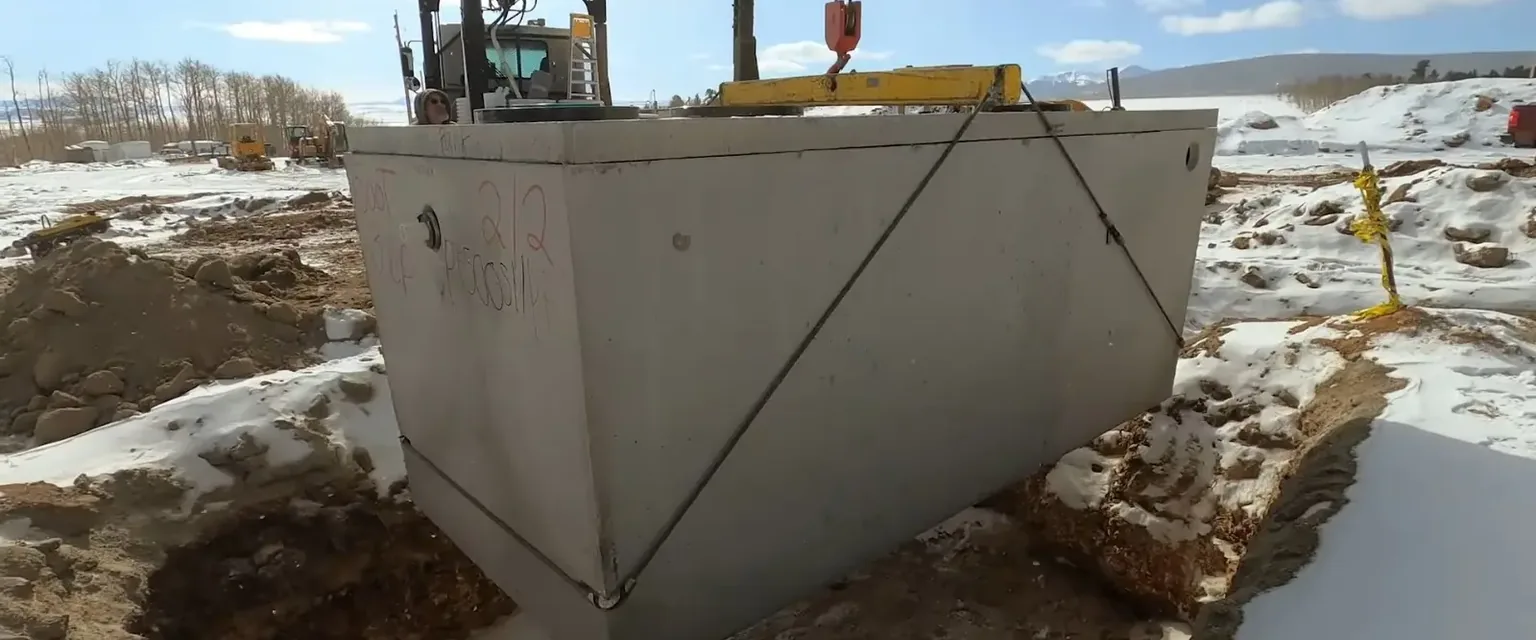
The tank is in, the county signed off, and the customer paid. Your exposure on that system runs for years after that. Here's what a septic installer's policy has to do in Colorado, and where the standard forms fall short. Septic Installer insurance -
 EXCAVATION TRADE
Land Clearing and Forestry Mulching
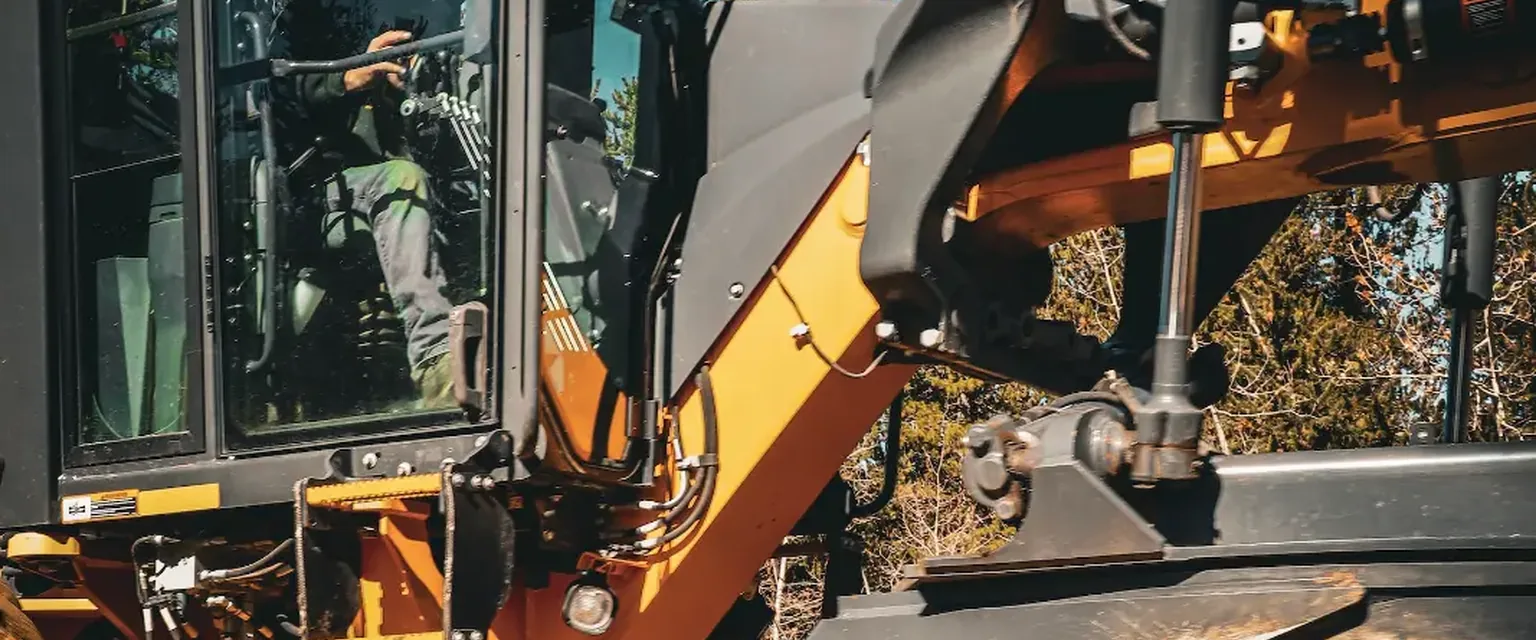
A tracked forestry mulcher is a diesel engine and a spinning drum in a stand of dry lodgepole. Fire is the claim underwriters think about first, and it is not always the claim your policy was written for. Here's what a clearing outfit's coverage has to do in Colorado, from the machine to the land it works on. Land Clearing and Forestry Mulching insurance -
 EXCAVATION TRADE
Dump Truck and Aggregate Hauling
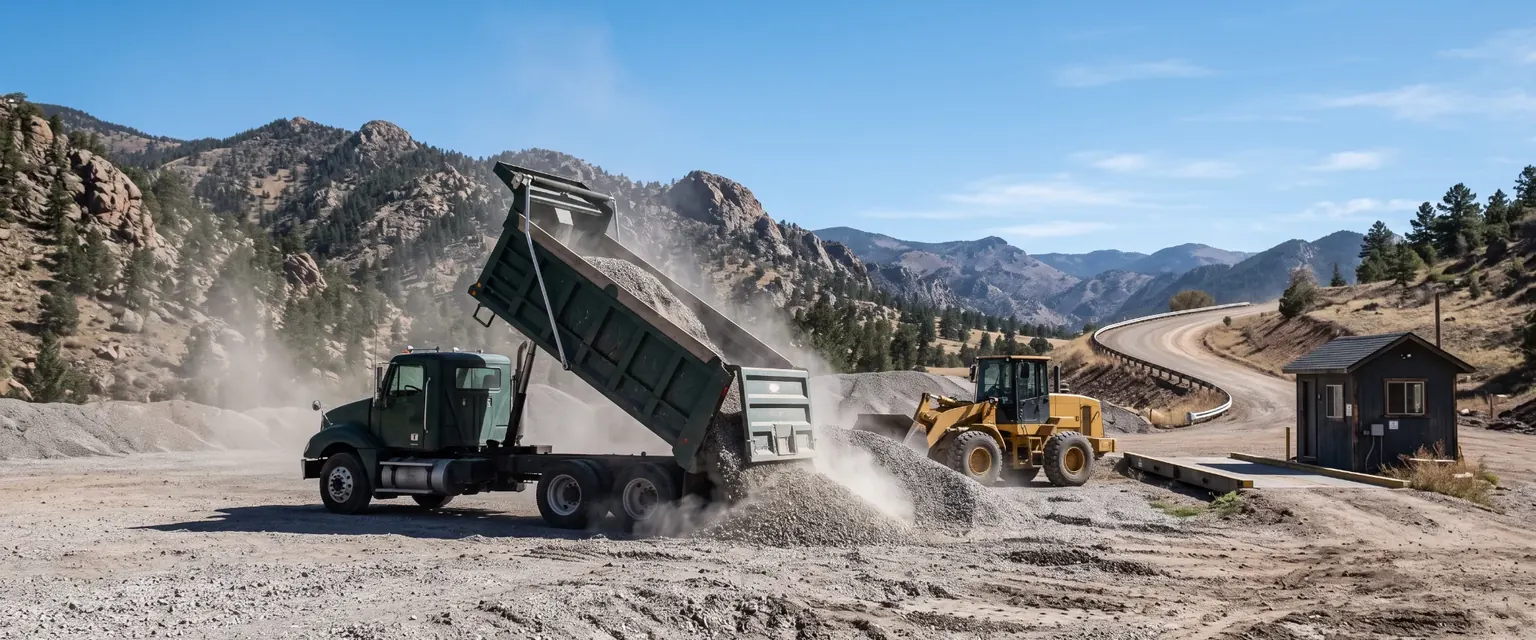
A loaded Mack dump truck is the most expensive thing most dirt outfits put on a public road. Whether it hauls your own material or someone else's for a fee changes the whole policy. Here's where that line sits in Colorado, and what the truck, the load, and the driver each need. Dump Truck and Aggregate Hauling insurance
Nearby
Working outside Fairplay and Bailey? The next pages over.
Does Alma have a seasonal cutoff for excavation?
Does Park County license excavation contractors?
What's different about insuring a contractor based in Bailey or Fairplay?
Statutes and numbers on this page last verified September 2, 2026 by a licensed Colorado producer. How we verify.