COVERAGE
Bonds for Colorado Contractors
Aurora wants a right-of-way bond before your crew cuts the curb. Denver wants a license bond before it issues the demolition permit. A county road regrade wants performance and payment bonds for the full contract. None of it is insurance, and the difference matters the day something goes wrong.
Bonds
What it typically does, and what it does not.
What it typically does
- A license bond promises the city that you will follow its code and pay what you owe if you don't
- A right-of-way or permit bond promises the city or CDOT that the street, curb, and shoulder you open get restored
- A bid bond promises the owner you will sign the contract and post the other bonds if your bid wins
- A performance bond promises the owner the job gets finished per the contract, by you or by someone the surety hires
- A payment bond promises your subs and suppliers get paid, so they don't lien the project or, on public work, so they have a claim at all
- A maintenance bond promises the work holds up for a stated period after completion
What it does not do
- A bond pays the obligee, never you; that is what insurance is for, and the surety expects every dollar back
- Injuries and property damage on the bonded job are not a bond claim; that is what general liability is for, and the same permit usually requires it
- The dump truck on the bonded job is not bonded; that is what commercial auto is for
- A stolen machine on a bonded job is not a bond claim; that is what contractor's equipment (inland marine) is for
- A license bond does not make you licensed; that is what the city's application, exam, and fee are for
- A bond does not defend you; that is what the liability policies are for, while the surety may hire counsel to protect itself
Who needs it
- Anyone pulling a contractor license or a right-of-way permit in a city that requires a bond with it
- Anyone working in state highway right-of-way under a CDOT access or utility permit that calls for one
- Anyone bidding public work: county roads, school district site packages, municipal utilities, park projects
- Subs on private commercial jobs where the GC passes the bonding requirement down
Descriptions say what a coverage typically does; your policy form controls.
A bond is not insurance. It sits on the same page of the contract as the insurance requirements, we place both, and that is where the resemblance ends. Insurance pays you. A bond pays the city or the owner, and then the surety collects from you. Here’s what the bonds a Colorado dirt, landscape, or snow outfit runs into typically do, what they don’t, and how you get a surety to give you room to bid.
What it does on your job
Start with the permit. A utility trenching crew is cutting a curb in Aurora to tap a water service. The city issues a right-of-way permit and wants a bond with it, because the city has watched contractors open a street and leave a settling patch behind. The bond promises Aurora that the street gets restored to its spec. If you do the work, nothing happens and the bond expires. If you don’t, the city calls the surety, the surety pays for the patch, and the surety sends you the bill.
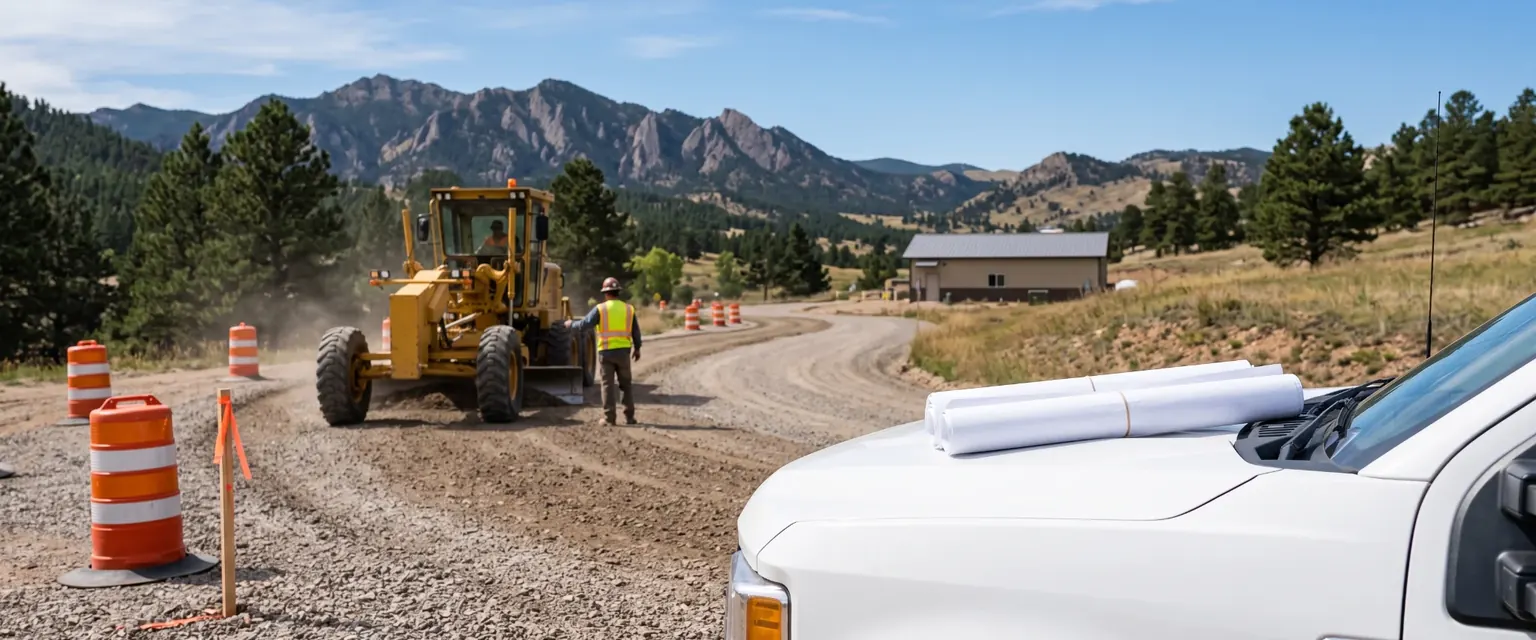
Same idea, bigger job. A grading outfit bids a county road regrade in Weld County, wind on the plains and all. The bid packet wants a bid bond with the bid, then performance and payment bonds for the full contract sum at award. The performance bond promises the county the road gets finished. The payment bond promises the aggregate supplier and the trucking sub they get paid, because on public work there is no lien to file. A demolition contractor pulling a permit in Denver needs a license bond before the permit desk will talk to him. Different bonds, same structure: three parties, one promise, and your name on the indemnity.
Two things to keep separate: what the bond does for them and what it does to you. For the obligee, it’s a promise with money behind it. For you, it’s a line of credit you signed personally, and the fee you pay is the cost of the surety’s underwriting, not a premium against a loss. That is why a surety wants financial statements and a general liability carrier wants loss runs. They are answering different questions.
What it does not do
- Pay you. Ever. A bond pays the obligee. If the job goes sideways and it costs you money, that’s your money, and if the surety pays anyone it will collect from you under the indemnity agreement.
- Cover injuries or damage. Someone hurt on the bonded job, or a gas line hit while you trench, is general liability. The same permit that wants the bond wants the GL certificate too.
- Cover the truck. A Mack dump truck on a bonded county road is commercial auto. What is covered by the bond is the road.
- Cover the machine. A John Deere 772GP stolen off the bonded job is contractor’s equipment.
- Make you licensed. The license bond is one line on the city’s application. The exam, the fee, and the insurance certificates are the rest.
- Defend you. The liability policies hire your lawyer. The surety hires its own, to protect itself, and bills you for that too.
Who needs it
Anyone working in a city’s right-of-way, holding a municipal contractor license, working in state highway right-of-way, or bidding public work. Under our excavation hub that’s utility, demolition, and site crews first. Under landscaping it’s irrigation taps in the right-of-way and park or school district contracts. Under snow removal it’s rarer, but municipal and CDOT snow contracts sometimes want a performance bond, and a plow truck with a Boss blade on a bonded route is still a plow truck on commercial auto. Owner-operators too. The city doesn’t care how big the crew is. It cares that the curb gets fixed.
How it’s rated
No fee figures here. What moves the number, and whether the surety says yes:
- Bond type. License and permit bonds are small and mostly credit-driven. Performance and payment bonds are underwritten on the whole outfit.
- Credit. Personal and business, because the indemnity is personal.
- Financial statement. Internally prepared, CPA-compiled, or CPA-reviewed. Each step up opens more capacity.
- Work in progress. What you have under contract, how much is left, and whether the margin is holding.
- Experience. Jobs of similar size and type, finished, with references the surety can call.
- Contract terms. Liquidated damages, retainage, and pay-when-paid clauses all change the surety’s read of the job.
Colorado notes
CDOT permits ask for insurance first, and sometimes a bond. CDOT utility and special-use permits for work in state highway right-of-way require commercial general liability of $1,000,000 per occurrence and $2,000,000 aggregate and $1,000,000 auto liability, with CDOT named as additional insured and certificates furnished before work starts; access-permit projects may also require a performance bond. (CDOT Form 1233 (Utility Permit) and Form 1283 (Special Use Permit); 2 CCR 601-18 § 2.2.2) [VERIFY] The bond piece lives on the access-permit side, where you’re building a driveway or an approach onto a state highway. Ask the CDOT permit office which permit you’re on before you assume.
There is no state license, so there is no state bond. Colorado has no state landscape-contractor license (DORA licenses landscape architects only); landscapers answer instead to local business-license, right-of-way, and trade-permit rules that vary by city, and most Front Range building departments do not issue a landscape-specific contractor license. (DORA Division of Professions and Occupations program list; City of Aurora and Denver contractor class lists) Excavation and snow work sit in the same place: local rules, local bond forms, and no two cities alike. The bond form the city hands you is the one the surety has to sign, so send us the form, not a description of it.
Septic licensing is county by county too. Colorado's OWTS Act (C.R.S. 25-10-109) and Regulation 43 (5 CCR 1002-43 § 43.4.K) let each local board of health license septic "systems contractors," and working without that license where a county has adopted licensing rules is a violation, so installers must hold whatever license the local public health agency requires. (C.R.S. 25-10-109(1); 5 CCR 1002-43 §§ 43.3, 43.4.K, 43.4.Q) Some local health agencies pair that license with a bond requirement and some don’t. The honest answer is that we check with the specific county every time, because it changes.
Contract language you’ll see
- “Bid security in the form of a bid bond or certified check.” Usually a percentage of the bid amount. The bond is cheaper than tying up the cash.
- “Performance and payment bonds in the full amount of the contract sum, on the Owner’s form.” The owner’s form is the one the surety signs. Send it in with the bid documents, early.
- “Surety shall be licensed in Colorado and acceptable to Owner.” Public owners often add a federal Treasury listing requirement. Ask us whether the surety we use clears it before you bid.
- “Right-of-way restoration bond.” Municipal permit language. Sometimes the city holds cash instead. The bond is the cheaper way to post it.
- “Maintenance bond for a period following final acceptance.” Common on municipal utility and paving work. It stays open after the job is paid.
- “Subcontractor shall furnish bonds if requested by Contractor.” The GC keeps the option and prices your bid as if you’ll be asked. Know your capacity before you sign.
Where to go from here
If a permit or a bid packet just landed on your desk with a bond form in it, send the form and the insurance requirements together through Get Insured and we’ll work both at once. If you already have a surety and a policy stack, a policy review will show whether the GL and auto limits on your certificate clear what the same permit asks for, because the bond is only half the packet.
Serving businesses located in Colorado. Coverage is determined by the policy language and the carrier.
Terms on this page: surety bond, principal obligee surety, license and permit bond, performance bond, payment bond, bid bond, general indemnity agreement, bonding capacity, right of way permit, maintenance bond. Full glossary.
Who carries it
Trades that carry this coverage.
-
 EXCAVATION TRADE
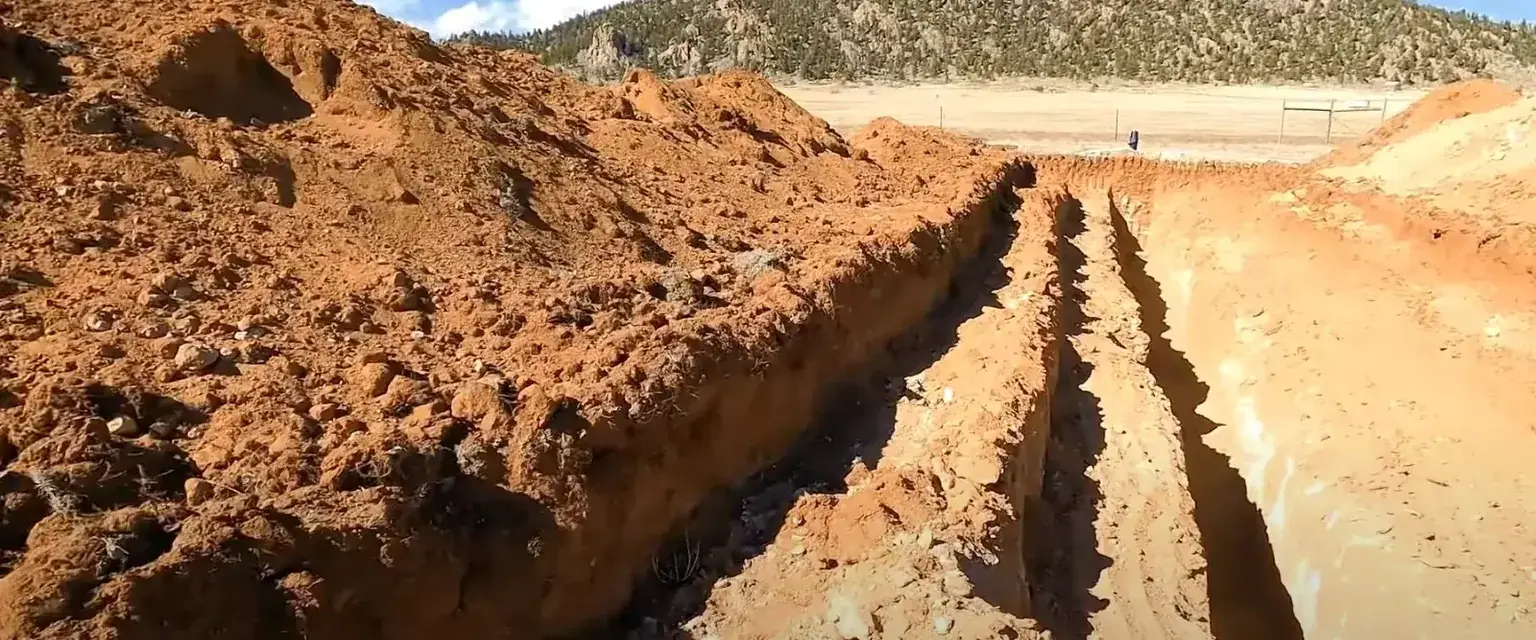
Utility Trenching
You hit a gas line. Here's who pays, and what your policy has to say for the carrier to be in the conversation. Trenching is the excavation trade where the law, the locate ticket, and the GL form all show up on the same claim. Utility Trenching insurance -
 EXCAVATION TRADE
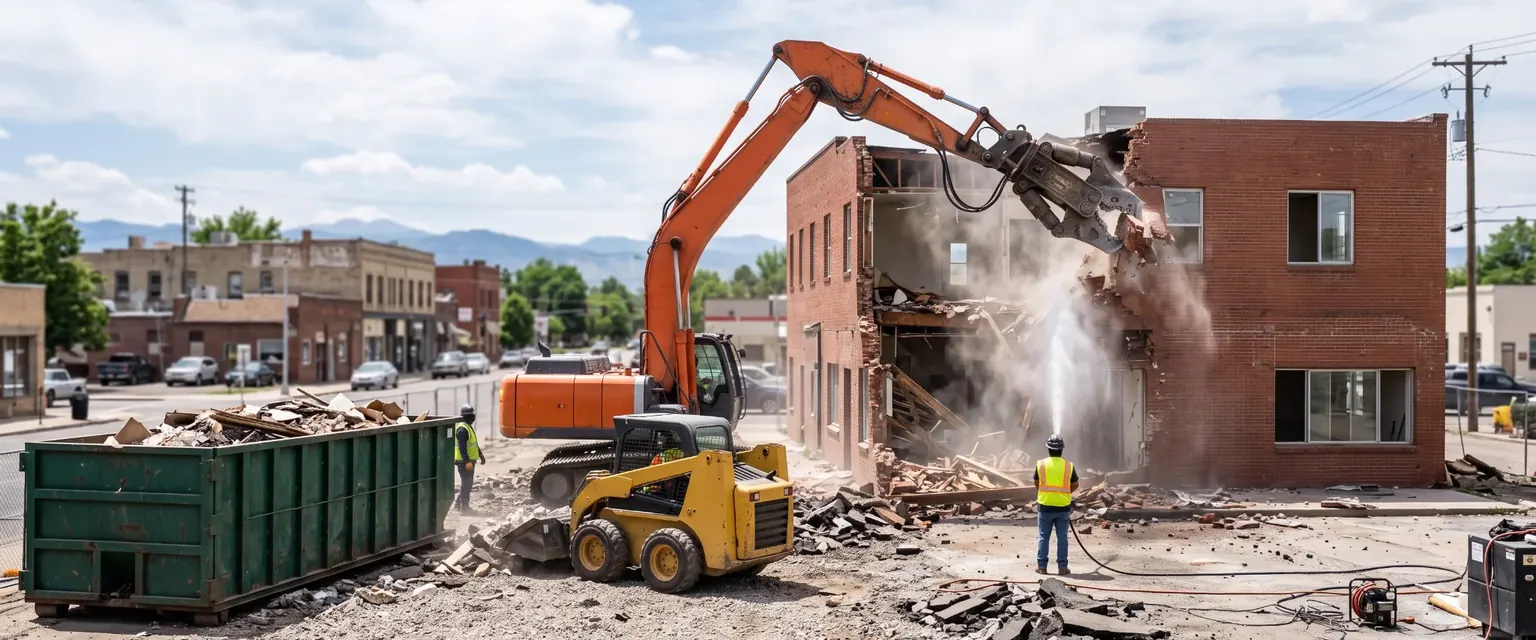
Demolition Contractor
Demolition is excavation with the building still in the way. The underwriter rates it higher, the neighbor's wall is always closer than it looks, and the material you're tearing out may be the claim. Here's what the policy has to do. Demolition Contractor insurance -
 EXCAVATION TRADE
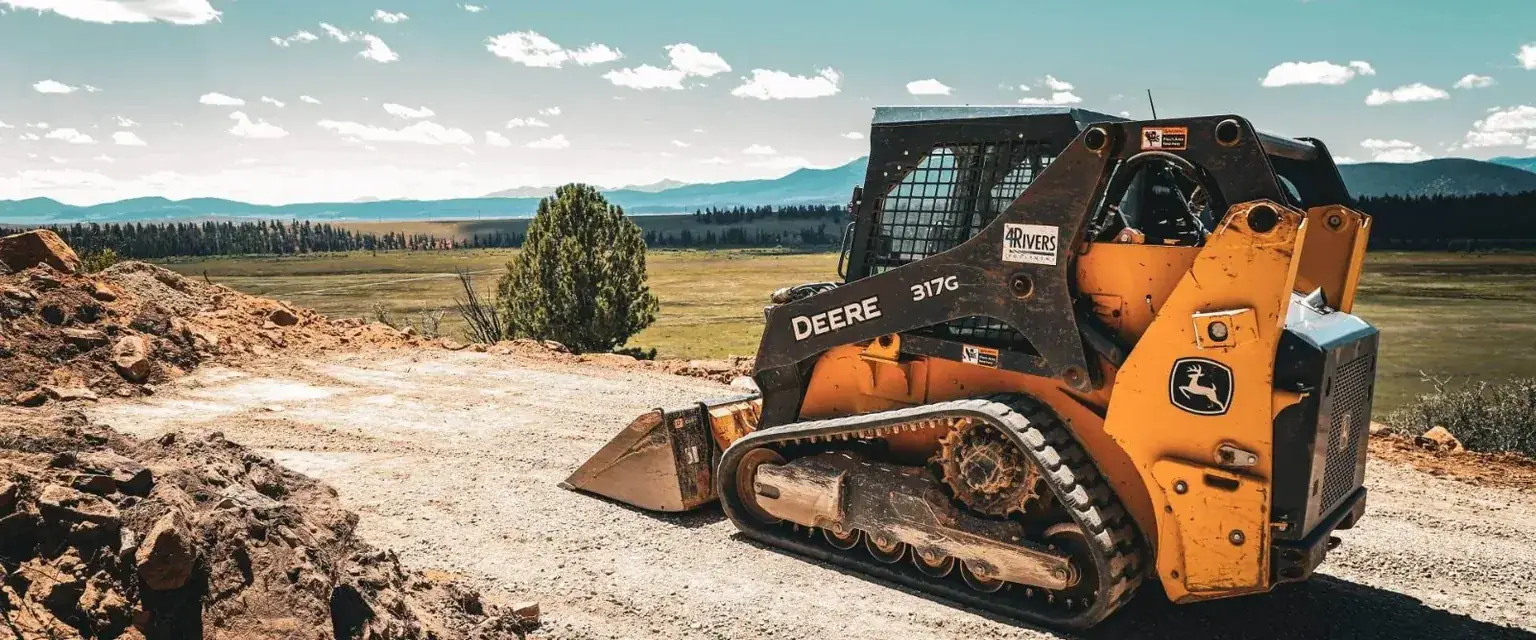
Grading and Site Prep
A pad that drains the wrong way, a wall that bulges after a wet spring, silt in the neighbor's yard after a July storm. Grading claims show up late and argue about who was at fault. Here's what the policy has to do. Grading and Site Prep insurance
What is the difference between a bond and insurance?
Do I need a license bond to work in Colorado?
What does a CDOT right-of-way permit require?
How do I get bonding capacity for public work?
What happens if there is a claim on my bond?
Statutes and numbers on this page last verified September 2, 2026 by a licensed Colorado producer. How we verify.