COVERAGE
Builder's Risk and Installation Floater for Colorado Contractors
Three pallets of wall block, a roll of geogrid, and two hundred feet of drain pipe sit on a lot in Castle Pines over the weekend. Monday they're gone, or a hail cell buried them in a wash of clay. Your equipment policy covers the skid steer. It does not cover the block.
Builder's risk and installation floater
What it typically does, and what it does not.
What it typically does
- Materials you bought for the job, on site, in transit, and in temporary storage, until they are installed and accepted
- The work in progress itself: a retaining wall at course six, a paver patio half set, an irrigation main in an open trench
- Theft of materials from the site, under most forms, when there is evidence someone took them
- Fire, wind, hail, and vehicle damage to the project or the materials
- A structure under construction, when the policy is builder's risk and you are a named insured on it
- Debris removal after a covered loss, typically as an added limit
What it does not do
- Faulty workmanship and bad design are excluded; that is your warranty, while resulting damage from a covered cause is what the policy pays
- Your machines and tools are excluded; that is what contractor's equipment (inland marine) is for
- Damage to the customer's existing house, driveway, or landscape is excluded; that is what general liability is for
- Earth movement and flood are excluded or sublimited on many forms; that is what a specific endorsement is for, and it costs extra
- Anything after the owner accepts the work is excluded; that is what completed operations on your GL is for
- Materials that simply went missing with no sign of theft are excluded on some forms; that is what a locked conex and a materials log are for
Who needs it
- Hardscape and retaining wall crews with pallets of block and stone sitting on lots
- Irrigation contractors with pipe, wire, and controllers staged before the trench is backfilled
- Site and utility crews carrying pipe, structures, and aggregate the contract says is theirs until installed
- Anyone building a structure for an owner who did not buy builder's risk, or did and left you off it
Descriptions say what a coverage typically does; your policy form controls.
Your equipment policy covers the machine. It does not cover the material the machine is placing. A lot of hardscape, irrigation, and site crews are standing in that gap without knowing it, because the two policies share a family name (inland marine) and nobody said they are different forms. Here’s what builder’s risk and an installation floater typically do on a Colorado job, which one you buy, and where the seam runs.
What it does on your job
A hardscape crew is building a segmental retaining wall in Castle Pines. Expansive clay, so the base is over-excavated and the drain rock and geogrid are stacked on site with three pallets of block. Friday night a truck backs up to the lot and Monday the block is gone. Or the weekend brings a hail cell off the Palmer Divide, the swale above the lot runs, and course six of the wall is under a foot of washed clay. Under most installation floater forms, that’s the claim: the stolen materials at what you paid for them, or the wall in progress and the materials it took to get there, less the deductible.
Same idea, different trade. An irrigation contractor in Parker has the mainline in an open trench, valves and a controller in the garage, and a wire spool on the pickup that gets hit on Lincoln Avenue. A site crew stages culvert and road base for a driveway near Bailey and a September snow buries the base before the Bomag can get to it. Materials in transit, in storage, and on site, all before the owner has accepted anything. That’s the floater, subject to the limits and the policy language.
Two things to keep separate: the structure and your stuff. Builder’s risk insures a building under construction and everything going into it. The owner or the GC usually buys it, and the subs are supposed to be named. An installation floater insures one contractor’s materials and work until acceptance. A wall behind a finished house is floater territory. A pole barn you are excavating and pouring for is builder’s risk territory, and the question is whether your name is on it.
Then the seam with your other policies. The Yanmar mini skid steer setting the block is on contractor’s equipment. The neighbor’s fence the block rolled into is on general liability. The block itself, before the owner signs off, is here.
What it does not do
- Your own bad work. A wall that fails because the base wasn’t compacted is not a covered loss. That’s your warranty. What is covered under most forms: damage a covered cause (wind, hail, fire, theft, a vehicle) does to the work, and on some forms the resulting damage after a workmanship failure, with the defective part excluded.
- Your machines. Excluded. Contractor’s equipment covers them.
- The customer’s existing property. A skid steer through the garage door is a GL claim, not a floater claim.
- Earth movement and flood. Excluded or sublimited on many forms. On a hillside wall in decomposed granite above 9,000 ft or a lot in a mapped floodplain, ask for the endorsement and expect to pay for it.
- After acceptance. Once the owner accepts the work, the floater is done. Damage the work does later is completed operations on your GL. Damage to the work itself is on you.
- Mysterious disappearance. Some forms pay for theft only with evidence of theft. A fenced site and a delivery log turn a maybe into a claim.
Who needs it
Anyone who leaves materials on someone else’s lot overnight. Under our landscaping hub that’s hardscape, irrigation, and anyone installing trees at a price that would hurt to replace. Under excavation it’s utility and site crews carrying pipe, structures, and aggregate the contract calls theirs until installed. Under snow removal the answer is usually no, unless you are installing snow fence or a salt shed. Whoever owns the materials at the moment they are lost needs the policy. The risk-of-loss clause names that person. Read it before you deliver.
How it’s rated
No premium figures here. What moves the number:
- Per-job limit. Sized to your largest materials package on site at once, not your annual total.
- Annual receipts or project value. The base for a floater is usually your installed-materials volume for the year.
- Theft controls. Fenced sites, locked conex boxes, cameras, and whether materials go home at night.
- Territory. Front Range hail, mountain lots a mile from the county road, wildland-urban interface work.
- Transit and storage. Whether the form covers materials on your trailer and in a rented yard, and at what limit.
- Deductible and form. Named-perils forms are cheaper than special-form (all-risk) coverage and pay less often.
Colorado notes
Hail is the Front Range peril. Summer afternoon cells along the I-25 corridor do more damage to staged materials than theft does. Pavers survive hail. Sod, plants, a controller in a cardboard box, and an open trench in expansive clay do not. Ask whether the form has a separate hail deductible.
Winter shuts projects down mid-course. Mountain towns such as Alma may restrict cold-season excavation and utility taps; confirm the current cutoff with the town before scheduling. (Town of Alma Municipal Code (Ch. 13 Municipal Utilities, Ch. 18 Building Regulations)) [VERIFY] A wall left at course four from October to May is exposed to freeze-thaw, snow load, and theft for the whole gap. Confirm the floater covers a stalled project and whether the term needs an extension.
Fire in the WUI. A stockpile on a lot above Bailey or Conifer sits in the same wildfire exposure as the cabin next to it. Most forms cover fire. Some carriers restrict new floaters during a red-flag period, and that’s an unknown we can’t control.
Mountain lots are remote. Theft off a lot a mile from the nearest neighbor doesn’t leave much evidence. The forced-entry question in the FAQs matters more on a Park County lot than it does in Aurora.
Contract language you’ll see
- “Contractor bears risk of loss until substantial completion.” The clause that makes this policy necessary. Your materials, your work, your problem until the owner signs.
- “Builder’s risk to be provided by Owner. Contractor shall be named as an insured.” Get the certificate. If you can’t get it, buy the floater anyway.
- “Waiver of subrogation under the builder’s risk in favor of all subcontractors.” Common in GC contracts. It means the owner’s carrier won’t chase you after paying a loss on the structure.
- “Materials stored off site are covered only with Owner’s written consent.” Watch this one when you stage in a rented yard.
- “Installation floater, per-project limit not less than the contract sum.” Occasionally on public and commercial work. The per-job limit on your annual floater has to clear it.
Where to go from here
If you already carry contractor’s equipment coverage, send the dec page for a policy review and we’ll tell you whether there’s any materials coverage on it, and at what limit. Usually it’s a small incidental limit that wouldn’t cover one pallet. Starting fresh? Get Insured lists what to have ready, including your biggest recent materials invoice, because that’s the number that sizes the floater.
Serving businesses located in Colorado. Coverage is determined by the policy language and the carrier.
Terms on this page: builders risk, installation floater, inland marine, course of construction, soft costs, transit coverage, temporary storage, theft from jobsite, faulty workmanship exclusion, risk of loss. Full glossary.
Who carries it
Trades that carry this coverage.
-
 LANDSCAPING TRADE
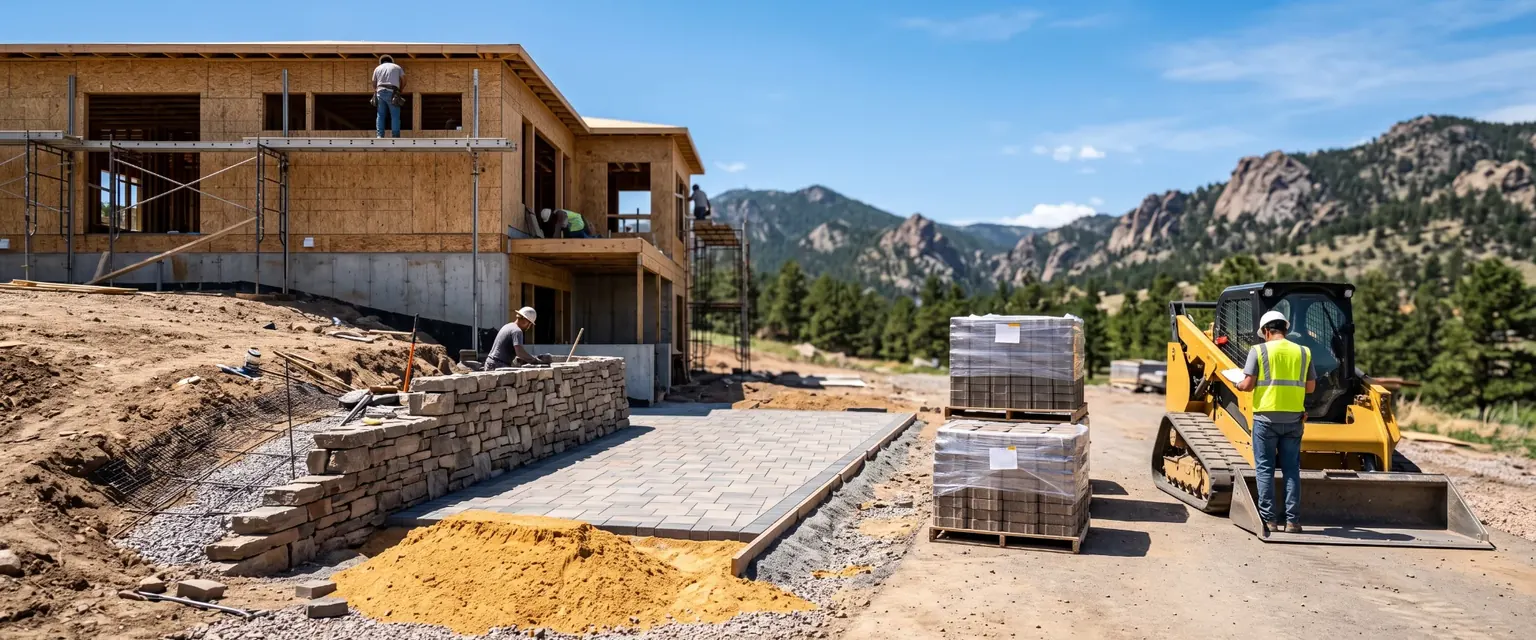
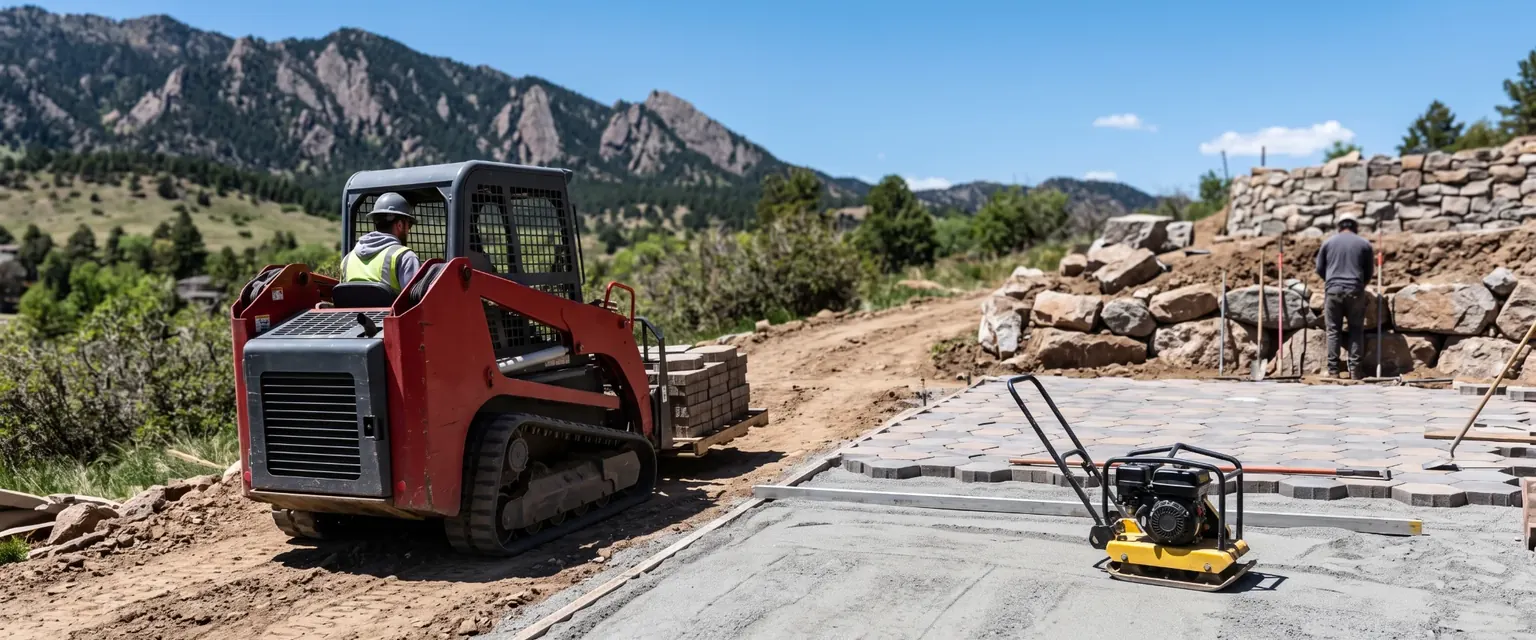
Hardscape and Paver Installer
A retaining wall is the one thing a landscaper builds that can hurt somebody three years after the final payment. Pavers heave, walls lean, and the block stacked on the driveway belongs to you until the owner signs. Here's what a hardscape outfit's policy has to do in Colorado. Hardscape and Paver Installer insurance -
 LANDSCAPING TRADE
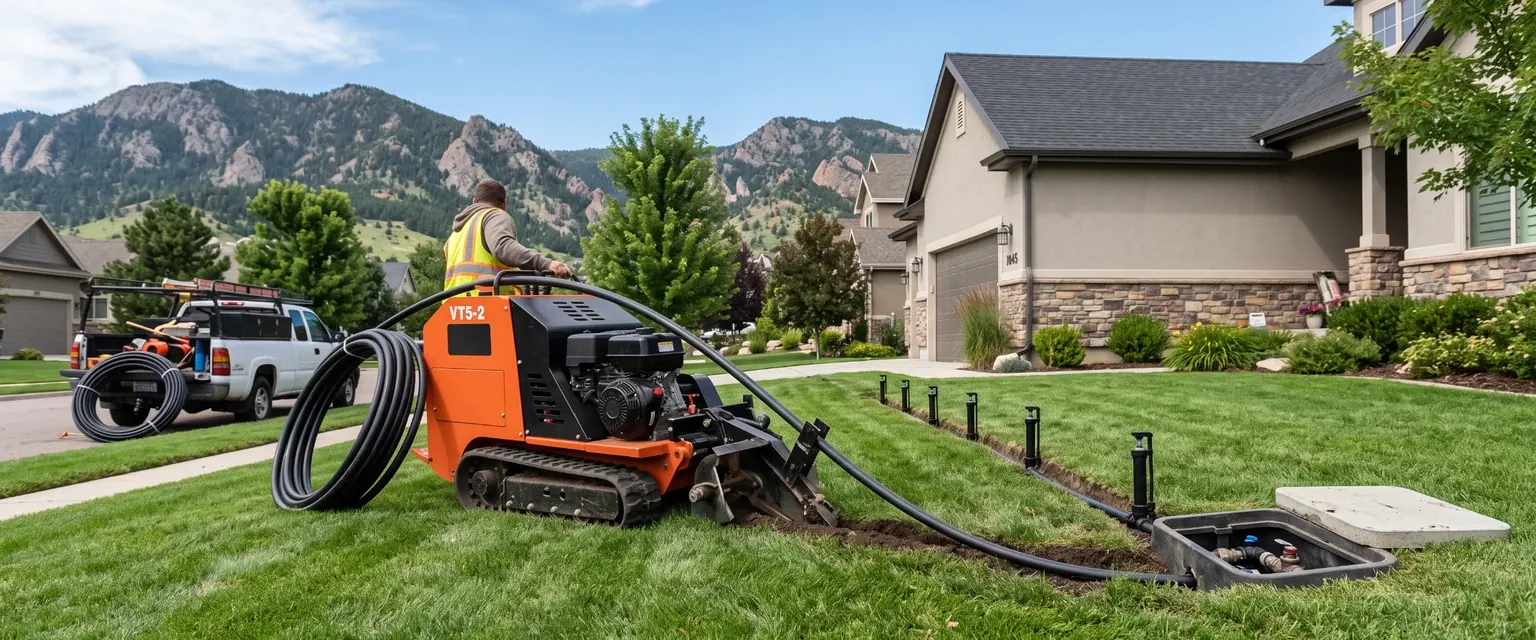
Irrigation Contractor
Irrigation is the landscaping trade that puts water under pressure next to somebody's foundation. Most of your claims are water where it shouldn't be, and the argument is always about which part was your work and which part was the house. Here's how a Colorado irrigation policy has to be built. Irrigation Contractor insurance -
 EXCAVATION TRADE
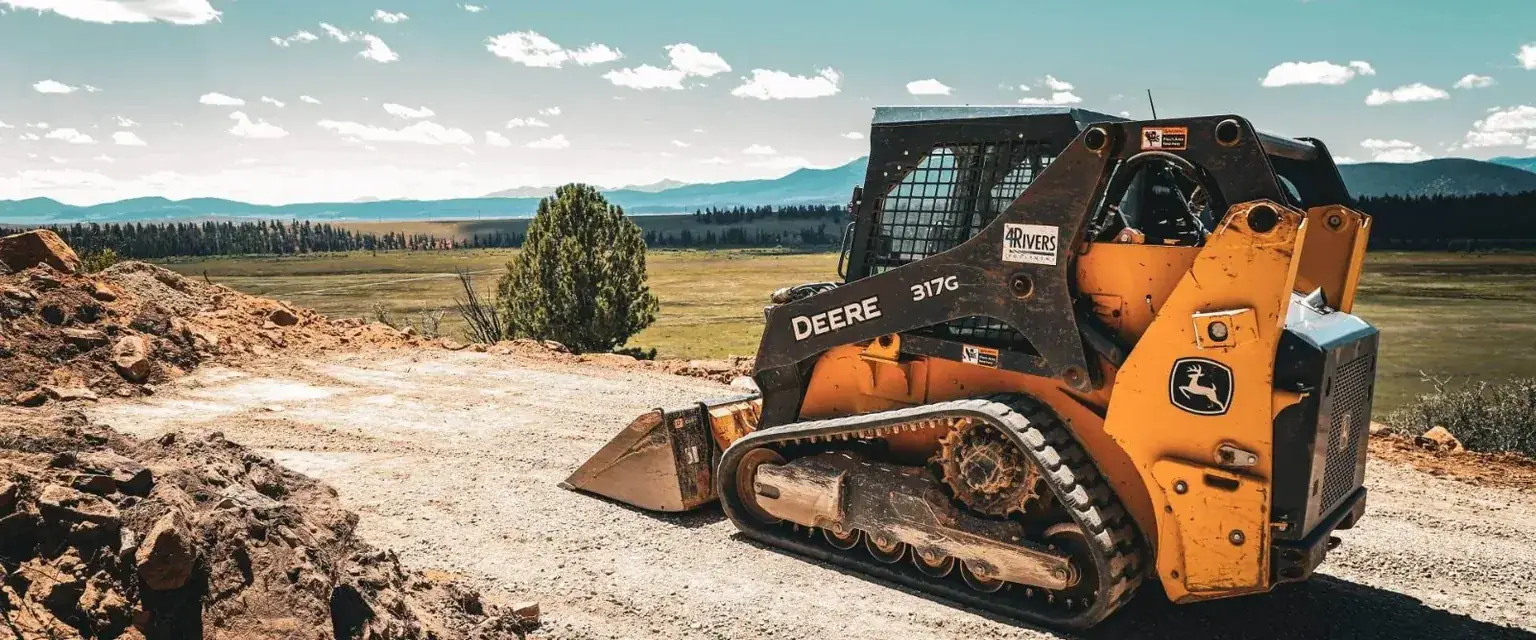
Grading and Site Prep
A pad that drains the wrong way, a wall that bulges after a wet spring, silt in the neighbor's yard after a July storm. Grading claims show up late and argue about who was at fault. Here's what the policy has to do. Grading and Site Prep insurance
What is the difference between builder's risk and an installation floater?
Who buys builder's risk, the owner or the contractor?
Does my contractor's equipment policy cover materials on the job site?
Is theft of materials from the site covered?
When does the coverage stop?
Statutes and numbers on this page last verified September 2, 2026 by a licensed Colorado producer. How we verify.