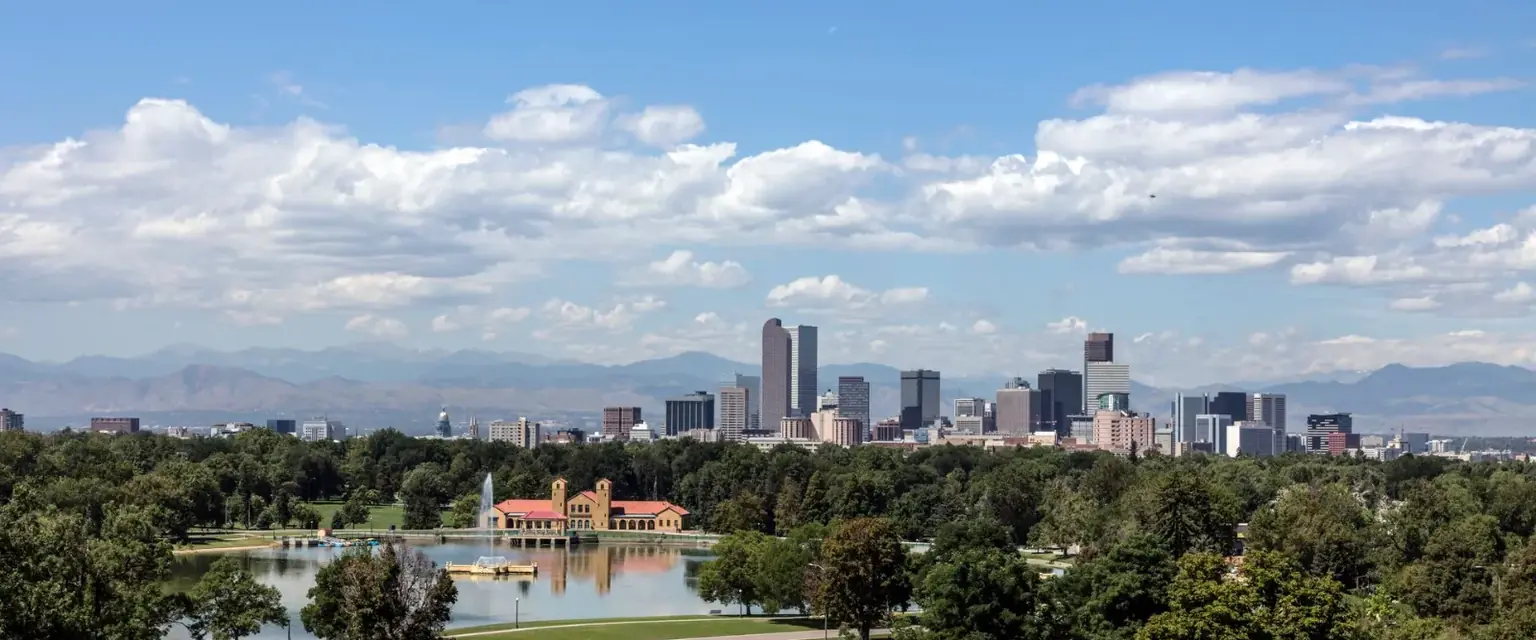
COLORADO · FRONT RANGE
Excavation, Landscaping, and Snow Insurance in Denver
Denver is a licensing city, a permit city, and the densest snow contract market we see in the state. Here's what that does to your policy.
Denver at a glance
- Licensing
- Denver's Community Planning and Development licenses contractors on a supervisor-certificate system, DOTI requires a Street Occupancy Permit on top of any street cut, and as of our last check no landscaping license class exists.
- Ground
- Expansive clay under most of the city, sand and gravel with a high water table along the Platte, and a century of buried fill in the older alleys.
- Snow
- Upslope storms followed by sun and refreeze, a sidewalk rule that gives businesses four hours after a notice, and one-inch commercial triggers with per-push and seasonal contracts side by side.
- Contracts
- Property managers and GCs ask for $1M/$2M with additional insured and a waiver; city, transit, and water-utility work adds an umbrella and permit bonds.
Denver is where the paperwork lives. A crew that runs on a handshake from Bailey to Conifer hits a wall at the city line: the city licenses contractors, permits every street cut twice, and sends an inspector down the sidewalk after a storm. The insurance follows the paperwork. This page covers what we see insuring excavation, landscaping, and snow removal outfits working inside Denver, and what changes the moment you cross into Aurora or drive south to Castle Rock. The statewide picture is on the Colorado hub.
The licensing reality in Denver
Two things to keep separate: the license and the permit.
The license comes from the building department. In Denver, Community Planning and Development issues contractor licenses and certificates, and an applicant must hold (or employ someone who holds) a Denver supervisor certificate, or a state electrical or plumbing license, before applying for a contractor's license. (Denver Community Planning and Development, Contractor Licensing) In practice the person who holds the certificate is the person the city looks at. If your foreman holds it and leaves for a competitor in March, your license has a problem before your policy does.
Landscaping is the gap. Colorado has no state landscape-contractor license (DORA licenses landscape architects only); landscapers answer instead to local business-license, right-of-way, and trade-permit rules that vary by city, and most Front Range building departments do not issue a landscape-specific contractor license. (DORA Division of Professions and Occupations program list; City of Aurora and Denver contractor class lists) As of our last check, Denver’s class list has no landscaping class either, so a crew installing sod, plants, and a paver patio on private property is usually working on a business license and whatever permits the job needs, not a contractor license. Confirm that with CPD before you bid, because the answer changes when the job touches the curb.
The curb is where the right-of-way license starts. Denver's right-of-way contractor license covers constructing or installing water lines, sprinkling systems, fencing, lighting, traffic control devices, or any other object in the public right-of-way not covered by another Denver license, and requires five years of verifiable trade experience with no exam. (Denver CPD, Right-of-Way Licenses (DRMC Arts. 323, 333, 338, 339 referenced)) Sprinkler taps at the sidewalk, a fence on the parkway, a water service across the tree lawn: that’s the ROW license, and five years of experience is the bar. Demolition has its own certificate. Class A: any structure; Class B: up to 30 ft is the split, and the demolition page covers what it means for the GL.
Then the permit. In Denver, a DOTI Street Occupancy Permit is always required in addition to a Street Cut or Construction Permit for work in the public right-of-way. (Denver DOTI Right-of-Way Services, Street Occupancy) DOTI is a separate department from CPD, and the occupancy permit is the one crews forget. The cut permit covers the hole. The occupancy permit covers the truck, the plates, and the cones sitting in the lane. The pages we can reach don’t publish an insurance minimum for a construction street cut, so we won’t quote one. DOTI states it on the application, and the certificate request that follows is where we come in.
Utility strikes don’t change at the city line. Colorado law requires notice to Colorado 811 at least two business days before excavating, not counting the day you call (C.R.S. 9-1.5-103(3)(b)); Colorado 811 phrases the same window as three full business days, so a Monday call means a Thursday dig. (C.R.S. 9-1.5-103(3)(b)) Denver’s alleys are where the marks disappear fastest, under a week of delivery trucks and trash pickups.
Terrain and soil
Most of Denver sits on expansive clay. Enough that a trench in Park Hill stands for two dry days and sloughs after one afternoon storm, and a block retaining wall in Washington Park leans in its third spring if the drain rock got skipped. Wet, the clay swells and grabs the bucket. Dry, it shrinks and cracks.
Along the South Platte and Cherry Creek the story flips. Sand and gravel, easy digging, and a water table you can find a few feet down in a wet year. Dewatering a basement dig in Globeville or Overland is a real line item, and the discharge has to go somewhere that won’t become a complaint.
Then there’s the old fill. The alleys in Five Points, Baker, and the Highlands carry a century of bricks, ash, cinders, and abandoned foundations. A Yanmar mini skid steer is the machine for most of those alley yards because a mid-size excavator won’t clear the gate.
What it does to the insurance: completed-operations exposure on walls and patios built into clay, dewatering as a pollution question, and an equipment schedule that lists the small machines, because the theft off a Denver alley job happens to the mini skid steer and the plate compactor, not the excavator.
Snow, and what the contracts trigger
Denver snow comes upslope out of the northeast, dumps, and then the sun comes out. That’s the whole risk in one sentence. Every lot you cleared at 4 a.m. melts at noon and refreezes at dusk, and the slip-and-fall claims come from the refreeze, not the storm. March and April bring the heavy wet ones that snap branches and bury a plow truck with a Western blade on a lot that was bare the day before.
The sidewalk rule is a city rule, and it writes the commercial contract for you. Denver requires businesses to begin clearing sidewalks immediately after snow stops and residences to clear by the next day; after a written notice, businesses get four hours and residences 24 hours before re-inspection and a possible $150 fine. (Denver DOTI Snow Removal page; DRMC § 49-551 (Cleaning sidewalks)) Businesses begin immediately, not by morning. That’s why Denver commercial contracts read the way they do: one-inch triggers, sidewalk and ADA ramp language, and a hotline somebody answers at 2 a.m. HOA contracts out in Green Valley Ranch and Central Park usually run a two-inch trigger and argue about whether driveway aprons are included.
Per-push versus seasonal: seasonal wins with office-park managers who want one invoice; per-push wins with HOA boards that had a light winter last year and remember it. The middle ground, a seasonal base with a per-event add-on past a stated total, is what the larger Denver managers ask for now.
Colorado’s snow law matters here. Colorado's Snow Removal Service Liability Limitation Act (C.R.S. 13-21-129, effective August 8, 2018) voids any snow-and-ice contract clause that requires one party to indemnify, hold harmless, or defend the other for the other party's own acts or omissions, but only where the service provider was prohibited, by the contract or in writing, from mitigating the specific snow or ice event at issue. (C.R.S. 13-21-129(3), (4); SB 18-062) It doesn’t void the whole indemnity clause, and it only helps if the manager told you in writing not to treat. Your service logs are still your defense. The commercial snow and ice page goes deeper.
Contract norms we see here
Denver is a property-manager and GC market. The general liability ask is $1M per occurrence and $2M aggregate on nearly every commercial landscape or snow contract, with the manager and owner as additional insured, primary and non-contributory wording, and a waiver of subrogation on the workers’ comp.
City, transit, and water-utility work is a different tier. DOTI, the transit district, and the water utility each carry their own insurance section, an umbrella ask that starts where the GL stops, and permit or performance bonds. Those figures come from the bid documents, not a statute, so we don’t publish them. The umbrella and excess page explains how the tower has to sit over both the auto and the GL, which is where Denver bids get bounced.
What we don’t control: the carrier’s read of a Denver indemnity clause. Send it before you sign.
Nearby
We work with contractors from Lakewood, Arvada, Westminster, Thornton, Englewood, Littleton, Wheat Ridge, and Commerce City, most of whom cross into Denver every week with the city’s permits in the glove box. East of Peoria, Aurora has its own contractor classes and its own bond on right-of-way work. South down I-25, Castle Rock and Douglas County is where the clay gets serious and the county registers contractors instead of licensing them.
Where to go from here
Already insured for Denver work? Send the dec pages and your worst contract to the policy review and we’ll check the additional insured forms, the snow endorsement, and whether the umbrella sits over the plow trucks. Starting fresh? Get Insured lists what to have ready. No online quote. A Denver book is built around which permits you pull and who sends the certificate requests.
Serving businesses located in Colorado. Coverage is determined by the policy language and the carrier.
Trades
Trades common in Denver.
-
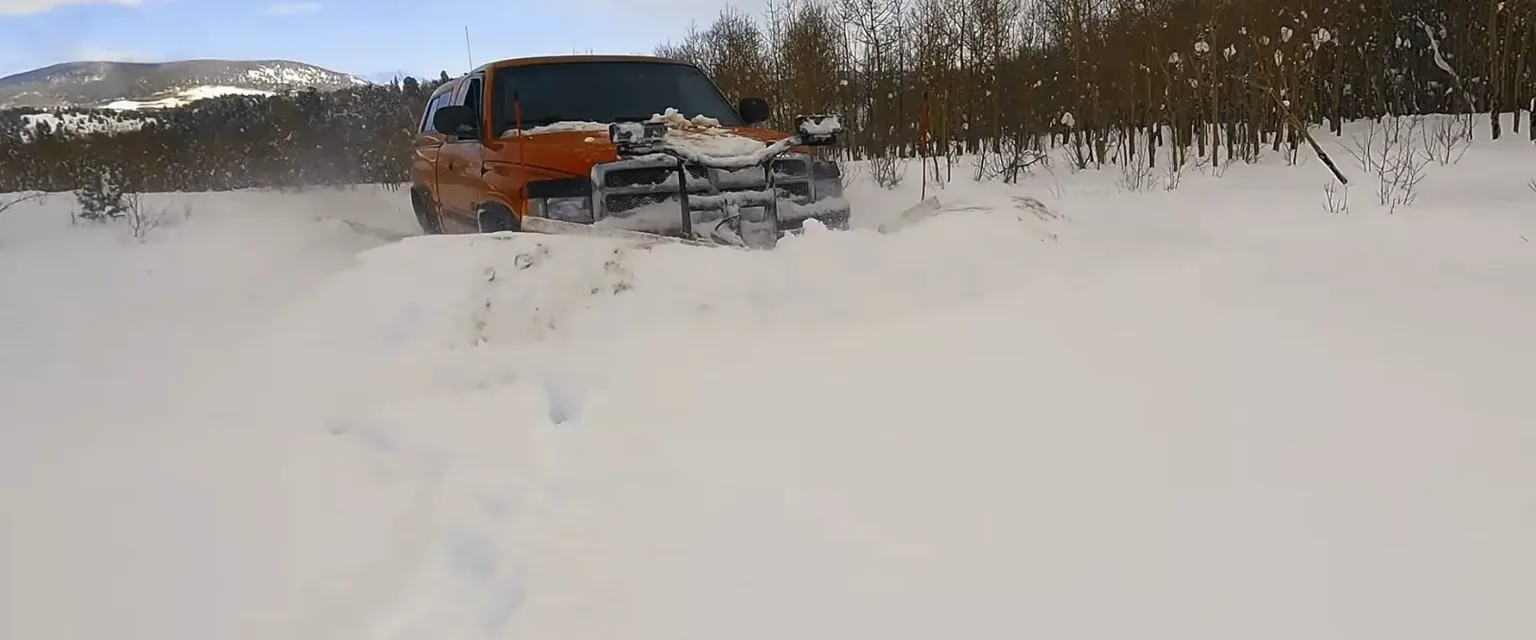 SNOW TRADE
Commercial Snow and Ice Management
Commercial snow is a contract business first and a plowing business second. The lot, the log, and the indemnity clause decide the claim. Here's what a Colorado commercial snow and ice policy has to do, from an agency that runs a pusher box on commercial lots above 9,000 feet. Commercial Snow and Ice Management insurance -
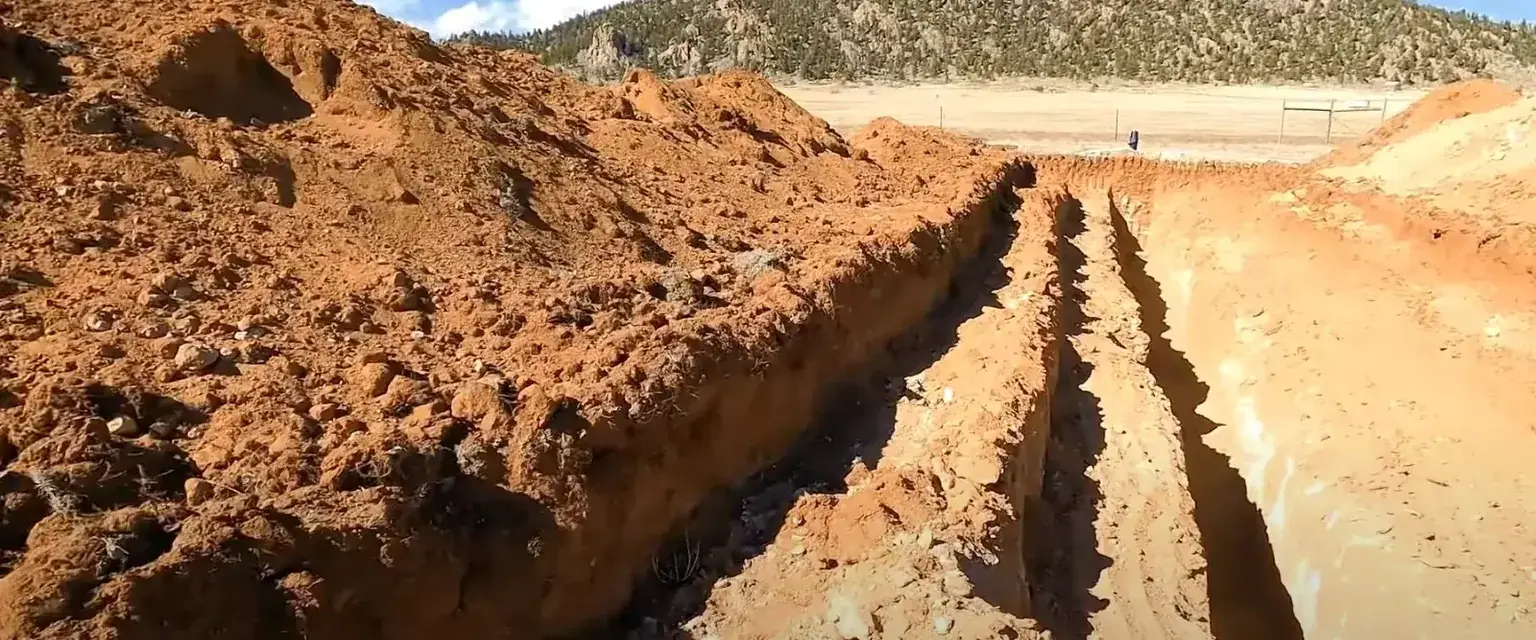 EXCAVATION TRADE
Utility Trenching
You hit a gas line. Here's who pays, and what your policy has to say for the carrier to be in the conversation. Trenching is the excavation trade where the law, the locate ticket, and the GL form all show up on the same claim. Utility Trenching insurance -
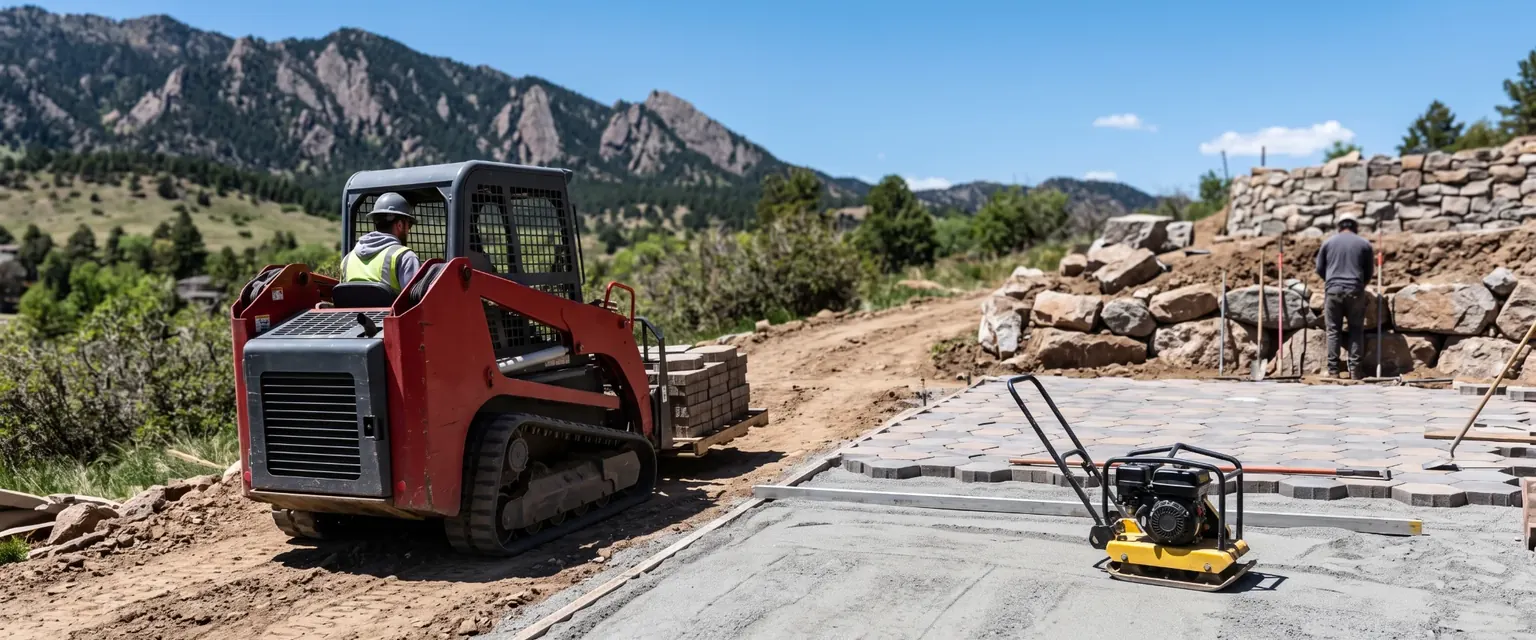 LANDSCAPING TRADE
Hardscape and Paver Installer
A retaining wall is the one thing a landscaper builds that can hurt somebody three years after the final payment. Pavers heave, walls lean, and the block stacked on the driveway belongs to you until the owner signs. Here's what a hardscape outfit's policy has to do in Colorado. Hardscape and Paver Installer insurance
Do landscapers need a contractor license in Denver?
What permits do I need to cut a Denver street for a water service?
What insurance does a Denver HOA or property manager ask a snow contractor for?
Statutes and numbers on this page last verified September 2, 2026 by a licensed Colorado producer. How we verify.