COVERAGE
Pollution Liability for Colorado Contractors
A hydraulic hose lets go and thirty gallons run into a storm inlet. Brine off a plow lot kills the HOA's turf. Herbicide drifts onto the neighbor's crop. Your general liability policy excludes all three under most forms. This is the policy that answers.
Pollution liability
What it typically does, and what it does not.
What it typically does
- Cleanup costs when fuel, hydraulic oil, or another pollutant leaves your machine and lands on someone else's property or in a waterway
- Bodily injury and property damage to third parties caused by a pollution condition from your operations
- De-icer and brine runoff, herbicide and pesticide drift, and effluent from a failed septic system you installed, under most contractor's pollution forms
- Pollutants you haul, such as contaminated spoils or fuel, while in transit, when the form includes transportation
- Defense costs when a spill turns into a suit, inside or outside the limit depending on the form
- Emergency response costs in the first hours after a release, on forms that include them
What it does not do
- Conditions you knew about before the policy started are excluded; that is what a site assessment and honest disclosure are for
- A leaking tank in your own yard is excluded on a contractor's form; that is what site pollution or tank coverage is for
- Commission fines and regulatory penalties are excluded under most forms; that is your pocket, while the cleanup and the neighbor's damage are the claim
- Damage to the machine that leaked is excluded; that is what contractor's equipment (inland marine) is for
- Injuries to your own crew from a release are excluded; that is what workers' compensation is for
- Deliberate dumping is excluded; that is what a hauling manifest and a permitted disposal site are for
Who needs it
- Septic installers, because a failed system is a pollution claim by definition
- Anyone who fuels, greases, or repairs machines on a job site, which is every excavation and grading crew
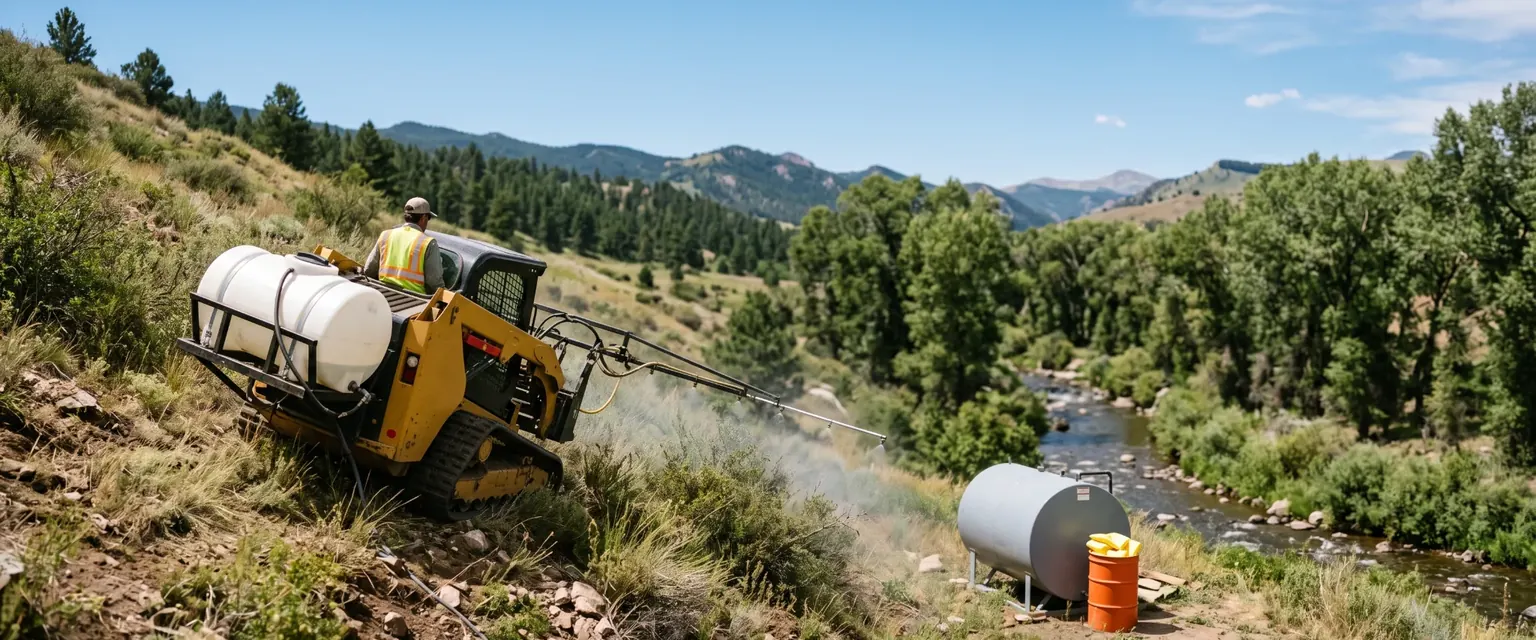
- Landscapers who apply herbicide, fertilizer, or pesticide, licensed or not
- Snow contractors who stockpile salt and brine on a customer's lot
- Anyone whose GC or municipal contract asks for contractor's pollution liability by name
Descriptions say what a coverage typically does; your policy form controls.
Most contractors find out about the pollution exclusion the day they need it not to exist. The general liability policy that pays when your bucket hits a gas line will not pay when your saddle tank drains into a creek, under most standard forms. Same machine, same job, different policy. Here’s what contractor’s pollution liability typically does on a Colorado job, what it doesn’t, and why the license requirement for a spray route is met by a policy that won’t pay a spray claim.
What it does on your job
Start with the release. A grading crew is stripping a pad in Castle Rock and a hydraulic hose on a mid-size excavator lets go next to a storm inlet. Thirty gallons of oil run down the curb, into the inlet, and out to a detention pond a block away. The owner wants the pond cleaned, the city wants a report, and the HOA downstream wants to know why its fountain has a sheen. Under most contractor’s pollution liability (CPL) forms, that’s the claim: cleanup, the third-party damage, and the lawyer if it goes that way.
Same policy, different trade. A commercial snow crew stockpiles brine and bagged de-icer at the back of an HOA lot in Highlands Ranch. Spring melt carries it into the turf and the pond, and the landscape bill lands on the plow contractor. A spray technician on a lawn route east of Greeley applies broadleaf herbicide with wind on the plains at his back and the neighbor’s garden and a row of young trees go brown a week later. A septic installer sets a system in bentonite near Bailey. Eighteen months on, the clay has moved, the field is surfacing effluent, and the neighbor’s well tests bad. All pollution under the GL definition. All what CPL is written for, subject to the limits and the policy language.
Two things to keep separate in your head: contractor’s pollution and site pollution. CPL follows your operations wherever the machine goes. Site pollution covers a place you own or lease, the yard with the fuel tank in it. Most outfits in our three trades need the first. A few need both.
Then there’s the GL buyback. Some general liability forms carry a hostile-fire exception (smoke from a fire that got away from where it belonged) or a time-element endorsement that brings back a sudden release you discover and report inside a short window. Those help. They do not touch a gradual condition, and most pollution claims in the ground are gradual.
What it does not do
- Known conditions. A problem you knew about before the policy started is excluded under most forms. What is covered: a release that starts, or is discovered, on your watch. If you have a history, tell us before the application goes in.
- Your own yard. A contractor’s form typically excludes pollution at a location you own or lease. That’s site pollution liability, or a separate tank policy if the exposure is one underground tank.
- Fines. Commission fines and regulatory penalties are excluded under most forms. What is covered is the cleanup and the neighbor’s damage. The fine is yours.
- The machine. The excavator that leaked is contractor’s equipment. CPL pays for what the leak did, not for the hose.
- Your crew. An operator who breathes something he shouldn’t have is workers’ compensation.
- Deliberate dumping. Spoils hauled to an unpermitted site are not a covered claim. Hauling with a manifest to a permitted site that later fails is what non-owned disposal site coverage is for.
- The hit itself. The gas line you struck is still general liability. CPL picks up the fuel that ran out of the line and into the ground, if the form is written that way. The two policies meet at that seam and the policy language controls which one answers first.
Who needs it
Anyone who carries fuel to a job. That’s every crew under our excavation hub and most of the ones under landscaping and snow removal. Septic installers first, because a failed system is a pollution claim by definition and the completed-operations tail runs for years. Spray routes second, licensed or not. Then anyone who stockpiles salt on a customer’s lot, hauls contaminated spoils, or signs a contract that lists contractor’s pollution liability by name. A one-person outfit with a Bell haul truck and a transfer tank in the pickup has the exposure. Crew size doesn’t change it.
How it’s rated
No premium figures here. What moves the number:
- What you do. Septic, utility, and demolition rate above driveways and sod. Pesticide application rates on its own line.
- Revenue and payroll. The base most carriers start from.
- Fuel on site. Transfer tanks, service trucks, and how much diesel sits on a lot overnight.
- Form. Occurrence costs more than claims-made. Transportation and non-owned disposal site coverage each add.
- Limits and deductible. $1M/$2M is the common ask; the deductible is the other lever, and a higher one changes what the carrier charges and what you carry yourself.
- Loss runs. A cleaned-up spill with a report reads differently from one the neighbor found.
Colorado notes
The spray license doesn’t require pollution coverage. Under C.R.S. 35-10-106(1)(a), a Colorado commercial pesticide applicator business must carry liability insurance of at least $400,000 (a policy with a pollution exclusion still qualifies) with ten days' cancellation notice to the Commissioner of Agriculture. (C.R.S. 35-10-106(1)(a); 8 CCR 1203-2) Read that twice. The license is satisfied by a GL policy that carries the exclusion, so the state requirement and the herbicide drift claim never meet. Pollution liability is the policy that pays the drift.
Stormwater is a pollution exposure. Construction that disturbs one acre or more, or is part of a larger common plan of development or sale that will disturb one acre or more, needs coverage under CDPHE's COR400000 Construction Stormwater General Permit (or a CDPHE-qualified local program for sites between one and five acres). (CDPS General Permit COR400000 (effective April 1, 2024)) Sediment leaving a site is a pollutant in the eyes of the permit, and a washed-out silt fence on a pad in expansive clay is how a grading job becomes a pollution claim.
Septic licensing is local. Colorado's OWTS Act (C.R.S. 25-10-109) and Regulation 43 (5 CCR 1002-43 § 43.4.K) let each local board of health license septic "systems contractors," and working without that license where a county has adopted licensing rules is a violation, so installers must hold whatever license the local public health agency requires. (C.R.S. 25-10-109(1); 5 CCR 1002-43 §§ 43.3, 43.4.K, 43.4.Q) The license gets you the permit. It doesn’t insure the system. The failed field is a CPL claim years after the inspection passed.
Contract language you’ll see
- “Contractor’s pollution liability, $1,000,000 per claim.” Usually with an aggregate to match. Some public contracts ask for $2M on both.
- “Occurrence basis, or claims-made with a retroactive date no later than the contract date.” The second half is the one people miss. A new claims-made policy with today’s retro date doesn’t cover the job you finished last year.
- “Including transportation and non-owned disposal sites.” Hauling spoils and dumping them are separate coverages on most forms.
- “Additional insured, primary and non-contributory.” Same requests as GL. Available on most CPL forms by endorsement.
- “Mold and microbial matter.” Some contracts want it in. Some forms sublimit it. Ask before you sign.
- “Combined GL and pollution form.” A few carriers write both on one policy. Fine, as long as the pollution side isn’t a buyback with a discovery clock.
Where to go from here
If you carry GL and nothing else, send us the dec page for a policy review and we’ll find the pollution exclusion and any buyback on the schedule. Starting fresh? Get Insured lists what to have ready. The umbrella may or may not sit over a pollution policy, so read that page before you assume it does.
Serving businesses located in Colorado. Coverage is determined by the policy language and the carrier.
Terms on this page: pollution exclusion, contractors pollution liability, site pollution liability, time element pollution, hostile fire exception, claims made, retroactive date, occurrence, non owned disposal site, transportation pollution. Full glossary.
Who carries it
Trades that carry this coverage.
-
 EXCAVATION TRADE
Septic Installer
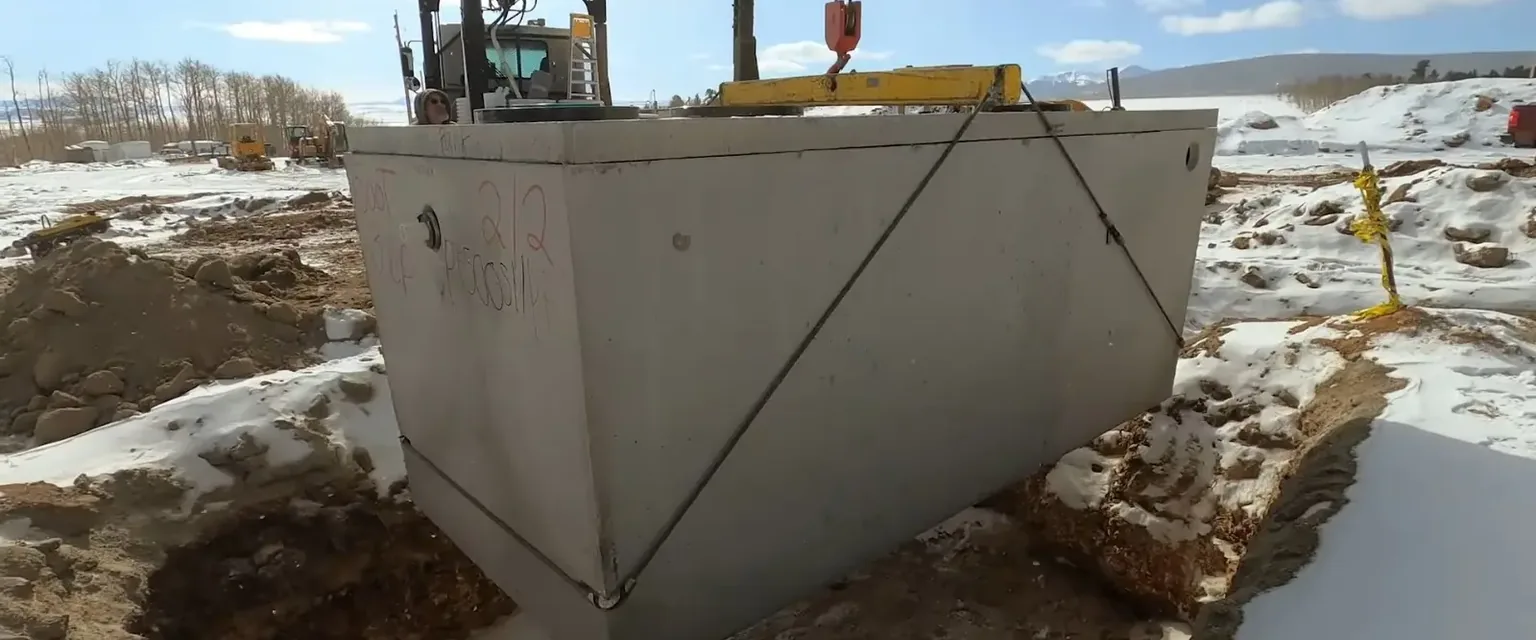
The tank is in, the county signed off, and the customer paid. Your exposure on that system runs for years after that. Here's what a septic installer's policy has to do in Colorado, and where the standard forms fall short. Septic Installer insurance -
 LANDSCAPING TRADE
Lawn Care and Maintenance
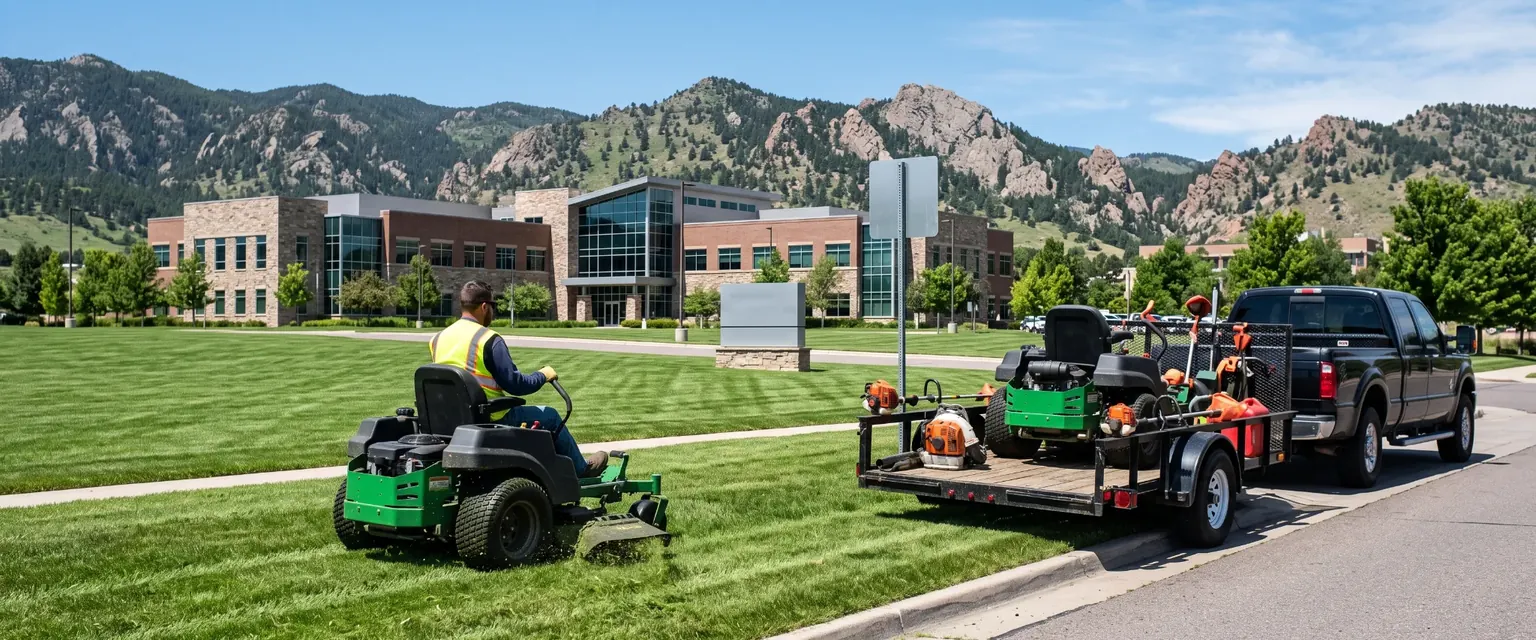
Maintenance is the landscaping trade with the most claims per dollar of revenue. Not the biggest claims. The most. Here's what a Colorado lawn care policy has to catch, from rock-throw to the plow you put on the same truck in November. Lawn Care and Maintenance insurance -
 SNOW TRADE
Commercial Snow and Ice Management
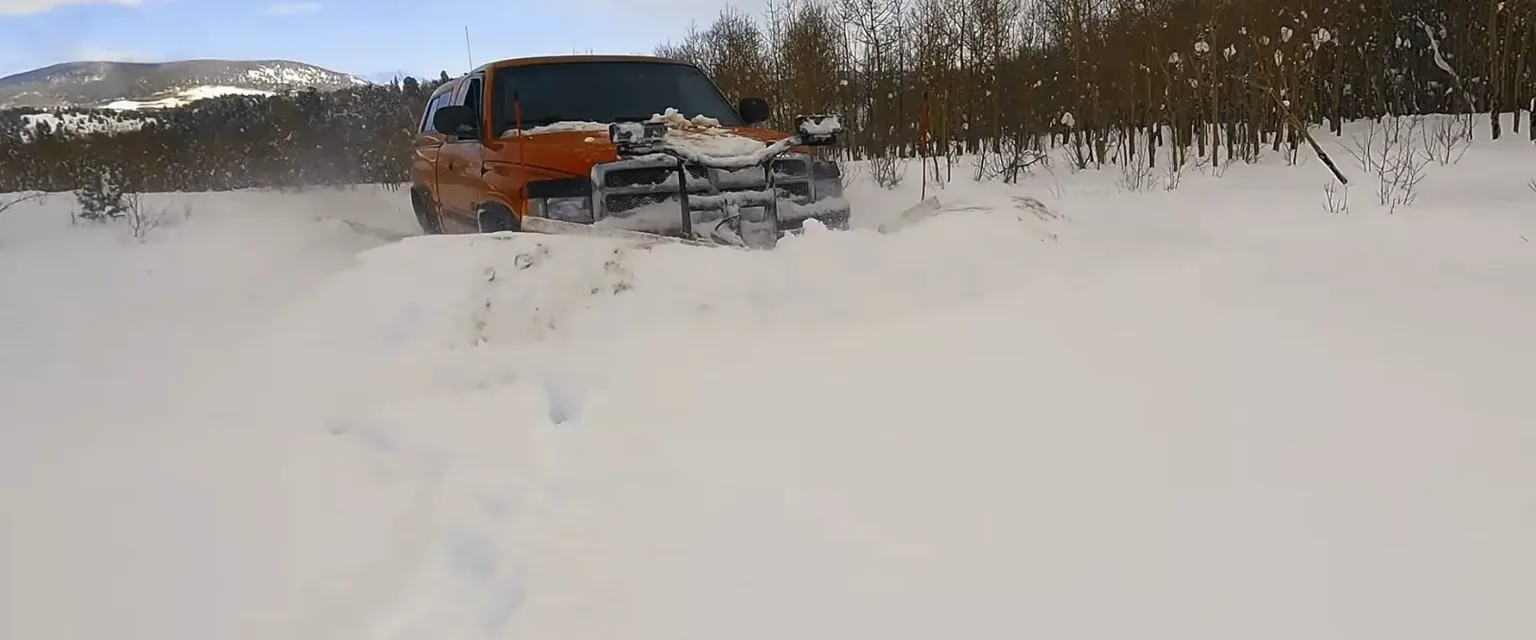
Commercial snow is a contract business first and a plowing business second. The lot, the log, and the indemnity clause decide the claim. Here's what a Colorado commercial snow and ice policy has to do, from an agency that runs a pusher box on commercial lots above 9,000 feet. Commercial Snow and Ice Management insurance
Doesn't my general liability policy cover a fuel spill?
What is the difference between contractor's pollution liability and site pollution liability?
Occurrence or claims-made for pollution?
Do I need pollution coverage to hold a Colorado pesticide applicator license?
Does pollution liability pay CDPHE or 811 commission fines?
Statutes and numbers on this page last verified September 2, 2026 by a licensed Colorado producer. How we verify.