COVERAGE
Workers' Compensation for Colorado Contractors
Colorado requires it at one employee. Part-time counts. Your brother-in-law counts. Here's what the policy does when someone gets hurt in a trench, how the crew gets rated, and how not to get surprised at audit.
Workers' compensation
What it typically does, and what it does not.
What it typically does
- Medical treatment for an employee hurt on the job, with no fault question
- A portion of lost wages while the employee is off work
- Permanent impairment and death benefits under the state schedule
- Employer's liability, for the lawsuit that comes around the no-fault system
- Seasonal, part-time, and family employees, because Colorado counts them
What it does not do
- Injuries to the public are excluded; that is what general liability is for
- An uninsured subcontractor's crew is not on your policy by choice; that is what collecting subcontractor certificates is for
- The owner is excluded when you elect out; that is what owner inclusion or a personal disability policy is for
- Damage to the machine the employee was running is excluded; that is what contractors equipment is for
- A wreck in a business truck is a comp claim for the driver only; that is what commercial auto is for on the other car
- Claims above the employer's liability limit are excluded; that is what an umbrella is for
Who needs it
- Every Colorado contractor with one or more employees, full-time, part-time, seasonal, or family
- Owner-operators who sub for a GC, because the GC will require a certificate or a signed exclusion
- Anyone using subcontractors who cannot produce their own certificate
Descriptions say what a coverage typically does; your policy form controls.
Workers’ comp starts at one employee in Colorado. Not one full-time employee. One. The seasonal laborer you hired in May, the cousin who runs the plow truck on weekends, the part-timer who mows on Fridays. The law counts all of them, and so does the claim when one of them gets hurt. Here’s what the policy typically does, how a dirt or landscape crew gets rated, and what the audit is going to ask for.
What workers’ comp does on your job
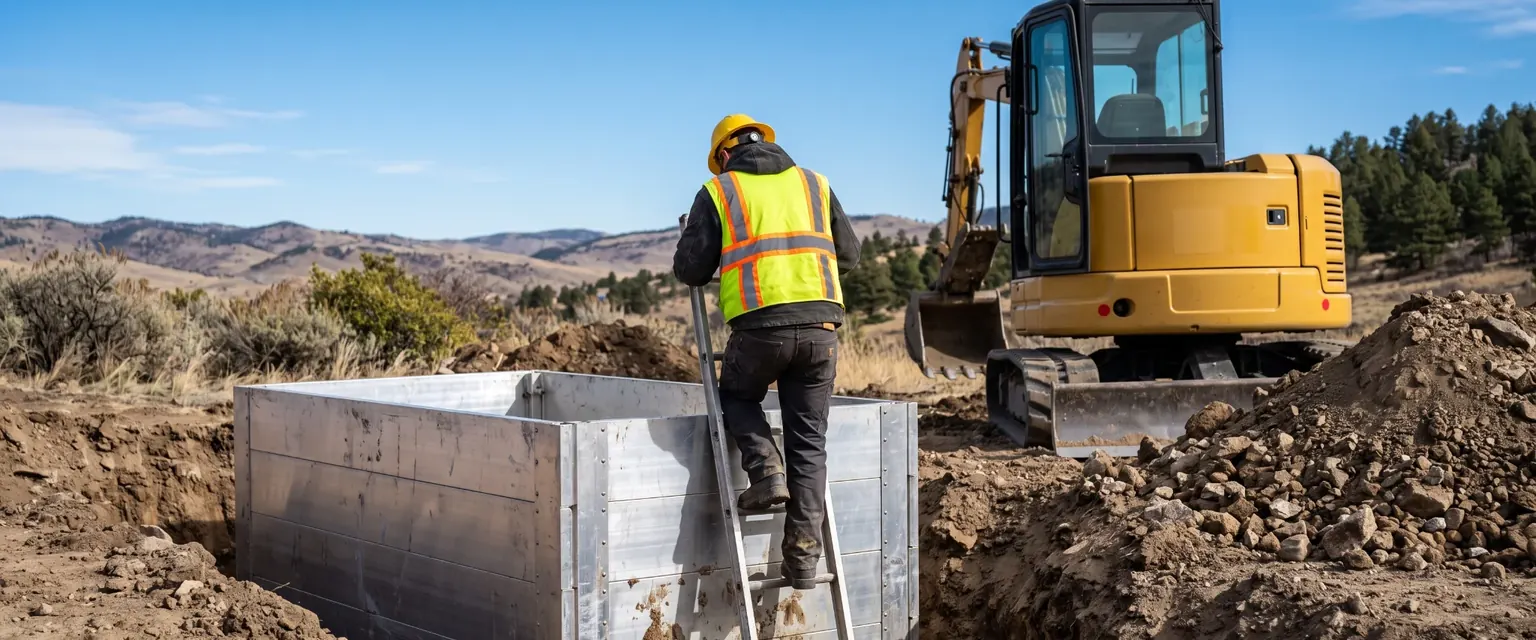
Start in the trench. A utility trenching crew is setting pipe in expansive clay in Aurora. The sidewall lets go and a laborer takes it on the leg. He goes to the ER, has surgery, and is off work for four months. Under Colorado’s system that’s a workers’ compensation claim: medical treatment, a portion of his wages while he’s out, and a scheduled benefit if the leg never comes all the way back. No fault question. Whether the trench box was in doesn’t change what he’s paid, though it matters a great deal to everyone else.
Same policy, different trade. A tree crew member in Boulder catches a kickback from a saw. A lawn crew employee in Pueblo goes down with heat illness on a July afternoon. A plow driver on a 3 a.m. route in Frisco slides off the road and breaks a wrist. All employees hurt in the course of work. All comp, subject to the state’s rules and the policy language.
Two things to keep separate: the comp side and the employer’s liability side. Comp is the no-fault system that pays the employee. Employer’s liability is the second part of the same policy, and it responds when someone sues you around the no-fault system, like a spouse’s claim or a third party who paid the employee and wants it back from you. Contracts and umbrella underwriters care about those limits. Most contractors have never read them.
What it does not do
- The public. A homeowner who trips over your hose is not your employee. That’s general liability.
- An uninsured sub’s crew, by your choice. If your sub has no coverage and one of their guys gets hurt on your job, the injured worker and the carrier’s auditor both come looking for you. A certificate from every sub before they start is the fix.
- The excluded owner. If you elect out and you get hurt, the policy doesn’t pay you. That’s a personal disability policy, or owner inclusion.
- The machine. The excavator that rolled with the operator in it is contractors equipment. The operator is comp.
- The other car. A driver who wrecks the dump truck is a comp claim. The people in the car he hit are commercial auto.
- Above the employer’s liability limit. A large employer’s liability suit can pass the limit on the policy. That’s what an umbrella is for, and it’s why the umbrella underwriter asks for the comp dec page.
Who needs it
Every contractor under excavation, landscaping, and snow removal with a single employee. The outfits that get caught: the landscape crew that hires two seasonal laborers in April and plans to sort out comp later, the plow operator paying a friend cash for the overnight route, and the owner-operator who took on a helper for one septic job near Bailey. Owner-operators with no employees don’t need it by law, but a GC will typically require a certificate or a signed owner exclusion before you unload.
How it’s rated
No dollar figures. The drivers:
- Payroll by class code. The big one. Each NCCI class carries a rate per hundred dollars of payroll. Excavation rates above landscaping, which rates above lawn maintenance, which rates above office.
- Class assignment. Payroll you can’t split lands in the highest-rated class on the policy. Records that show who operated, who drove, and who answered the phone matter.
- Experience modifier. Once you’re big enough to have one, your loss history versus outfits like yours. Frequency hurts more than one severe claim.
- Owner inclusion or exclusion. Excluded owners come off the payroll base.
- Subcontractor use. Subs with certificates are not your payroll. Subs without are.
- Employer’s liability limits. Raising them above the statutory minimum is usually inexpensive.
The experience mod you can’t change this year. The payroll records and the sub certificates you can change this week.
Colorado notes
The trigger. Colorado employers must carry workers' compensation insurance as soon as they have one or more employees, whether part-time, full-time, or family members (C.R.S. 8-40-203(1)(b), 8-44-101); the state can fine an uninsured employer up to $500 for every day without coverage. (C.R.S. 8-40-203(1)(b); 8-44-101; 8-43-409) The law doesn’t say “seasonal.” It says employees. A May-to-October laborer is an employee from the first shift.
Class codes. Landscaping contractors are typically rated under NCCI code 0042 (Landscape Gardening & Drivers; lawn maintenance under 9102), excavation under 6217 (Excavation & Drivers), tree work under 0106 (Tree Pruning), and stand-alone snow-clearing under 9402 (Street Cleaning & Drivers); the carrier makes the final assignment under NCCI rules. (NCCI Scopes Manual) [VERIFY] The carrier assigns the code, not you, and the assignment turns on what the crew actually does. An outfit that mows in summer and plows in winter can carry more than one code. Keep the records that prove the split.
Pinnacol. Pinnacol Assurance, a state-created political subdivision that operates as a mutual insurer, may not refuse to insure any Colorado employer because of risk or premium size (C.R.S. 8-45-101(5)(f)), which is why agents call it the carrier of last resort. (C.R.S. 8-45-101(1), (5)(f)) [VERIFY] That duty is why a new outfit with no loss history can always get a policy in Colorado. It isn’t the only option. Private carriers write contractors too, and which one fits depends on your loss runs, class mix, and payroll size. Ask us for the current picture before you assume anything about it.
Subcontractors. Colorado’s statutory-employer rules can put an uninsured sub’s injured worker on your policy and their payments on your audit. The fix is a certificate on file before the sub starts, checked for the policy dates, and re-collected at renewal. For a one-person sub with no employees, ask what owner exclusion paperwork the carrier will accept instead.
Contract language you’ll see
- “Workers’ compensation, statutory limits, State of Colorado.” Statutory means whatever Colorado’s benefit schedule says. There is no limit to choose on the comp side.
- “Employer’s liability, $500,000 / $500,000 / $500,000.” Each accident, disease per policy, disease per employee. Some GC and municipal contracts ask for $1,000,000 on each. This is the line umbrella underwriters check.
- “Waiver of subrogation in favor of the GC.” Your carrier agrees not to chase the GC after paying your employee’s claim. Usually a blanket endorsement, priced as a small percentage of premium.
- “Certificate of insurance prior to commencement of work.” Proof before you unload, re-checked at your renewal.
- “Subcontractor shall provide evidence of workers’ compensation or a signed exclusion.” The same request, flowing downhill to your subs. Make it before they start.
The certificates page covers how these go out and how fast. Usually the same business day. It depends on the carrier and what the holder is asking for.
Where to go from here
If you have a policy, send us the dec page and last year’s audit worksheet. That’s the policy review, and the audit worksheet tells us more about your operation than the application does. Starting fresh? Get Insured lists what to have ready: payroll by task, entity type and owners, sub list, and the insurance section from your biggest contract. The GC’s certificate request will ask for this and general liability on the same form, so read that page next.
Serving businesses located in Colorado. Coverage is determined by the policy language and the carrier.
Terms on this page: class code, experience mod, premium audit, employers liability, owner exclusion, statutory employer, waiver of subrogation, certificate of insurance, governing class. Full glossary.
Who carries it
Trades that carry this coverage.
-
 LANDSCAPING TRADE
Tree Service
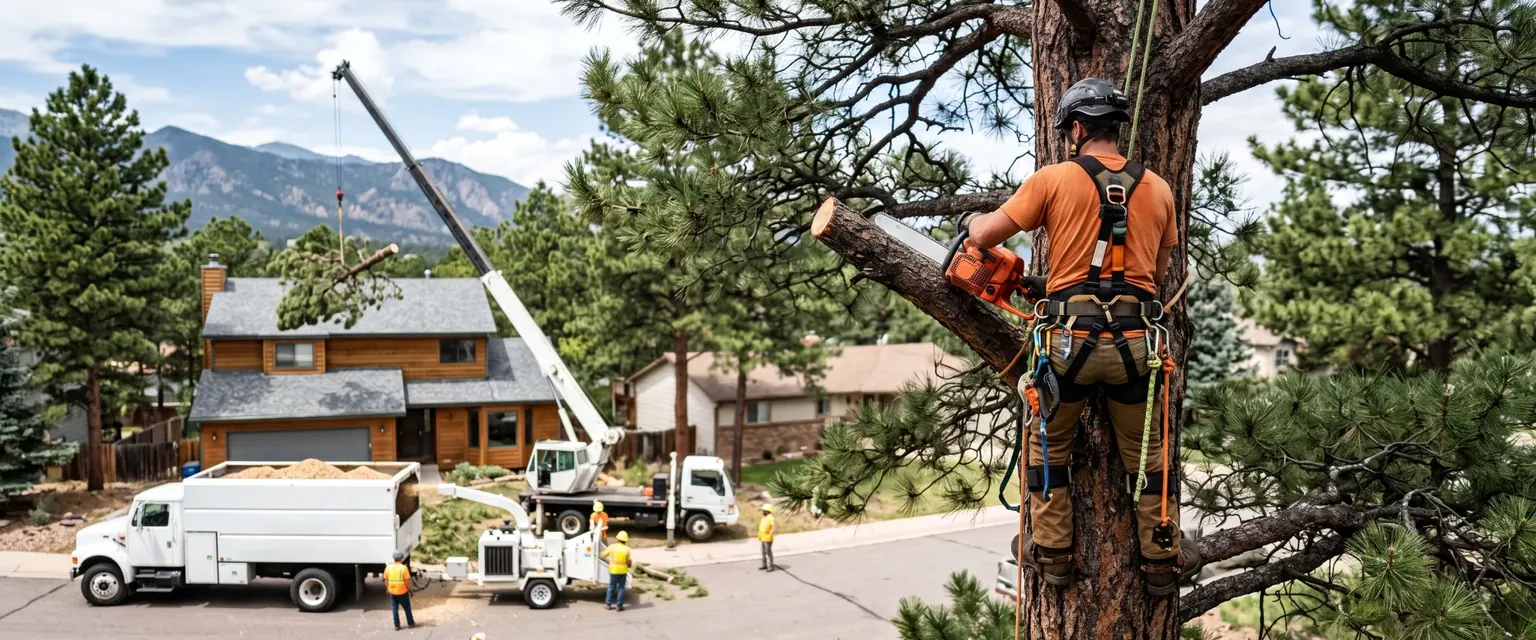
Tree work is the landscaping trade carriers are most careful with, and the one landscapers most often do without telling anyone. Here's what a Colorado tree service policy has to cover, and why the honest answer starts with whether a carrier will write it at all. Tree Service insurance -
 LANDSCAPING TRADE
Lawn Care and Maintenance
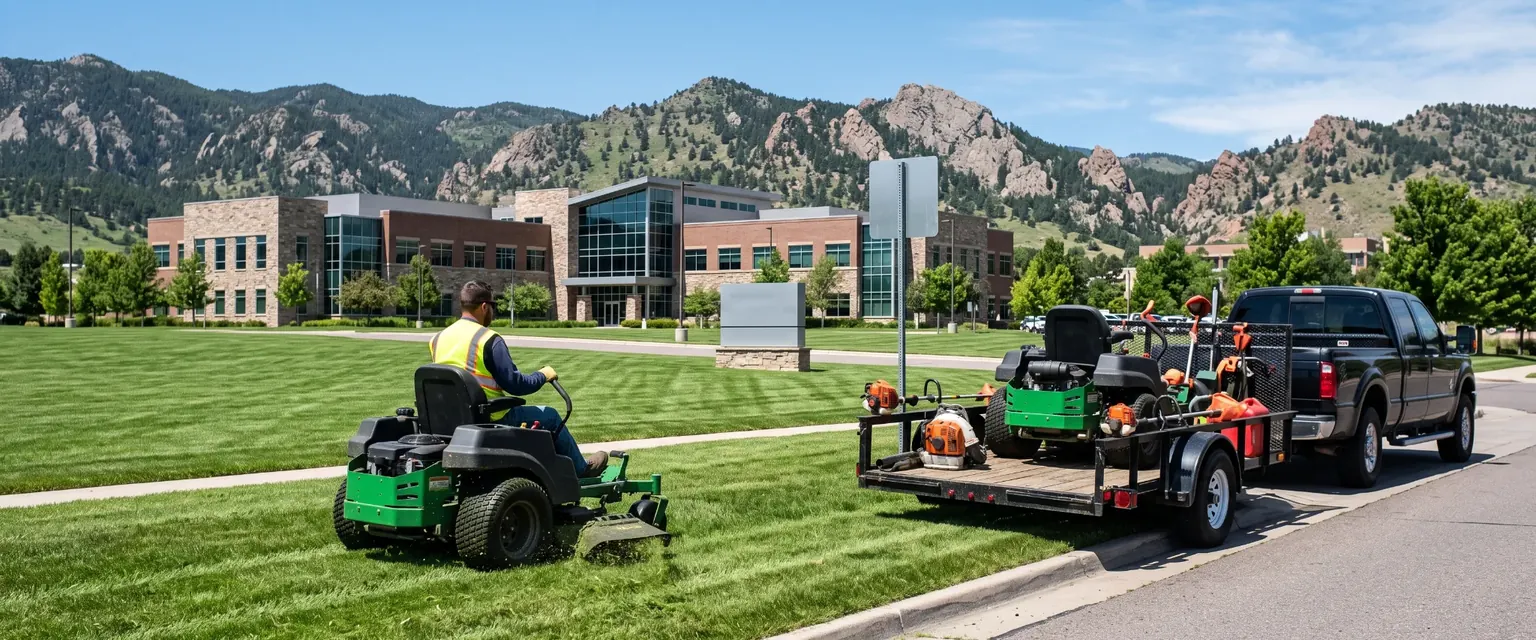
Maintenance is the landscaping trade with the most claims per dollar of revenue. Not the biggest claims. The most. Here's what a Colorado lawn care policy has to catch, from rock-throw to the plow you put on the same truck in November. Lawn Care and Maintenance insurance -
 EXCAVATION TRADE
Utility Trenching
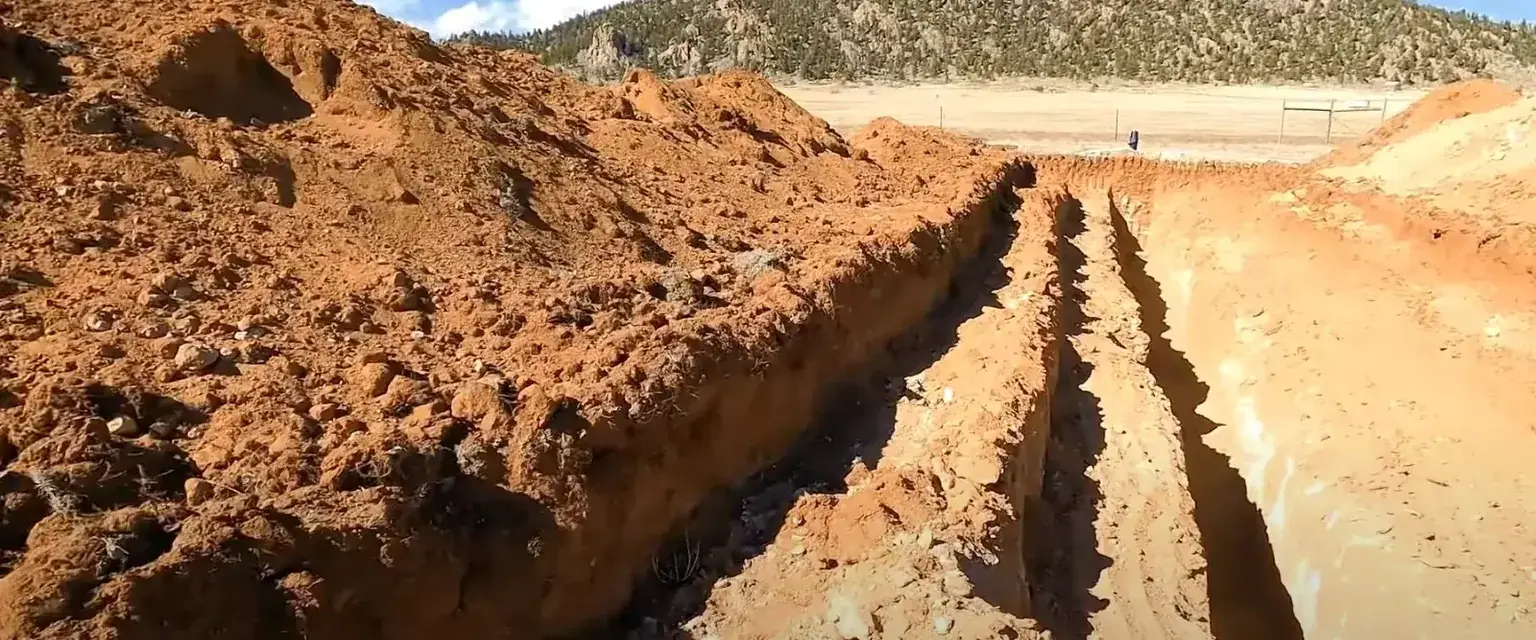
You hit a gas line. Here's who pays, and what your policy has to say for the carrier to be in the conversation. Trenching is the excavation trade where the law, the locate ticket, and the GL form all show up on the same claim. Utility Trenching insurance
I have one part-time helper. Do I need workers' comp in Colorado?
Can I exclude myself as the owner?
What is a class code and how does it change my premium?
What happens at a workers' comp audit?
What is Pinnacol and do I have to use it?
Statutes and numbers on this page last verified September 2, 2026 by a licensed Colorado producer. How we verify.