COVERAGE
Contractor's Equipment (Inland Marine) for Colorado Contractors
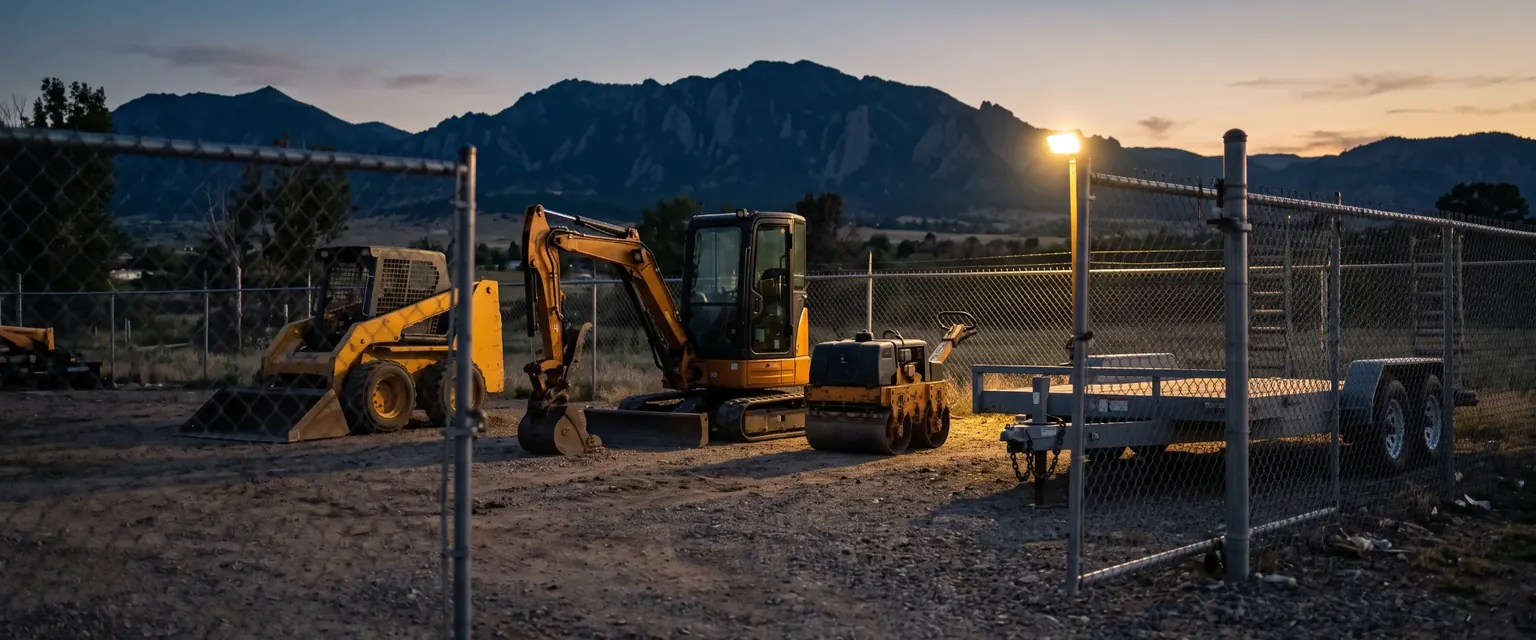
The excavator that walks off a lot outside Fairplay on a Sunday night, the compactor that slides off a wet cut, the mulcher that catches grass on fire in August. General liability pays none of it. This policy does, at the number you scheduled.
Contractor's equipment (inland marine)
What it typically does, and what it does not.
What it typically does
- Theft of a machine or attachment off a lot, a yard, or a trailer
- Rollover, upset, and collision damage to the machine itself
- Fire, including wildfire and equipment fire during mulching, under most standard forms
- Equipment in transit on your trailer or a rented lowboy, when the form says so
- Rented and leased equipment you are responsible for, when scheduled or covered blanket
- Rental reimbursement while a covered machine is down, if the endorsement is on the policy
What it does not do
- Wear, breakdown, and mechanical failure are excluded; that is what a warranty or an equipment breakdown endorsement is for
- Damage the machine does to other people's property is excluded; that is what general liability is for
- The truck pulling the trailer is excluded; that is what commercial auto is for
- The operator's injuries are excluded; that is what workers' compensation is for
- Anything worth more than its scheduled value is paid only to that value; that is what an updated schedule is for
- Small tools below the blanket deductible are effectively excluded; that is what a realistic deductible is for
Who needs it
- Anyone who owns or leases a machine they could not replace out of pocket next week
- Anyone with a lender on the equipment, because the lender requires it
- Landscape and snow outfits with skid steers, plows, spreaders, and trailers, not just excavators
- Anyone who rents equipment, because the rental agreement makes you responsible for it
Descriptions say what a coverage typically does; your policy form controls.
Your general liability policy does not cover your excavator. Not for theft, not for a rollover, not for fire. Inland marine is the old name for property that moves, and contractor’s equipment is the version written for machines that go from job to job. Here’s what it typically does, what it doesn’t, and why the number you scheduled in 2019 is the most expensive line on your dec page.
What it does on your job
A mid-size excavator is parked on a lot outside Fairplay on a Friday. The lot is a mile off the county road, nobody lives there yet, and by Monday the machine is gone. Under most standard contractor’s equipment forms, that’s the claim: theft of a scheduled machine, paid at the scheduled value (or replacement cost, if you bought it that way), less the deductible.
Same policy, different day. An 84” Bomag slides off a wet cut on a driveway job near Bailey and rolls. A tracked forestry mulcher lights the grass on a defensible-space job in August and the machine burns with it. A Yanmar mini skid steer comes off the trailer on I-70 above Idaho Springs. A hail cell over Greeley beats the glass out of a John Deere 772GP parked in the yard. All damage to your own iron. All this policy, subject to the limits and the policy language.
Two things to keep separate: the machine and the downtime. The policy pays for the machine. Rental reimbursement is the endorsement that pays for the rented machine you run while yours is in the shop, and on a grading job with a schedule penalty it can matter more than the repair. It’s typically optional. Attachments and small tools ride under a blanket limit with a per-item cap. A hydraulic hammer worth more than the cap gets scheduled by itself.
What it does not do
- Wear and breakdown. A blown final drive on a machine with 6,000 hours is maintenance, not a claim. Excluded under most standard forms. What covers it: the warranty, or an equipment breakdown endorsement where the carrier offers one.
- What the machine did to someone else. The excavator that undermines the neighbor’s foundation is a general liability claim. This policy is the excavator, not the foundation.
- The truck. The dump truck and the pickup are commercial auto. The trailer usually is too. The machine on the trailer is here, and only if transit is on the form.
- The operator. Hurt in a rollover is workers’ compensation.
- Anything you didn’t schedule. The excavator you bought in March and forgot to call about is not on the policy in July. Some forms carry a newly-acquired grace window. Some don’t. The policy language controls.
- Flood and earth movement, on some forms. Read the perils. A machine parked in a creek bottom below a spring melt is a real question in the mountains.
Who needs it
Anyone who owns a machine they couldn’t replace out of pocket next week, which is every outfit under excavation, most under landscaping, and more under snow removal than people think. Anyone with a lender needs it because the lender says so. Anyone who rents needs it because the rental agreement makes you responsible for the machine from pickup to return, and the yard’s damage waiver is not insurance. Hardscape crews with a mini excavator and a plate compactor are the outfit most likely to be running without it.
How it’s rated
No dollar figures. What moves the number:
- Scheduled values. The total value of the iron sets the base. Every machine you add moves it.
- Type and age. Tracked machines, mulchers, and anything with a fire exposure rate above a wheeled skid steer. Older machines rate differently and may only be offered actual cash value.
- Valuation. Replacement cost costs more than actual cash value.
- Deductible. Higher deductible, lower rate, and a deductible that makes small-tool claims pointless.
- Where it sleeps. Fenced yard with lighting versus a remote lot. GPS trackers and hidden kill switches help on the theft side.
- Transit and rental. Including equipment in transit and rented equipment adds to the premium and closes two of the most common gaps.
- Loss history. One theft claim reads differently from three.
Where it sleeps is the driver you control most. Tell the underwriter the truth about the remote lots.
The 2019 problem
Here’s what we tell every contractor who sends us a dec page: the machine values on it are usually wrong, and wrong in the direction that hurts you.
You bought the excavator in 2019 and scheduled it at the purchase price. If the policy is actual cash value, the carrier pays what the machine was worth the day it rolled, depreciation included. If it’s replacement cost, the carrier pays up to the scheduled value, and the scheduled value is still the 2019 number. Either way, you write a check for the difference.
It runs the other direction too. A dozer scheduled at a number from three purchases ago, on a policy with a coinsurance clause, can get penalized at claim time for being underinsured. Coinsurance is the clause that says you agreed to insure the machine to a percentage of its value, and if you didn’t, the carrier pays proportionally less. Not every form has it.
The fix is boring. Once a year, before renewal, pull the schedule and put a current number on every line. Add what you bought. Drop what you sold. Twenty minutes.
Colorado notes
Elevation. Machines above 9,000 feet run harder, sit longer between jobs, and park on lots with no neighbors. Theft off a remote lot near Alma or Como is the claim mountain underwriters price for. Decomposed granite on a steep cut is the rollover they price for.
Fire. A mulcher in dry grass in August is an equipment fire waiting for a spark, and a wildfire moving through a job site takes the iron with it. Most standard forms cover fire. Some carriers ask about mulching specifically. Say yes if you do it.
Hail. Front Range hail breaks glass, dents sheet metal, and totals a parked machine’s cab in ten minutes. Comprehensive-type perils on the equipment form typically respond, subject to the deductible.
Season. Mountain towns such as Alma may restrict cold-season excavation and utility taps; confirm the current cutoff with the town before scheduling. (Town of Alma Municipal Code (Ch. 13 Municipal Utilities, Ch. 18 Building Regulations)) [VERIFY] A short season means the iron sits for months, and a machine that sits is a machine that gets stolen or freeze-damaged. Winterize and tell the underwriter where it winters.
Contract language you’ll see
Equipment coverage rarely shows up in a GC’s insurance exhibit, because it protects you, not them. Where you will see it:
- Lender agreements. “Borrower shall maintain physical damage coverage on the collateral naming Lender as loss payee.” Loss payee means the check has both names on it.
- Rental agreements. “Renter is responsible for the equipment from delivery until return, including theft, regardless of fault.” The yard’s damage waiver typically has its own exclusions. Read it.
- Leases. “Lessee shall insure the equipment for full replacement value.” Full replacement, not the number from 2019.
- Certificate requests. A rental yard or lender asks for a certificate showing the machine scheduled and the yard as loss payee. Our certificates page covers the process.
This is our read as contractors and agents, not legal advice. For your rental agreement or lease, talk to a Colorado construction attorney.
Where to go from here
The policy review is the right first move for equipment: send the schedule and we’ll mark the values that don’t match the market, the machines that aren’t on it, and whether transit and rental are included. Starting fresh? Get Insured lists what to bring: make, model, serial, year, hours, and what you’d pay to replace each one today. The truck and trailer that haul this iron are a separate policy with a separate gap, so read commercial auto next.
Serving businesses located in Colorado. Coverage is determined by the policy language and the carrier.
Terms on this page: inland marine, scheduled equipment, blanket coverage, replacement cost, actual cash value, coinsurance, rental reimbursement, equipment in transit, leased and rented equipment, equipment breakdown. Full glossary.
Who carries it
Trades that carry this coverage.
-
 EXCAVATION TRADE
Land Clearing and Forestry Mulching
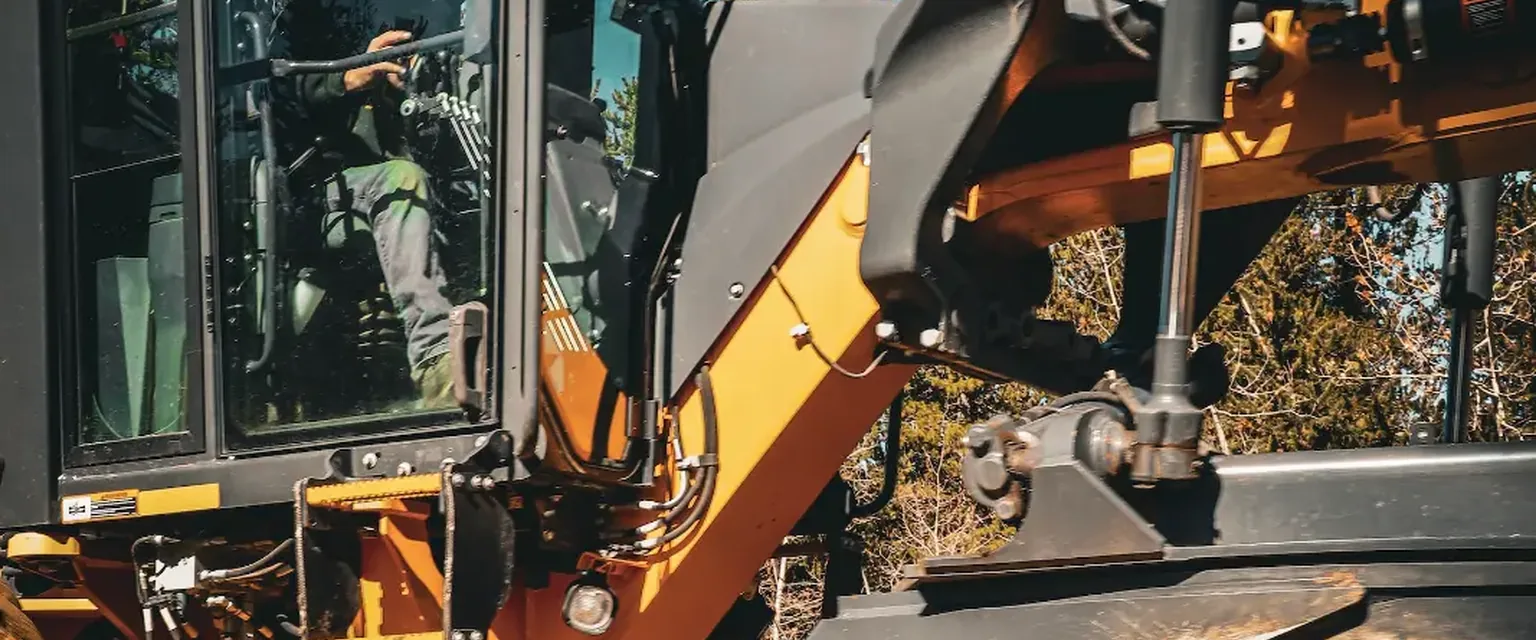
A tracked forestry mulcher is a diesel engine and a spinning drum in a stand of dry lodgepole. Fire is the claim underwriters think about first, and it is not always the claim your policy was written for. Here's what a clearing outfit's coverage has to do in Colorado, from the machine to the land it works on. Land Clearing and Forestry Mulching insurance -
 EXCAVATION TRADE
Grading and Site Prep
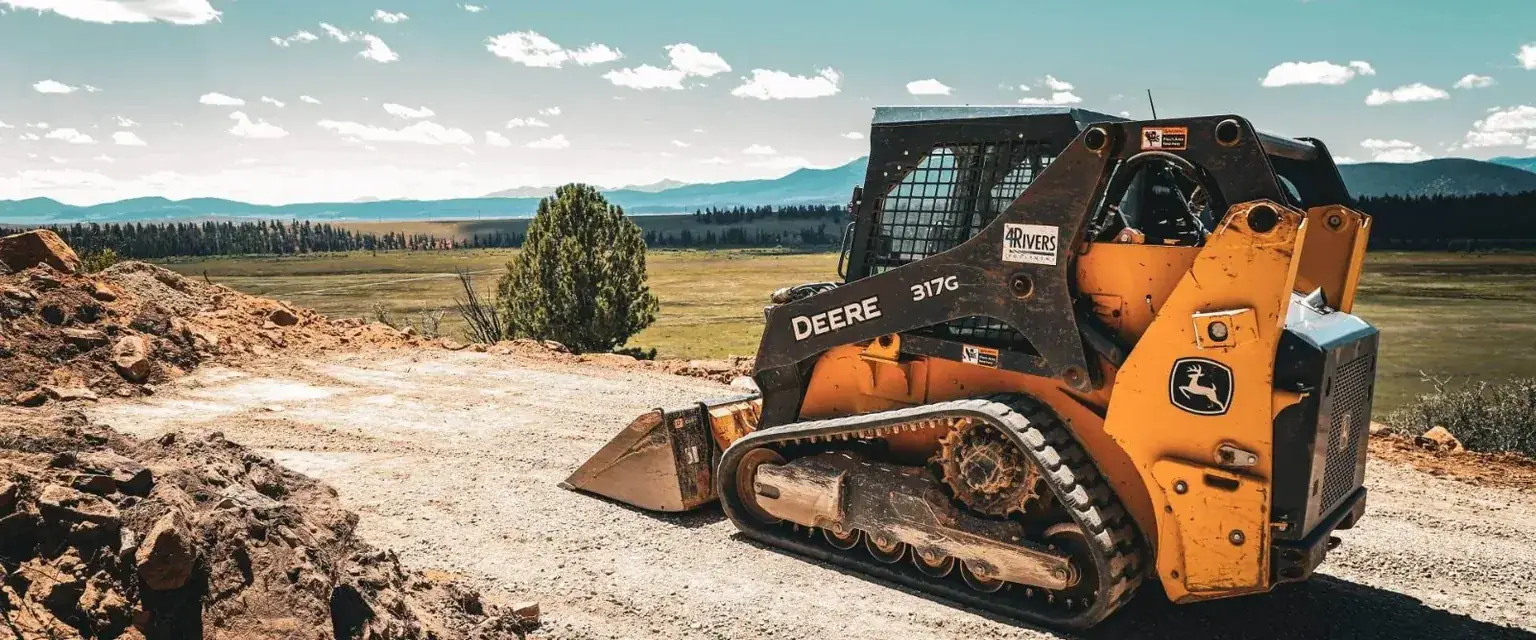
A pad that drains the wrong way, a wall that bulges after a wet spring, silt in the neighbor's yard after a July storm. Grading claims show up late and argue about who was at fault. Here's what the policy has to do. Grading and Site Prep insurance -
 LANDSCAPING TRADE
Hardscape and Paver Installer
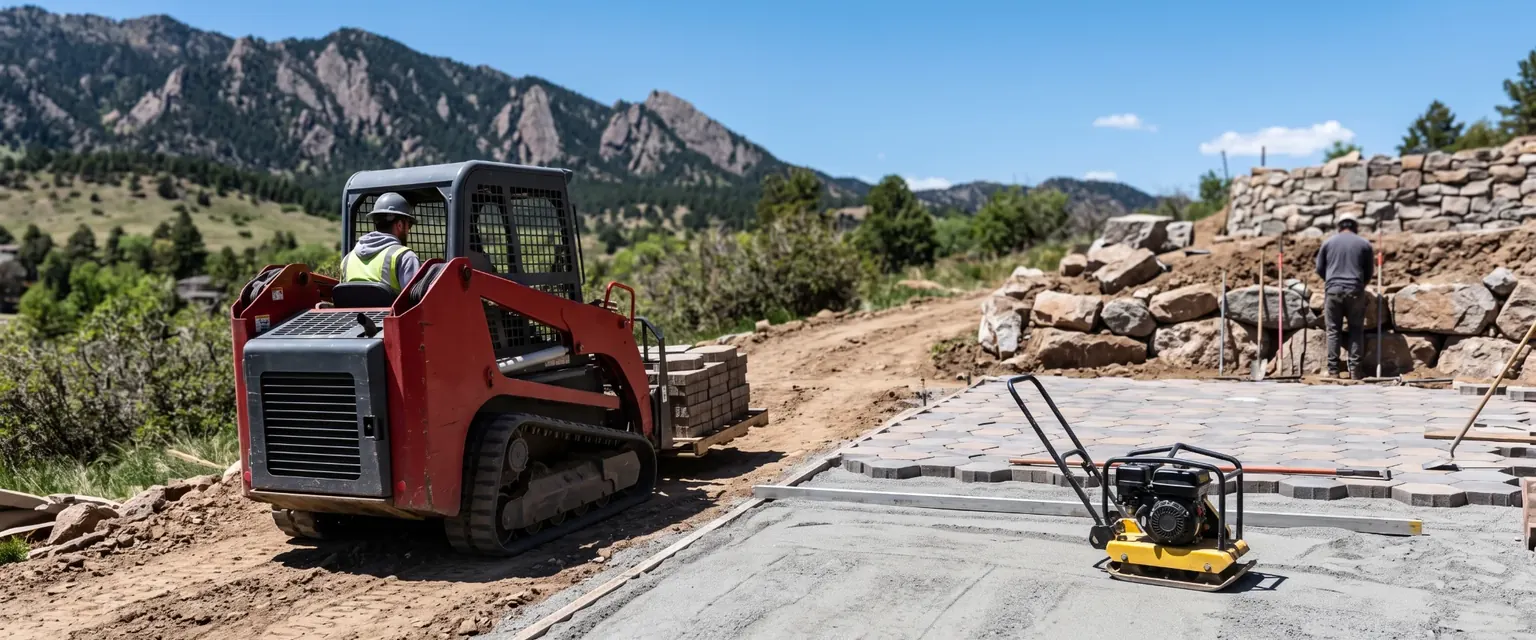
A retaining wall is the one thing a landscaper builds that can hurt somebody three years after the final payment. Pavers heave, walls lean, and the block stacked on the driveway belongs to you until the owner signs. Here's what a hardscape outfit's policy has to do in Colorado. Hardscape and Paver Installer insurance
What is inland marine insurance and why is my excavator on it?
What is the difference between scheduled and blanket equipment coverage?
Replacement cost or actual cash value?
Does my equipment policy cover a rented excavator?
Is my skid steer covered while it is on the trailer on I-70?
Statutes and numbers on this page last verified September 2, 2026 by a licensed Colorado producer. How we verify.