COLORADO · FRONT RANGE
Excavation, Landscaping, and Snow Insurance in Boulder and Longmont
Boulder licenses landscapers by class, puts a licensed contractor on every right-of-way site, and reviews creek and floodplain work harder than anywhere else we serve. Longmont is easier on the license and just as particular about the right-of-way.
Boulder at a glance
- Licensing
- The City of Boulder licenses contractors by class, including D-4 for landscaping, irrigation, and site work, at $1M/$2M GL with the City as additional insured; only a right-of-way licensed contractor may pull a ROW permit; Longmont's ROW permit needs a certificate naming the City; the county licenses septic professionals.
- Ground
- Cobbles and boulders in the creek alluvium, clay on the mesas, steep decomposed-granite lots in the foothill canyons, high water tables along Boulder Creek and the St. Vrain, and sandier irrigated ground around Longmont.
- Snow
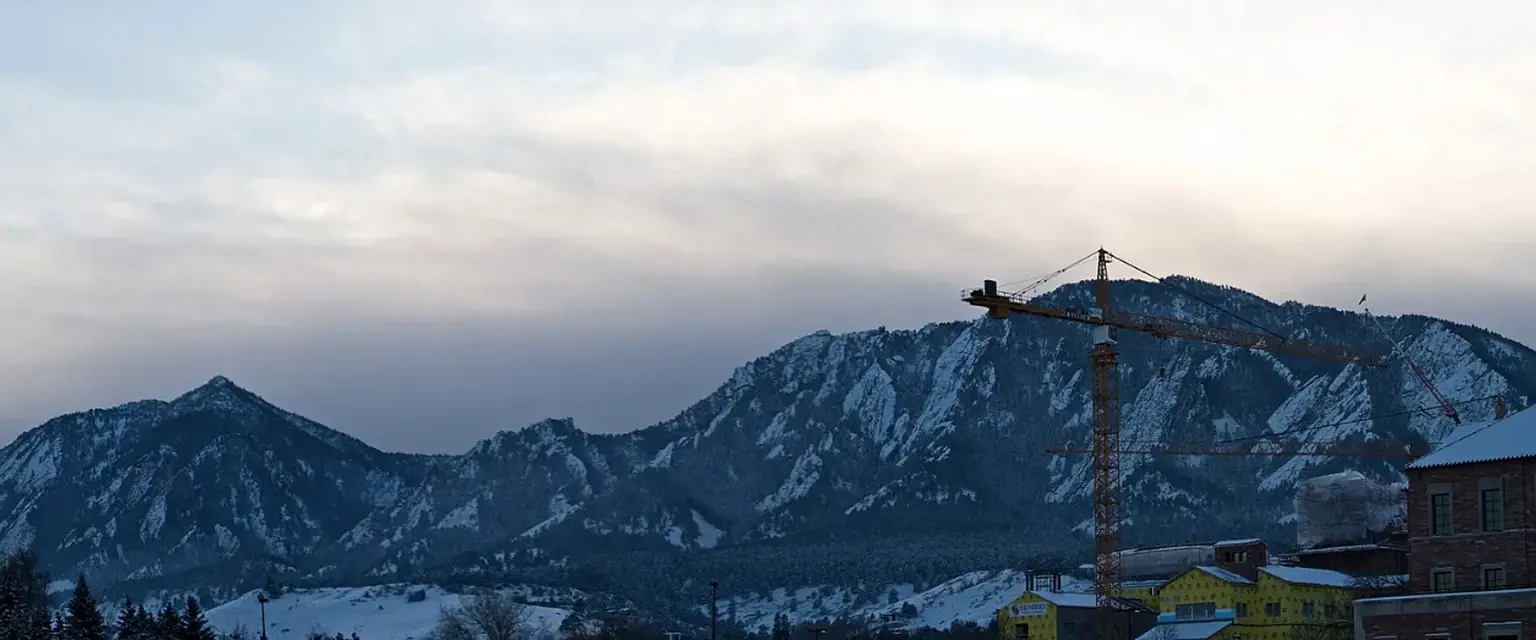
- Upslope storms that linger in the shade of the Flatirons and melt by noon on the south faces, Chinook winds that strip Longmont's open fields into drifts, and a 24-hour sidewalk rule in Boulder that sets the commercial contract clock.
- Contracts
- City and university work with license-driven insurance exhibits, tech-campus and HOA certificates at $1M/$2M with additional insured and waiver, and floodplain and creek jobs that arrive with engineering and environmental conditions attached.
Boulder is the one Front Range city that put landscaping in its license code. It also put a creek through the middle of town and a planning department that reads every permit twice. Longmont, up the Diagonal to the northeast, is flatter, sandier, and more relaxed about the license, but its right-of-way permit comes with an insurance minimum written on the form. This page covers what changes for excavation, landscaping, and snow removal contractors between the two, and where the tree crews fit. The statewide view is on the Colorado hub.
The licensing reality in Boulder and Longmont
Inside the City of Boulder, the license is the whole story. The City of Boulder prohibits performing work as a contractor without a city contractor's license issued by Planning & Development Services; classes include D-1 (moving and wrecking of structures), D-4 (landscaping, irrigation, and site work), and a Right-of-Way Contractor license, each requiring general liability of $1,000,000 per occurrence and $2,000,000 aggregate with the City as additional insured, plus workers' compensation. (City of Boulder, Contractor Licensing) Two things to notice. D-4 exists, which means a landscape or irrigation crew that works on a business license in Denver or Aurora needs a city license here. The same page lists a separate tree contractor license; the tree service page covers why that trade rates on its own.
Right-of-way work adds a second license and a person. In the City of Boulder only a right-of-way licensed contractor may apply for a right-of-way or wet-utility permit, that contractor must be present on the construction site, and the license requires proof of insurance, workers' compensation, and a surety bond. (City of Boulder, Right-of-Way Permits) Present on site means present on site. A GC can’t pull the ROW permit and send an unlicensed sub. No dollar amounts are published for the bond or the insurance, so we won’t quote any; the license application states them. The bonds page covers the surety side.
Outside the city limits the county takes over. Boulder County licenses contractors for work in the unincorporated county through its Chief Building Official (Community Planning & Permitting), with classes A (commercial construction), B (commercial remodeling), C (residential), commercial and residential mechanical, roofing, and Class M (miscellaneous work); plumbers and electricians are licensed by the State. (Boulder County, Contractor Licensing in Unincorporated Boulder County) No excavation or landscape class is named. Whether a grading crew on a Nederland lot falls under Class M is a question for the Chief Building Official, not for us. Septic is separate and specific: Boulder County Public Health requires a license for OWTS installers, property-transfer inspectors, and cleaners operating in Boulder County; the fee is $100 for every license type, installers must complete NAWT installer training and six continuing-education hours, and all licenses expire December 31 and must be renewed by January 31. (Boulder County Public Health, Apply for New or Renewed Septic Professional License)
Longmont is a permit city. Longmont requires a Right-of-Way Permit before any work or temporary obstruction in the public right-of-way, with a certificate of insurance naming the City, its officers, agents, and employees as additional insureds and minimum limits of $350,000 per person and $1,000,000 per occurrence. (City of Longmont, Work in the Right-of-Way Permit) Note the wording: per person and per occurrence, not the per-occurrence and aggregate pair that most contracts use. A standard $1M/$2M GL usually satisfies it, but the certificate has to show it the way the City wants to read it. Longmont licenses contractors too; the page we reached named no excavation or landscape class, so ask.
Site work over an acre is the state’s business: Construction that disturbs one acre or more, or is part of a larger common plan of development or sale that will disturb one acre or more, needs coverage under CDPHE's COR400000 Construction Stormwater General Permit (or a CDPHE-qualified local program for sites between one and five acres). (CDPS General Permit COR400000 (effective April 1, 2024)) And Boulder is a city where the marks fade fast. Locate markings stay valid while clearly visible, but for no more than thirty calendar days after the locate request due date (C.R.S. 9-1.5-103). (C.R.S. 9-1.5-103)
Terrain and soil
Boulder is named for what’s in the ground. The creek alluvium under most of the older town is cobbles and boulders in sand, and an excavator bucket rings off them all day. It’s fast digging until a rock the size of a truck hood sits across the trench line, and then it’s a hydraulic hammer or a bigger machine. Along Boulder Creek and South Boulder Creek the water table sits close to the surface, so a basement dig near the creek dewaters from the first day.
Up on the mesas, Table Mesa, the Gunbarrel bench, north Boulder, it’s clay. Enough to heave a paver patio built on one lift of wet base and to hold water against a wall without drain rock. The foothill canyons (Fourmile, Sunshine, Left Hand) are decomposed granite over bedrock on grades where a Yanmar mini skid steer earns its keep and a tracked mulcher is the only sane way to thin ladder fuels.
Then the floodplain. The big St. Vrain flood rewrote the creek channels through Lyons and Longmont, and since then any work near a creek, a ditch, or a wetland in either city arrives with engineering conditions, environmental review, and an inspector who knows what a silt fence is supposed to look like. A hydraulic hose on a machine parked in a creek bottom is a pollution claim here before it’s anything else.
Longmont’s ground is sandier loam, irrigated for a century, laced with ditches and laterals that don’t always show on a locate. Easy digging, and a water table that follows the irrigation season.
Snow, and what the contracts trigger
Boulder snow has two moods. Upslope storms stack up against the Flatirons and stay in the shade of the foothills for a week while the south-facing lots are bare by noon. So one route has a client complaining about ice on Mapleton Hill and another asking why you plowed at all in Martin Acres. Then the Chinook arrives, warm wind that strips a lot to pavement overnight and drifts Longmont’s open fields like the plains.
The Boulder sidewalk rule sets the clock. Boulder Revised Code § 8-2-13 requires property owners to clear sidewalks no later than 24 hours after snow stops falling, and failure can result in fines and the cost of a private snow removal contractor. (Boulder Revised Code § 8-2-13; City of Boulder Snow and Ice Response) The city page doesn’t state a fine amount, so we don’t either. Commercial contracts in Boulder run one-inch triggers, sidewalk and bike-path language, and a de-icer restriction more often than anywhere else we work, because the city and a lot of its property owners care about what runs into the creek. Longmont HOA contracts look like Denver’s: two-inch triggers and per-push billing. Longmont’s own sidewalk hours weren’t in our verified sources; ask the city and match the contract to it.
That de-icer restriction is exactly where the state snow law lives. Colorado's Snow Removal Service Liability Limitation Act (C.R.S. 13-21-129, effective August 8, 2018) voids any snow-and-ice contract clause that requires one party to indemnify, hold harmless, or defend the other for the other party's own acts or omissions, but only where the service provider was prohibited, by the contract or in writing, from mitigating the specific snow or ice event at issue. (C.R.S. 13-21-129(3), (4); SB 18-062) If a Boulder property manager tells you in writing not to salt the walk, keep it. The commercial snow and ice page covers how the logs and the writing work together on a slip-and-fall.
Contract norms we see here
Boulder is a city, university, and tech-campus market. City work runs through the license, so the insurance exhibit is the license requirement plus whatever the bid adds. University work comes with its own procurement exhibit and an additional insured list longer than the contract. The campuses out in Gunbarrel and east Boulder ask for $1M/$2M on the general liability, additional insured with completed operations, primary and non-contributory, a waiver on workers’ comp, and often an umbrella.
Tree work is its own conversation. A lot of Boulder’s canopy is old silver maple and cottonwood over houses on narrow lots, and the ash trees have been coming down across both cities since the borer arrived.
Longmont and Erie are HOA and builder markets, and the rebuild in Louisville and Superior after the Marshall Fire put grading and landscape crews on lots with strict permits and homeowners reading every certificate. Those contracts read like Aurora’s: master agreements with a one-way indemnity.
What we don’t control: how a city inspector reads your erosion control on the day it rains.
Nearby
We work with contractors from Louisville, Lafayette, Superior, Erie, Niwot, Gunbarrel, Lyons, and Nederland, and most Boulder crews run at least one Longmont route. South down US 36, Denver licenses by supervisor certificate with no landscape class and permits streets through DOTI. North on US 287, Fort Collins and Loveland license contractors citywide and bring a different set of right-of-way permits.
Where to go from here
Already licensed and insured in Boulder? Send the dec pages and the D-4 certificate to the policy review and we’ll check the additional insured wording, the completed-ops term, and whether tree work is actually on the form. Starting out? Get Insured lists what to have ready. No online quote. A Boulder book is built around which license classes you hold and how close to the creek you work.
Serving businesses located in Colorado. Coverage is determined by the policy language and the carrier.
Trades
Trades common in Boulder.
-
 LANDSCAPING TRADE
Tree Service
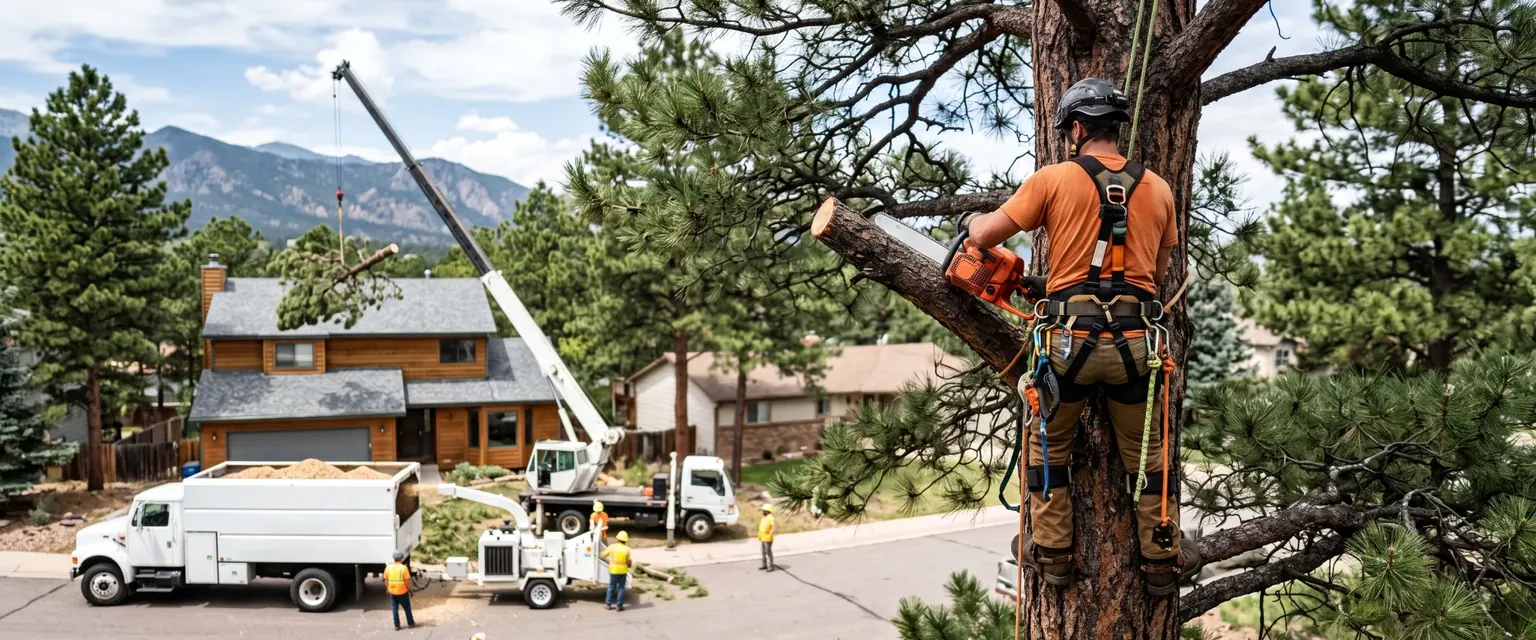
Tree work is the landscaping trade carriers are most careful with, and the one landscapers most often do without telling anyone. Here's what a Colorado tree service policy has to cover, and why the honest answer starts with whether a carrier will write it at all. Tree Service insurance -
 LANDSCAPING TRADE
Irrigation Contractor
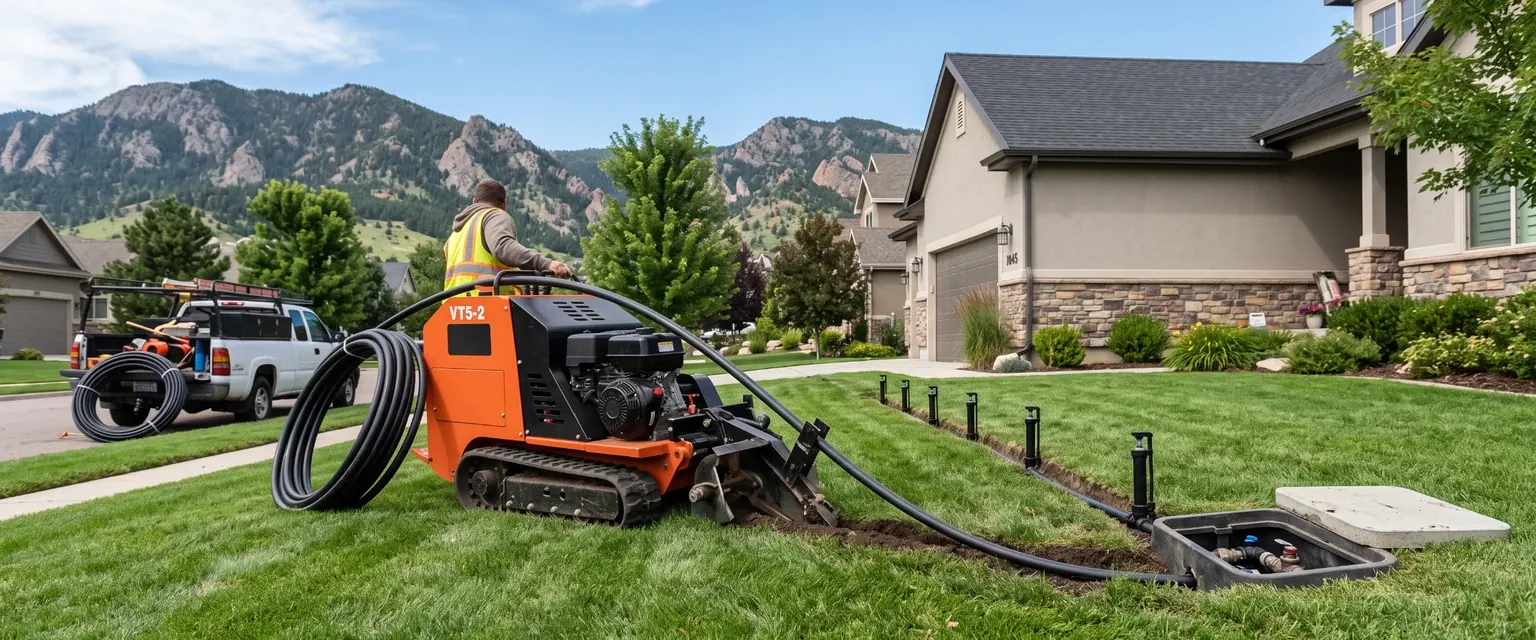
Irrigation is the landscaping trade that puts water under pressure next to somebody's foundation. Most of your claims are water where it shouldn't be, and the argument is always about which part was your work and which part was the house. Here's how a Colorado irrigation policy has to be built. Irrigation Contractor insurance -
 LANDSCAPING TRADE
Hardscape and Paver Installer
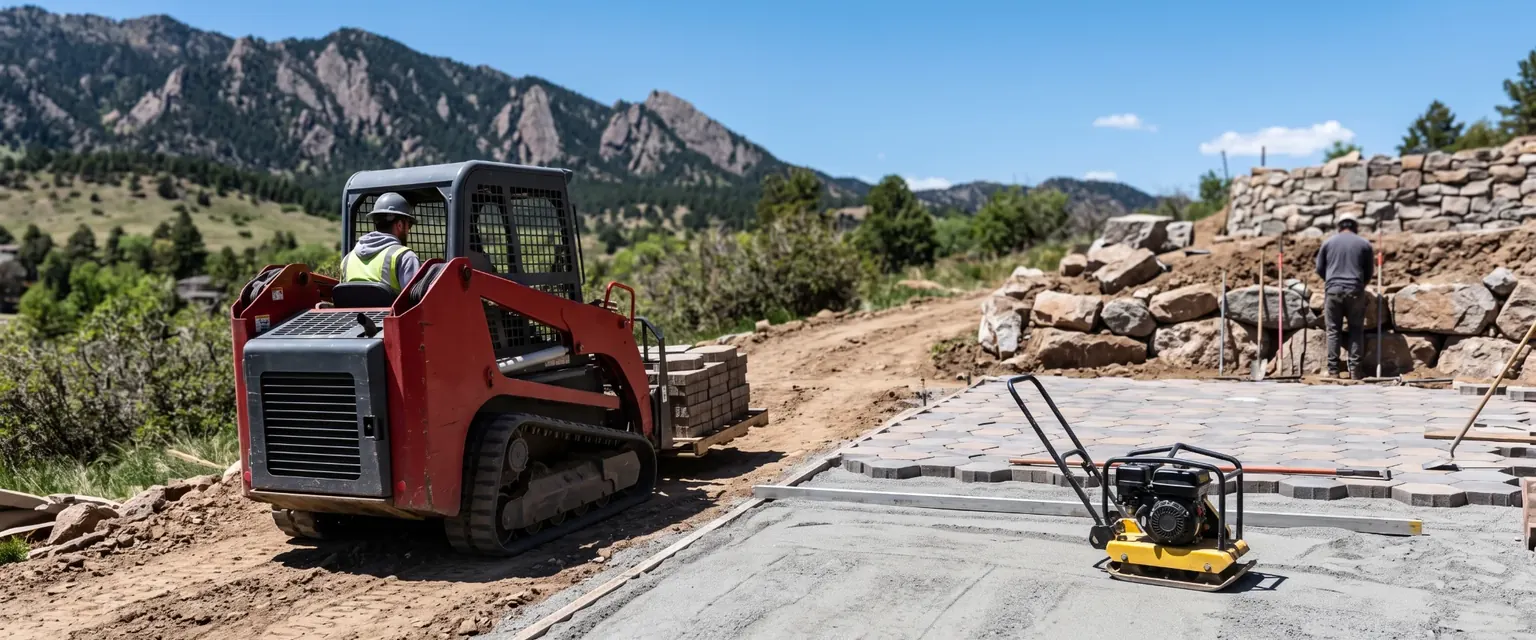
A retaining wall is the one thing a landscaper builds that can hurt somebody three years after the final payment. Pavers heave, walls lean, and the block stacked on the driveway belongs to you until the owner signs. Here's what a hardscape outfit's policy has to do in Colorado. Hardscape and Paver Installer insurance
Nearby
Working outside Boulder? The next pages over.
Does Boulder require a license for landscaping and irrigation work?
What does Longmont require to work in the right-of-way?
Who licenses septic installers in Boulder County?
Statutes and numbers on this page last verified September 2, 2026 by a licensed Colorado producer. How we verify.