LANDSCAPING TRADE
Irrigation Contractor Insurance in Colorado
Irrigation is the landscaping trade that puts water under pressure next to somebody's foundation. Most of your claims are water where it shouldn't be, and the argument is always about which part was your work and which part was the house. Here's how a Colorado irrigation policy has to be built.
Your work versus what your work did. That’s the whole argument in an irrigation claim, and it’s worth understanding before the water is in the basement. The fitting that split is your work. The finished basement it flooded is what your work did. Under most standard GL forms the first is on you and the second is on the policy, and the adjuster’s job is to draw that line as far toward you as the form allows. We run irrigation on our own landscape jobs, so we’ve watched that line get drawn. This page sits under our landscaping hub; if the same crew mows and sprays, the lawn care page covers that half.
What the underwriter sees on an irrigation application
Water pressure next to a foundation, and a lot of small jobs.
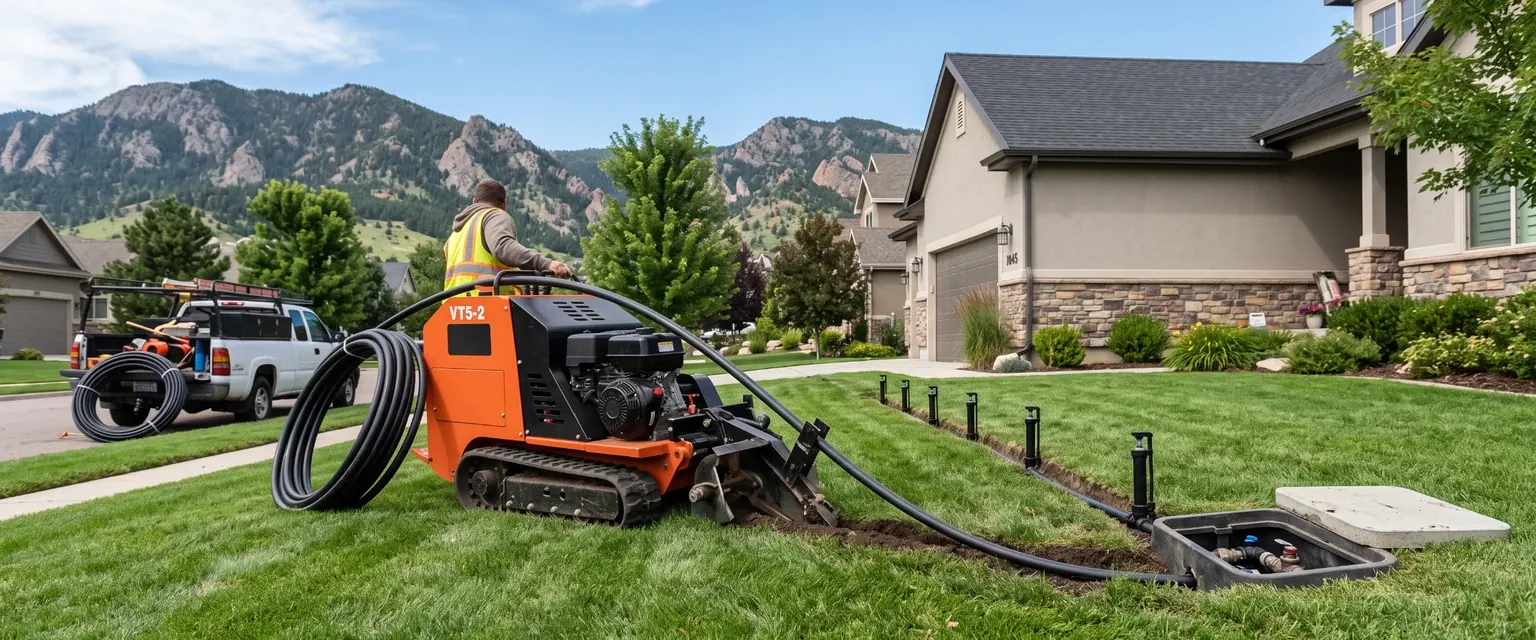
The class is typically landscape gardening. The picture is a crew with a walk-behind trencher, a vibratory plow, and a Yanmar mini skid steer, running pipe on new installs in summer and blowing out systems by the hundred in October. An underwriter who has paid an irrigation claim asks about the potable tap, the backflow assembly, and who does the winterizing. Those three are where the water gets loose.
Then the count. An install outfit that does thirty systems a year has thirty completed-operations exposures. A service outfit that blows out four hundred systems in October has four hundred, each one a phone call in April. The underwriter wants both numbers and the split between residential, HOA, and commercial, plus the trucks and trailers that carry the compressor.
Colorado adds the freeze. The first hard freeze on the Front Range comes in early October some years and November in others, and every irrigation contractor in Denver is racing it with a compressor. Expansive clay moves pipe and fittings a little every season. Around Grand Junction, a lot of systems run on raw ditch water from an irrigation district, which brings filters, pressure swings, and a district with rules about the tap. Wind on the plains east of Longmont dries a lawn in a day and makes the customer blame the system.
The five exposures that produce irrigation claims
- Water in the basement. A mainline you tapped in Denver is left charged through the first hard freeze in October, a fitting splits at the foundation, and the finished basement floods overnight. Fixing your fitting is your warranty. The drywall, the carpet, and the furnace are typically the resulting damage GL pays.
- Backflow done wrong. A backflow assembly on a commercial job in Longmont is installed without the right clearance and fails its first test, and the water utility shuts the tap until it’s redone. Redoing your work is excluded; the day of lost water to the tenants is a claim you’ll hear about.
- Trencher through the gas line. A walk-behind trencher cutting a lateral in Boulder finds the gas service to the house two feet from where the locate flags said it would be. Locate rules apply to a drip line the same way they apply to an excavator, and the presumption follows the ticket.
- The October blowout. A crew blowing out forty systems a day in Grand Junction in late October misses a zone on a system with a low corner, the pipe freezes and splits, and the leak surfaces in April under the neighbor’s driveway. Completed operations, on a policy year that has already renewed.
- Machines and the crew. A Yanmar mini skid steer with a trencher attachment slides on wet clay at an HOA install in Broomfield and pins a laborer’s leg. His injury is workers’ comp. The machine in the trench is inland marine. The HOA’s sidewalk it took out is GL.
Zones get missed and the freeze comes early. The stack below is built so each of those lands on a policy that expected it.
The coverage stack we’d build
| Coverage | Why | Typical contract requirement |
|---|---|---|
| General liability, occurrence form, completed operations included, water damage not excluded | The basement, the neighbor’s driveway, the tenant’s inventory, the gas line. During the install and for years after. | $1M per occurrence / $2M aggregate; HOA, property manager, or GC as additional insured on completed operations |
| Workers’ compensation | Trencher and skid steer injuries, trench work, a summer crew. Required at the first employee. | Statutory; waiver of subrogation on HOA and GC work |
| Commercial auto | The pickups pulling the trencher trailer and the compressor. Personal auto forms commonly exclude business use, and a crew of three in the truck is business use. | $1M combined single limit on any contract with an insurance section |
| Contractors equipment (inland marine) | Trencher, vibratory plow, mini skid steer, compressor. Theft off a trailer overnight is the common one. | Your lender, not your customer |
| Installation floater | Pipe, valves, controllers, and wire on site or in the truck before the owner accepts. Theft from a jobsite garage is the claim. | Sometimes on commercial installs; usually a business decision on residential |
| Umbrella / excess | A commercial building flooded over a holiday weekend can pass $1M in inventory and lost rent. | Sometimes on commercial and property-manager contracts |
Here’s the “your work” exclusion in plain English. The GL policy is not a warranty. If the fitting you installed splits, the carrier typically does not pay to replace the fitting, re-dig the trench, or redo the assembly the utility failed. That’s yours. What the carrier typically does pay is what the water did once it left your work: the drywall, the flooring, the furnace, the neighbor’s driveway, and the defense if it turns into a suit. Some forms cut deeper with a water damage exclusion, a mold exclusion with a low sub-limit, or a residential exclusion. Read those pages, because a flooded basement in Denver is a mold claim by the second week.
Contract requirements you’ll run into
Residential installs are mostly a handshake. The paper shows up on repeat customers:
- HOAs. A certificate at $1M/$2M with the association as additional insured, auto, and workers’ comp with a waiver. The contract usually makes you responsible for damage to common areas, and some try to make you responsible for the system’s performance regardless of what the landscape crew or the weather did to it.
- Property managers and commercial. Same certificate, higher limits on bigger properties, sometimes an umbrella, and the backflow test report before the tap is turned on.
- GCs on new builds. The standard subcontract: additional insured on ongoing and completed operations, primary and non-contributory, waiver of subrogation. Completed operations is the half that matters to you.
- Water utilities and irrigation districts. The backflow test on file and, on the Western Slope, a district tap agreement. Not a certificate, but skipping it is how a job gets shut down.
Colorado notes for irrigation contractors
No state license, a lot of city rules. Colorado has no state landscape-contractor license (DORA licenses landscape architects only); landscapers answer instead to local business-license, right-of-way, and trade-permit rules that vary by city, and most Front Range building departments do not issue a landscape-specific contractor license. (DORA Division of Professions and Occupations program list; City of Aurora and Denver contractor class lists) What each city does require, from a business license to a permit for the tap to a licensed plumber on the backflow assembly, is set locally and changes. We don’t summarize it here because we’d be wrong somewhere by next season. Check Denver, Boulder and Longmont, and Grand Junction and Mesa County for what we know, then confirm with the building department and the water utility.
Backflow. Tying into potable water usually means a backflow assembly the water utility expects to see tested on a schedule. Who may install it and who may test it are local and utility questions, with the state’s cross-connection rules behind them. We don’t quote those rules. The utility is the source. An assembly that fails its test is a service call, not an insurance claim, until it lets water back into the building.
The locate rule applies to a trencher. Colorado law requires notice to Colorado 811 at least two business days before excavating, not counting the day you call (C.R.S. 9-1.5-103(3)(b)); Colorado 811 phrases the same window as three full business days, so a Monday call means a Thursday dig. (C.R.S. 9-1.5-103(3)(b)) A lateral eighteen inches down is an excavation. And the presumption: Under C.R.S. 9-1.5-104.5(2)(d), a contractor who damages an underground facility after failing to notify Colorado 811, or failing to use reasonable care, is presumed liable for the owner's repair or replacement costs, litigation costs and attorney fees, and any resulting injury or property damage. (C.R.S. 9-1.5-104.5(2)(d)) A drip line does not get a lighter version of that rule.
Workers’ comp. Colorado employers must carry workers' compensation insurance as soon as they have one or more employees, whether part-time, full-time, or family members (C.R.S. 8-40-203(1)(b), 8-44-101); the state can fine an uninsured employer up to $500 for every day without coverage. (C.R.S. 8-40-203(1)(b); 8-44-101; 8-43-409) A blowout crew hired for three weeks in October is exactly who the statute means.
Class codes. Landscaping contractors are typically rated under NCCI code 0042 (Landscape Gardening & Drivers; lawn maintenance under 9102), excavation under 6217 (Excavation & Drivers), tree work under 0106 (Tree Pruning), and stand-alone snow-clearing under 9402 (Street Cleaning & Drivers); the carrier makes the final assignment under NCCI rules. (NCCI Scopes Manual) [VERIFY] Irrigation typically rides with landscape gardening. If your crew does the potable tap and the assembly, some carriers ask about a plumbing code for that payroll.
The October blowout. Freeze claims are the completed-operations claims in this trade, and the defense is the service log. Date, system, zones blown, pressure, who was there. A missed zone with no log is your fault. A log and a homeowner who turned the water back on for one more week is a different conversation.
Where to go from here
Already carry GL? The fastest move is a policy review. Send the dec pages and we’ll mark the completed-operations line, the “your work” exclusion, any water damage or mold sub-limit, and whether the trucks are on a commercial auto policy. Starting fresh? Get Insured lists what to have ready: installs per year, systems winterized, and how much of it is HOA. No online quote. An irrigation book is built around how many systems have your name on them and how many of them freeze.
Serving businesses located in Colorado. Coverage is determined by the policy language and the carrier.
Coverage
Coverage built for irrigation contractor.
-
 Coverage
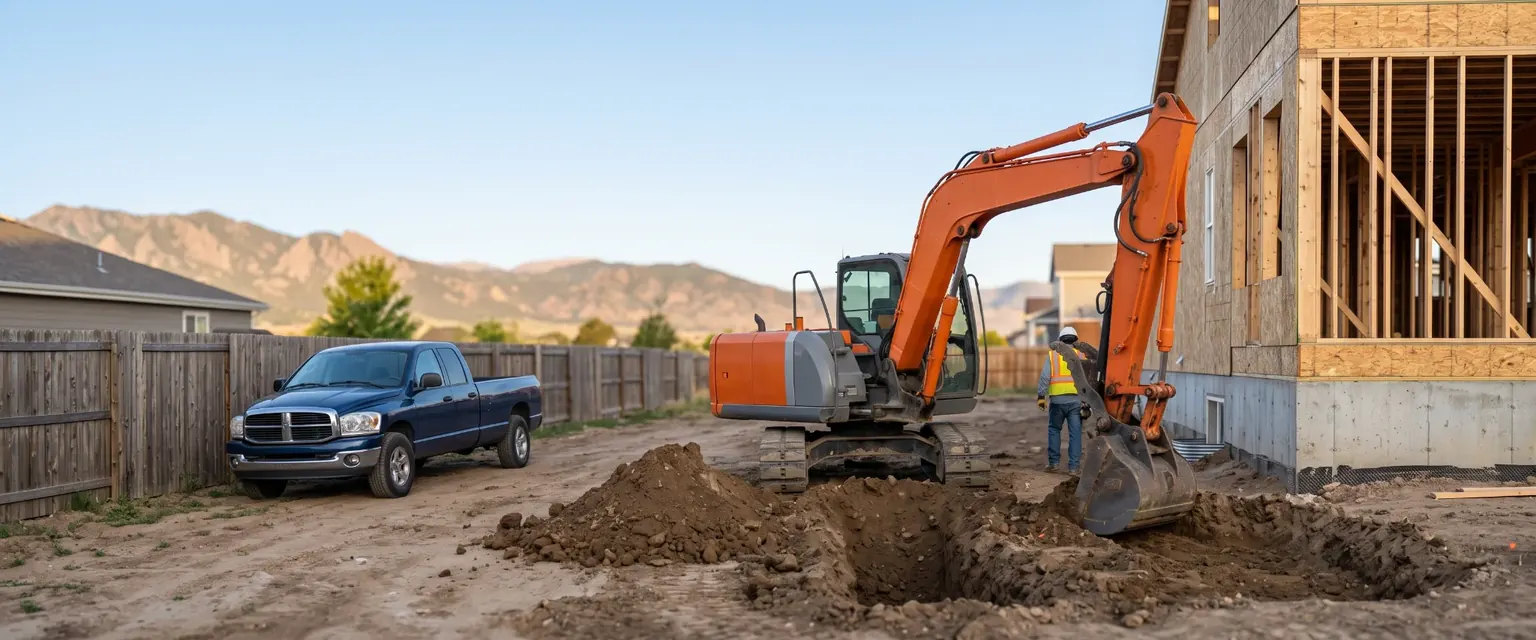
General liability
Pays when your work hurts someone else or their property. The one every GC asks about first. General liability explained -
 Coverage
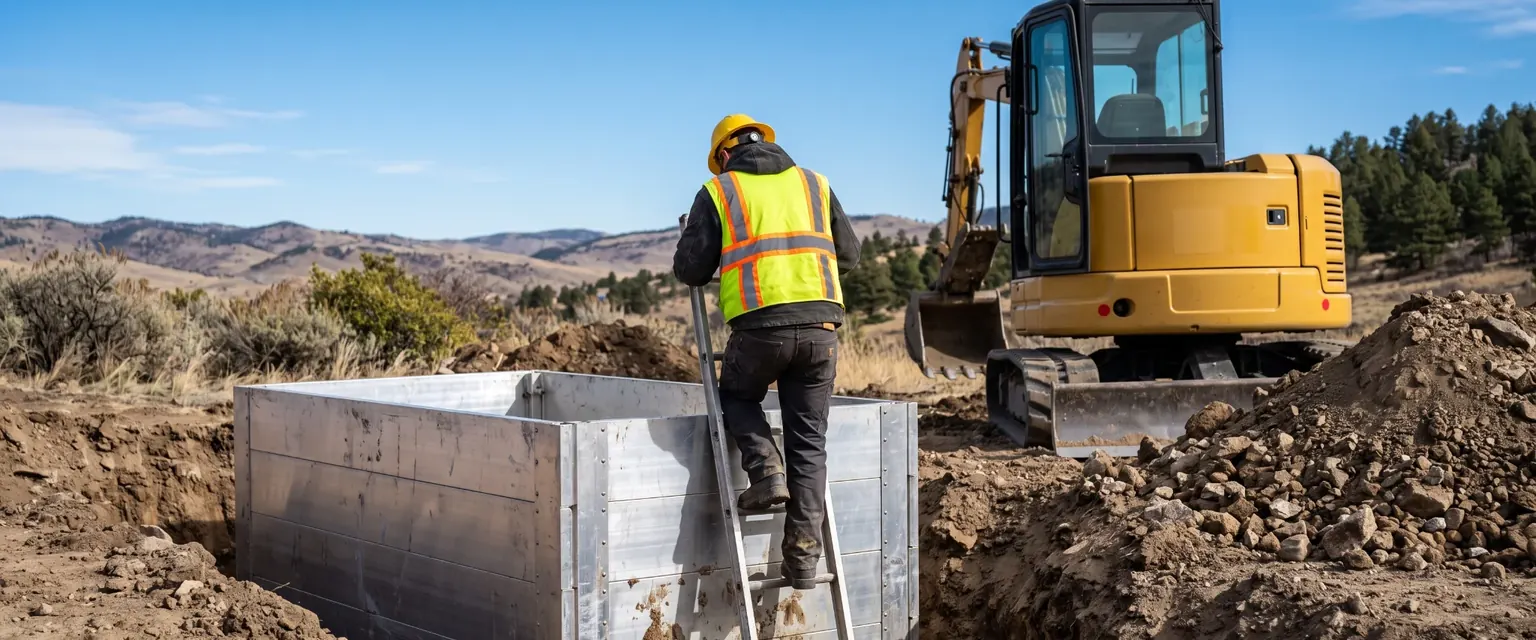
Workers' compensation
Pays your employee's medical and lost wages when they get hurt. Required at the first hire in Colorado. Workers' compensation explained -
 Coverage
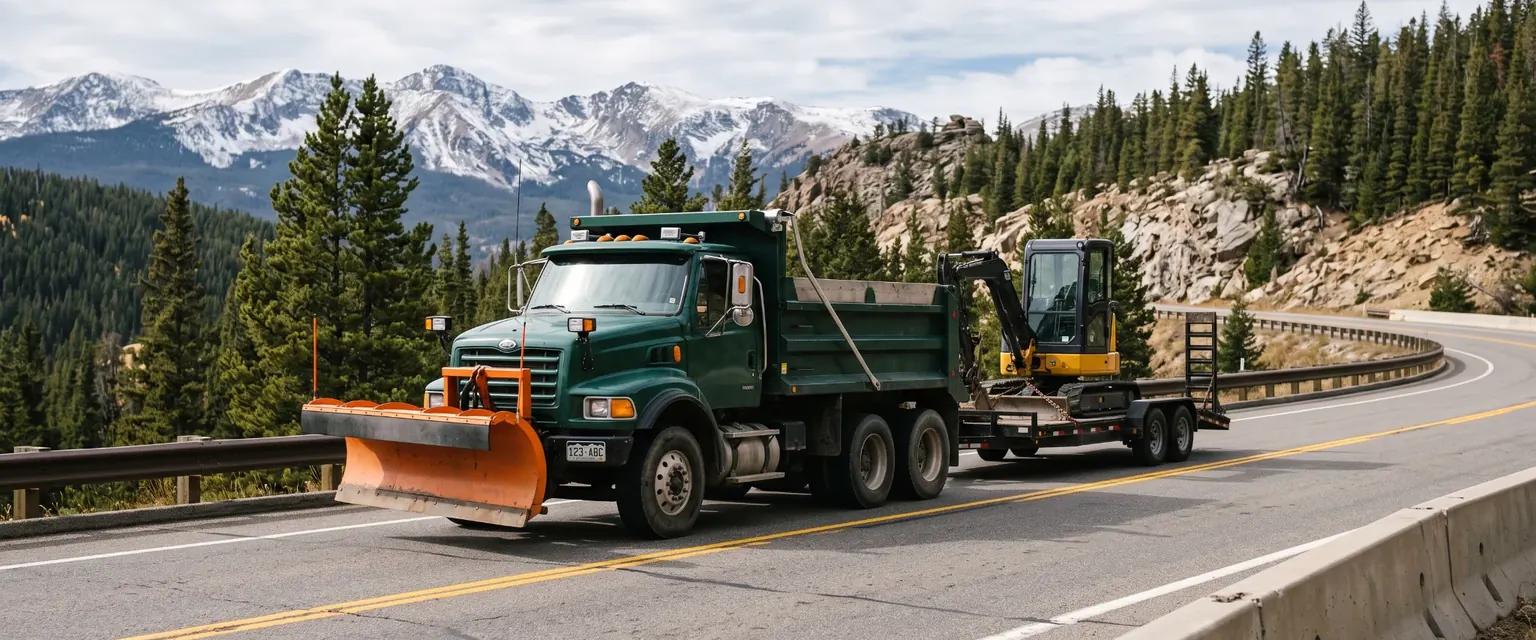
Commercial auto
Covers the dump truck, the plow truck, and the crew pickup on the road. Personal auto typically won't. Commercial auto explained
Does general liability cover water damage from an irrigation system I installed?
Do I need a plumbing license to install backflow preventers in Colorado?
Are fall blowouts covered if a system freezes anyway?
What does an HOA contract usually ask an irrigation contractor for?
Statutes and numbers on this page last verified September 2, 2026 by a licensed Colorado producer. How we verify.