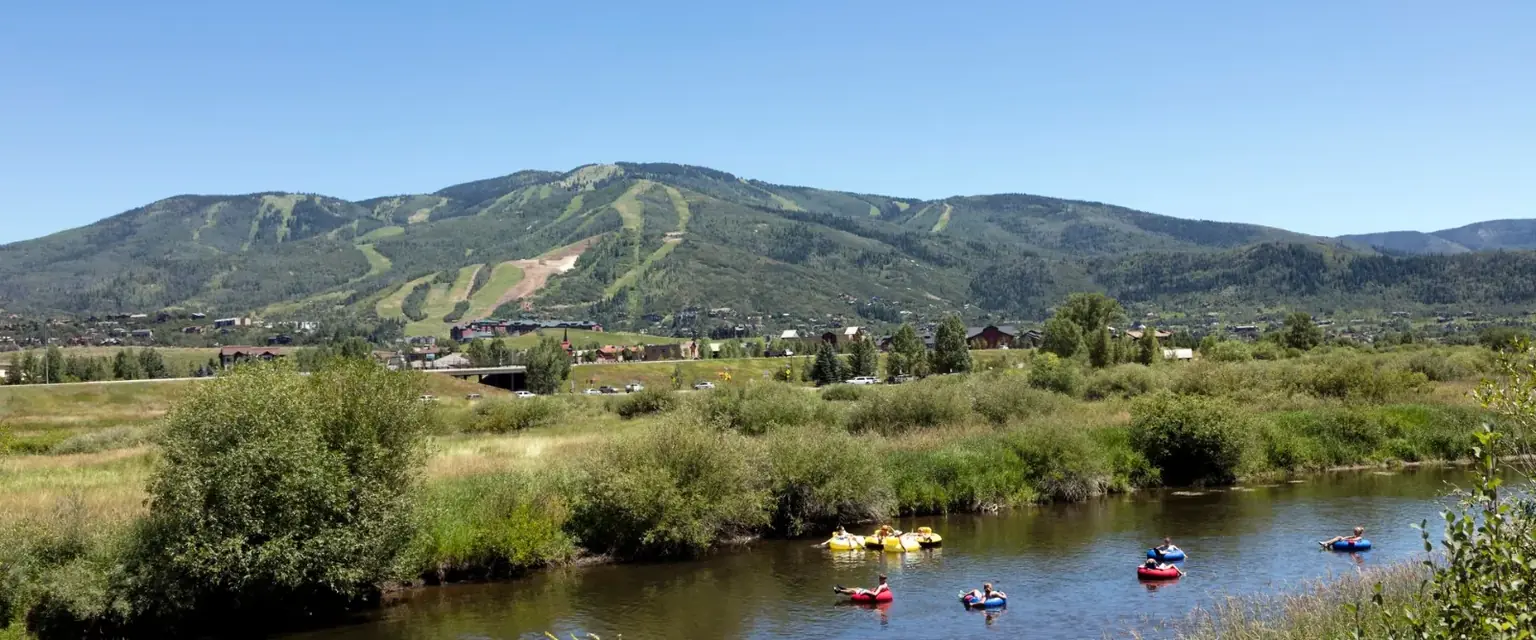
COLORADO · MOUNTAINS · YAMPA VALLEY
Excavation, Landscaping, and Snow Insurance in Steamboat Springs and Routt County
Steamboat is the mountain town where snow removal is a roof job as often as a lot job, and where the same contractor is grading a ranch road outside Yampa the next summer. The policy has to know both.
Steamboat Springs at a glance
- Licensing
- The Routt County Regional Building Department registers contractors for the county and its towns with proof of liability insurance and workers' comp but lists no excavation or landscaping class, grading needs a separate permit with thresholds we couldn't read, septic runs through an Environmental Health registration program that is unverified on our side, and Steamboat's ordinance puts same-day sidewalk snow removal on the adjacent owner.
- Ground
- Silty clay and sand over gravel with a high spring water table on the Yampa Valley floor, slick clay on volcanic and sedimentary rock with slump terrain on the hillsides toward the ski area and Rabbit Ears, and clay loam over shale on the sagebrush benches toward Hayden and Oak Creek.
- Snow
- Wet, heavy snow on a west and northwest flow stacks on roofs as much as lots; roof-shed crews carry a fall and a property-damage exposure at once, lodging runs on accumulation triggers, HOAs and commercial lots write one-inch or two-inch per-push or seasonal contracts, and the city's same-day sidewalk rule and on-site storage rule flow down into every downtown contract.
- Contracts
- Lodging and HOA managers ask for $1M/$2M general liability with additional insured, primary and non-contributory wording, a waiver of subrogation, $1M auto, and an umbrella on larger properties; city and county work adds a certificate to the jurisdiction; ranch work carries almost no certificate ask unless a cost-share program is paying.
Steamboat gets more snow than most people who haven’t lived there believe, and it gets it wet and heavy, the kind that sits on a roof until somebody takes it off. That makes the snow contracts here different from the ski-town contracts over in Summit. The summer work is different too: ranch roads, stock ponds, and septic on big parcels from Hayden to Yampa. This page covers what that does to an excavation, landscaping, or snow removal policy in the Yampa Valley.
The licensing reality in Steamboat Springs and Routt County
One building department for the whole county, and it registers rather than licenses. The Routt County Regional Building Department, which serves rural Routt County, Steamboat Springs, Hayden, Oak Creek, and Yampa, registers contractors as general, electrical, or plumbing/mechanical and requires single-limit liability insurance of at least $300,000 plus workers' compensation for contractors with employees; it lists no separate excavation, demolition, or landscaping class. (Routt County Regional Building Department, Contractor Registration form; Building Department page) [VERIFY] Two things about that. The insurance figure carries a verify badge because we read it on the department’s older form; ask the department what today’s form says before you register. And there is no excavation or landscaping class, so an outfit that only moves dirt should ask whether registration applies at all rather than assume either way.
Grading is its own permit. Routt County Regional Building Department requires a separate permit before grading work involving excavation or filling, with the rural-county thresholds published by Routt County; the county Road & Bridge permit and grading-threshold pages could not be fetched. (Routt County Regional Building Department, Permitting Requirements) [VERIFY] As of our last check the county’s threshold and Road & Bridge permit pages were unreachable, so we can’t tell you the square footage that triggers it or what a county right-of-way permit asks for on insurance. Road & Bridge is the office for the second question.
Septic is Environmental Health. Routt County Environmental Health administers the Routt County On-Site Wastewater Treatment Systems Regulations (a 2026 local regulation adopted May 12, 2026 appears in the county DocumentCenter) and maintains an OWTS contractor registration program; the pages could not be fetched, so the registration requirement is unverified. (Routt County Local Regulations for OWTS (adopted 5/12/2026); OWTS Contractor Registration Information) [VERIFY] A new local regulation this year and a registration program we couldn’t read. If you install or pump in Routt County, call the department before the first permit; our septic installer page covers the coverage side, which doesn’t change by county.
The city adds a snow ordinance, covered below. And countywide, a piece of the wildland code that reaches roofing and exterior work more than dirt work, but which every clearing and defensible-space contractor should know appears to be on the books: Routt County jurisdictions adopted four sections of the 2021 International Wildland-Urban Interface Code effective January 1, 2024, covering wildfire-protective roof assemblies, roof valley flashing, noncombustible gutters and downspouts, and vents screened to one-quarter inch, for new construction, additions, alterations, repairs, and replacements. (Steamboat Pilot, "Several wildfire resilient building codes start Jan. 1" (2021 IWUIC sections adopted by Routt County Regional Building Department)) [VERIFY]
Terrain and soil
The Yampa Valley floor is river bottom: silty clay and sand over gravel, with a water table that comes up to meet you in May when the Yampa runs high. Dig a basement on the west side of Steamboat in spring and you’re dewatering. Up the hill toward the ski area and out along Rabbit Ears Pass you’re into clay-heavy soils on volcanic and sedimentary rock, and that clay is slick, holds water, and moves on slopes. Slump terrain is common on the steeper ground around town. West toward Hayden and south toward Oak Creek and Yampa the ground opens into sagebrush benches with clay loam over shale, workable in summer and gumbo after a storm.
What it does to the work. Trenches in the valley bottom need dewatering and a box. Retaining walls on the hillside lots hold back clay that stays saturated all spring, and the failures we hear about are slow: a wall that bulges in June, a driveway that slumps toward the creek. Both land on completed operations, years later, on the general liability policy the contractor had at the time. Ranch work is a different exposure: a stock pond dam compacted with an 84” Bomag on clay that looked right and wasn’t, a road cut through a shale bench that raveled, a ditch crossing that washed out the county road below it. The math on ranch work is that the job is big, the certificate ask is small, and the neighbor downstream is the claimant.
Frost is deep and the season is short. Machines come out of the yard in May and go back by November, and a tracked machine left on a ranch lot near Clark all winter is an inland marine question the schedule needs to answer.
Snow, and what the contracts trigger
Steamboat’s snow is famous for a reason. It comes in on the west and northwest flow that piles up against the Park Range, wet enough to stick and heavy enough to matter on a roof. The roof is the contract that makes this valley different. Commercial buildings, condo complexes, and older homes on the north side hire roof-shed and roof-shoveling crews, and that’s a fall-from-height exposure and a property-damage exposure at the same time. A crew member goes through a skylight, and the snow that comes off lands on a car, a gas meter, or a person. Workers’ comp for the first, GL for the second, and the GL form has to say roof work isn’t excluded.
Ground contracts read three ways. Ski-area-adjacent lodging and the mountain-base condos run on accumulation triggers with continuous storm service. HOAs and commercial lots in town commonly carry a one-inch or two-inch trigger with per-push or seasonal billing. And the city has an ordinance that puts the sidewalk work on the property owner, who puts it on you. Steamboat Springs holds adjacent property owners and tenants responsible for same-day removal of snow from sidewalks, requires snow from private property or sidewalks to be stored on private property rather than in the city right-of-way, and cites Municipal Code Sec. 20-5 and Sec. 15-6, Paragraph 7 for depositing snow in streets. (City of Steamboat Springs, Winter-Snow Removal page; Steamboat Springs Municipal Code Sec. 20-5; Sec. 15-6 ¶ 7) That’s a short window when a storm runs two days, and the storage rule means the pile has to stay on the property, which on a downtown lot means hauling. Put the haul-off in the contract, and put the truck doing the hauling on the commercial auto. Our commercial snow and ice management page covers the indemnity language and the statute that voids part of it.
Contract norms we see here
Three markets, three asks. Resort and lodging property managers ask for the mountain-town standard: $1M per occurrence and $2M aggregate general liability, $1M auto, the association or manager as additional insured on a primary and non-contributory basis, a waiver of subrogation, and on the larger properties an umbrella. Roof-shed contracts add questions about fall protection and a certificate showing workers’ compensation before anyone goes up a ladder. City and county work asks similar limits plus a certificate to the city or county as holder and, on right-of-way jobs, whatever Road & Bridge sets for the permit.
Ranch work is the third market, and it’s the one with the least paper. A rancher outside Hayden hiring you to build a road and a pond generally won’t ask for a certificate. Some will if a federal cost-share program is paying for part of it, and then the certificate ask comes from the program, not the rancher. Your grading and site prep coverage has to be right anyway, because the claimant on ranch work is the neighbor below the dam.
What we don’t control is the property manager’s certificate template, which is usually written in Denver for a national snow firm. Send it over before you sign.
Nearby
Around Steamboat we work with contractors in Hayden, Oak Creek, Yampa, Clark, and the ranch country in between, plus the crews who run west to Craig and east over Rabbit Ears to Walden. South over Gore Pass and down through Kremmling the market becomes the resort valley on our Vail and Eagle County page, and beyond that the stricter permit calendar of Summit County, Breckenridge, and Frisco. The rest of the state is on the Colorado hub.
Already carry coverage? Send the dec pages to the policy review and we’ll find the roof exclusion, the completed-operations line, and where the dozer is scheduled. Picking up your first lodging or roof-shed contract? Get Insured lists what to have ready.
Serving businesses located in Colorado. Coverage is determined by the policy language and the carrier.
Trades
Trades common in Steamboat Springs.
-
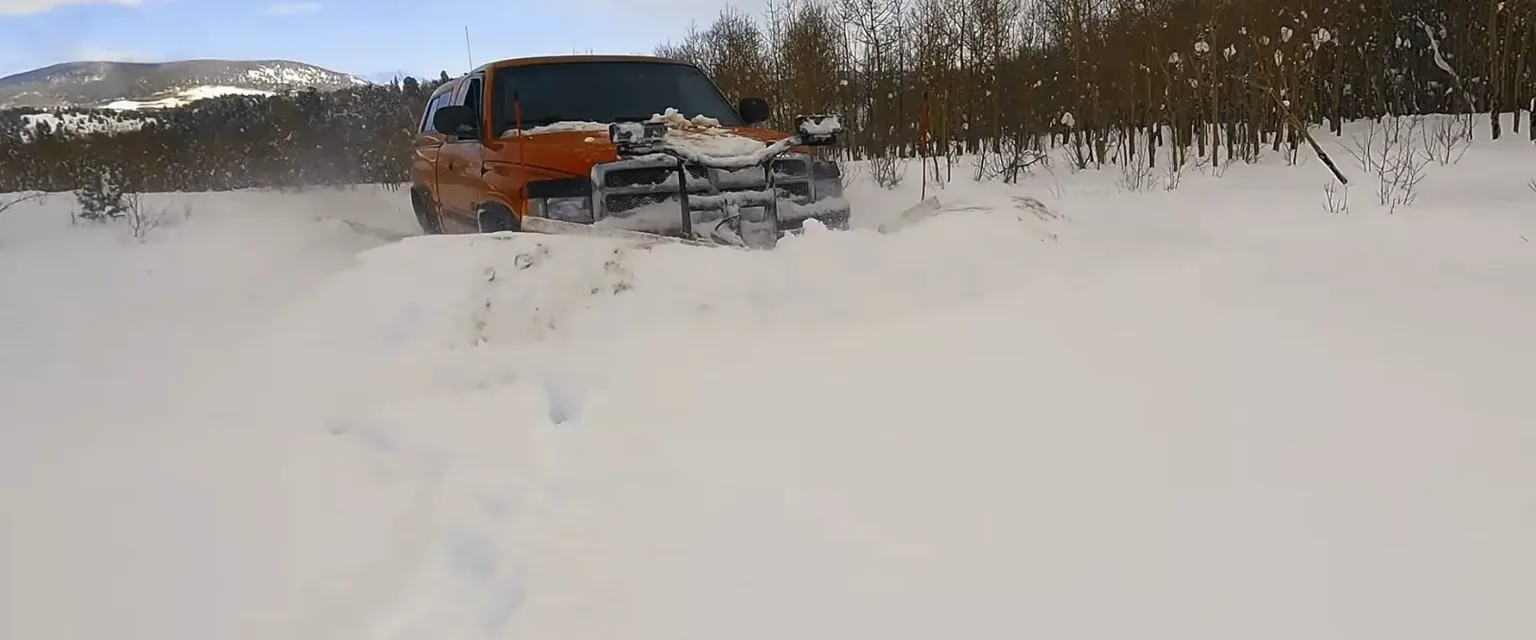 SNOW TRADE
Commercial Snow and Ice Management
Commercial snow is a contract business first and a plowing business second. The lot, the log, and the indemnity clause decide the claim. Here's what a Colorado commercial snow and ice policy has to do, from an agency that runs a pusher box on commercial lots above 9,000 feet. Commercial Snow and Ice Management insurance -
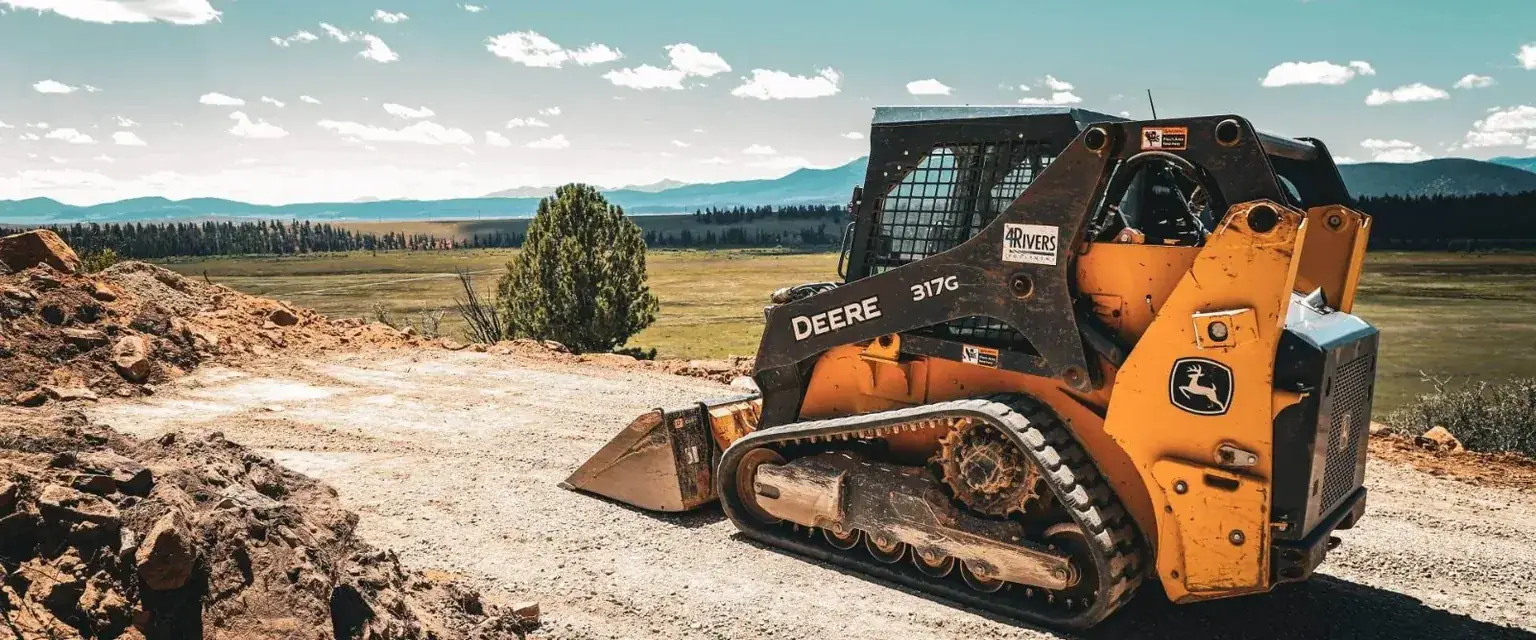 EXCAVATION TRADE
Grading and Site Prep
A pad that drains the wrong way, a wall that bulges after a wet spring, silt in the neighbor's yard after a July storm. Grading claims show up late and argue about who was at fault. Here's what the policy has to do. Grading and Site Prep insurance -
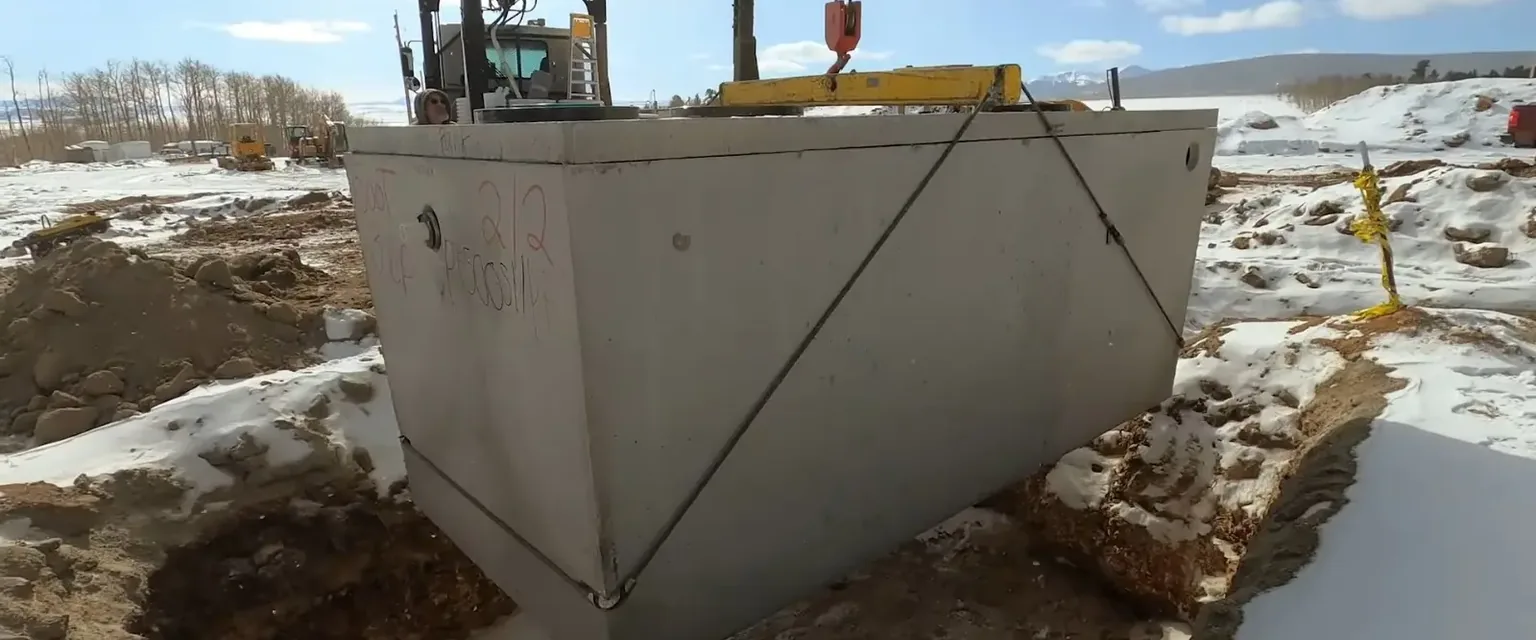 EXCAVATION TRADE
Septic Installer
The tank is in, the county signed off, and the customer paid. Your exposure on that system runs for years after that. Here's what a septic installer's policy has to do in Colorado, and where the standard forms fall short. Septic Installer insurance
Nearby
Working outside Steamboat Springs? The next pages over.
Do I need a contractor license in Steamboat Springs or Routt County?
What does Steamboat's sidewalk snow ordinance mean for a snow contractor?
Is roof snow removal covered under a standard contractor GL?
Statutes and numbers on this page last verified September 2, 2026 by a licensed Colorado producer. How we verify.