COLORADO · FRONT RANGE AND PLAINS
Excavation, Landscaping, and Snow Insurance in Greeley and Weld County
Weld County is where the dirt work shares the ground with well pads, flowlines, and irrigated farm ground, and where the wind decides your schedule. Greeley's contractor license goes mandatory soon. Here's what all of that does to a policy.
Greeley at a glance
- Licensing
- Greeley requires a city contractor license for all general and specialty trade contractors starting January 1, 2027, a business license plus a Public Right of Way contractor license for work in the public space, and Weld County requires a Right-of-Way Use Permit on every county road; the county licenses septic installers and, as of our last check, publishes no general contractor license.
- Ground
- Sandy loam and clay loam on the river terraces, high water tables in the Platte and Poudre bottoms, blow sand on the uplands, hail every summer, and a locate ticket that comes back with more operators than anywhere else in the state.
- Snow
- Less accumulation than the foothills but wind that turns a few inches into ground blizzards and drifts across US 85 and the county roads, a 24-hour sidewalk rule in Greeley, and municipal, ag, and oil-and-gas lease contracts that read nothing alike.
- Contracts
- Operator master service agreements with pollution and umbrella asks well above city norms, municipal work through the license and the ROW permit, ag work on a handshake, and for-hire hauling that pulls in federal motor carrier rules.
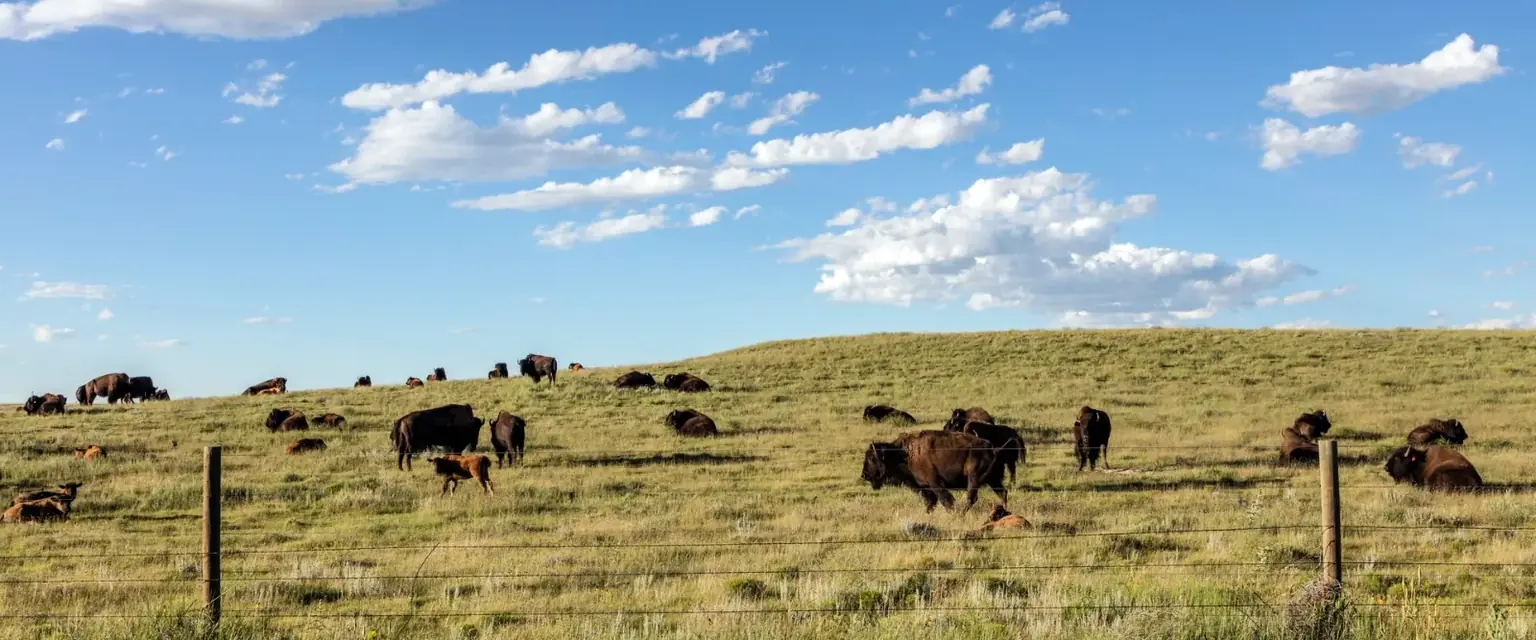
Greeley smells like money, as the locals say, and the money is beef, corn, and oil. That’s the whole market in three words. A dirt contractor in Weld County builds pads for operators one month, cleans a dairy lagoon the next, hauls pit-run off the Platte for a GC in Windsor, and plows a school district lot in January with the wind blowing it shut behind the truck. This page covers what that mix does to excavation, landscaping, and snow removal policies here, and how it differs from Fort Collins up the road. The statewide view is on the Colorado hub.
The licensing reality in Greeley and Weld County
The big change is dated. Starting January 1, 2027, all general and specialty trade contractors must hold a City of Greeley contractor license from the Building Inspection Department before applying for permits, starting construction, making alterations or repairs, or performing demolition regulated by the department. (City of Greeley news release, Contractor License Required for Permits in Greeley Starting January 1, 2027 (Aug. 10, 2026)) The release doesn’t give the classes or the insurance limits, so we can’t tell you yet what the certificate has to show. Building Inspection can. If you pull Greeley permits, start the license conversation before December, when every specialty crew in the county is in the same line.
Right-of-way work in Greeley is already licensed. Greeley requires every contractor doing construction work in the public space (including right-of-way) to hold a City business license and a Public Right of Way contractor license ($110 fee), with Right of Way permits issued by Public Works. (City of Greeley, Public Space Permitting; Business Licenses and Resources) The insurance and bond figures are in a permitting document we couldn’t reach; ask Public Works for the current sheet.
On county roads: Weld County requires a Right-of-Way Use Permit for all construction activities within county rights-of-way, gravel or paved, including public drainage easements. (Weld County Public Works, Right of Way Permits) Gravel or paved. That covers a driveway culvert east of Kersey and a utility crossing on a lease road that is also county right-of-way. No insurance or bond figure is on the permit page; ask Public Works what the certificate needs to name.
Unincorporated Weld is a different picture from the city. Weld County's Building Inspection Division pages reference only state electrical and plumbing licensure enforcement and do not describe a county contractor license for general, excavation, or landscape work in unincorporated Weld County. (Weld County Building, Building Permit Applications and Inspections) [VERIFY] That’s a negative claim, so it carries a verify flag. Confirm with Weld County Building before you build a bid on it.
Septic is licensed. The Weld County Department of Public Health and Environment's Environmental Health Services Division permits septic systems with flows under 2,000 gallons per day and licenses septic system installers and cleaners under the OWTS regulations in Chapter 30 of the Weld County Code. (Weld County DPHE, Septic Systems (On-site Wastewater Treatment Systems); Weld County Code Ch. 30)
And the locate rule. Colorado law requires notice to Colorado 811 at least two business days before excavating, not counting the day you call (C.R.S. 9-1.5-103(3)(b)); Colorado 811 phrases the same window as three full business days, so a Monday call means a Thursday dig. (C.R.S. 9-1.5-103(3)(b)) The marks: Locate markings stay valid while clearly visible, but for no more than thirty calendar days after the locate request due date (C.R.S. 9-1.5-103). (C.R.S. 9-1.5-103) A ticket in the DJ Basin comes back with the gas utility, the electric co-op, the ditch, the fiber, and every operator with a flowline or gathering line across the parcel. In our experience that list is the longest in the state, and the marks in a disked field are gone in days. And this one: Under C.R.S. 9-1.5-104.5(2)(d), a contractor who damages an underground facility after failing to notify Colorado 811, or failing to use reasonable care, is presumed liable for the owner's repair or replacement costs, litigation costs and attorney fees, and any resulting injury or property damage. (C.R.S. 9-1.5-104.5(2)(d)) On a lease road with a gathering line under the shoulder, that presumption is the entire claim, and the fines sit on top: SB 18-167 (2018) created the Underground Damage Prevention Safety Commission (C.R.S. 9-1.5-104.2), whose maximum fines under C.R.S. 9-1.5-104.4(3) run from $250 for a first minor violation to $75,000 for a fourth or later major violation within twelve months. (C.R.S. 9-1.5-104.2; 9-1.5-104.4(3); SB 18-167) Fines are not insurable under most standard forms.
Terrain and soil
Easy digging, mostly. The terraces along the South Platte and the Cache la Poudre are sandy loam and clay loam, a mid-size excavator moves through it all day, and the trench walls stand until they don’t. The water is the issue. In the river bottoms around Kersey and La Salle the water table comes up with the irrigation season, so a septic field or a basement dug in July dewaters from the first bucket.
Up on the uplands north and east of town it’s blow sand and clay, dry as a bone, and the wind owns it. Silt fence goes flat, stockpiles walk across the section, and a tarp off a Mack dump truck ends up in the next county. Hail dimples the yard most summers and scatters rock mulch into HOA turf for the mower crews to find.
Then the ground you didn’t put there. Weld County has a century of irrigation laterals, abandoned flowlines, pipeline corridors, and buried tanks, and not all of it is on a map. A tracked machine crossing a pasture to reach a pad is crossing something. That’s the exposure an underwriter sees on a Weld County application: not the dirt, what’s in it.
For the ag side, the work is ponds, ditch cleaning, feedlot and corral grading, and dairy lagoons. A lagoon is a pollution exposure with a fence around it, and that’s the part most GL forms exclude. The pollution liability page covers why a standalone policy exists.
Snow, and what the contracts trigger
Greeley gets less snow than Boulder or Castle Rock and worse driving. A few inches with a northwest wind turns into a ground blizzard that closes US 85 and CO 392 and drifts a county road shut behind the plow. The snow you moved at 6 a.m. is back in the lane at 8. Contracts that pay per push get complicated on those days, and contracts that pay per inch don’t describe what happened at all.
The city rule: Greeley requires property owners to clear sidewalks of snow within 24 hours of the storm ending. (City of Greeley, Street and Sidewalk Services) No fine amount is on the page, so we don’t quote one. Municipal and school district lots run one-inch triggers on a seasonal number; HOA routes in west Greeley and Windsor run two-inch triggers per push. Ag and lease-road plowing is a phone call and a per-hour rate with a skid steer, and the operator’s MSA still applies if you’re on their lease.
Colorado’s snow law applies to the private contracts, not to contracts with public bodies or for roads. Colorado's Snow Removal Service Liability Limitation Act (C.R.S. 13-21-129, effective August 8, 2018) voids any snow-and-ice contract clause that requires one party to indemnify, hold harmless, or defend the other for the other party's own acts or omissions, but only where the service provider was prohibited, by the contract or in writing, from mitigating the specific snow or ice event at issue. (C.R.S. 13-21-129(3), (4); SB 18-062) Keep the emails. The residential and HOA plowing page covers the personal truck with a Boss blade, which is how most Weld County plowing starts.
Contract norms we see here
Four kinds of paper, and they don’t rhyme. Operator master service agreements are the heaviest: $1M/$2M on the GL with the operator as additional insured, $1M on the commercial auto, pollution liability as a separate line, a waiver of subrogation, and an umbrella ask that runs well above what any city in the county requires. The figure is in the MSA. Send it.
Municipal work runs through the license and the ROW permit, with the city as additional insured and a bond. Ag work is a handshake and a text message, and it’s where the uninsured claim lives: the neighbor’s ditch you cut, the lagoon that overtopped, the cow that got into the excavation. For-hire hauling is the fourth: haul pit-run for a GC at a per-ton rate and you’re in federal motor carrier territory, and the dump truck and aggregate hauling page covers the filing and the for-hire auto form.
Lawn care crews here carry one more line: Under C.R.S. 35-10-106(1)(a), a Colorado commercial pesticide applicator business must carry liability insurance of at least $400,000 (a policy with a pollution exclusion still qualifies) with ten days' cancellation notice to the Commissioner of Agriculture. (C.R.S. 35-10-106(1)(a); 8 CCR 1203-2) Note the last clause. The statutory minimum doesn’t require pollution coverage, so a drift claim from a windy afternoon in Evans lands on the GL pollution exclusion. The lawn care page walks through that gap.
What we don’t control: the operator’s read of its own indemnity clause after a strike on a line nobody marked.
Nearby
We work with contractors from Evans, Windsor, Johnstown, Milliken, Eaton, Kersey, La Salle, and Fort Lupton. West on US 34, Fort Collins and Loveland license contractors citywide and permit every cut in the right-of-way. South on US 85, Denver licenses by supervisor certificate and runs the densest snow contract market we see in the state.
Where to go from here
Already insured and signing MSAs? Send the dec pages and the operator’s insurance exhibit to the policy review and we’ll check the pollution line, the umbrella attachment, and whether the auto form matches the hauling. Starting out? Get Insured lists what to have ready. No online quote. A Weld County book is built around whose paper you sign and what’s buried under the pasture.
Serving businesses located in Colorado. Coverage is determined by the policy language and the carrier.
Trades
Trades common in Greeley.
-
 EXCAVATION TRADE
Dump Truck and Aggregate Hauling
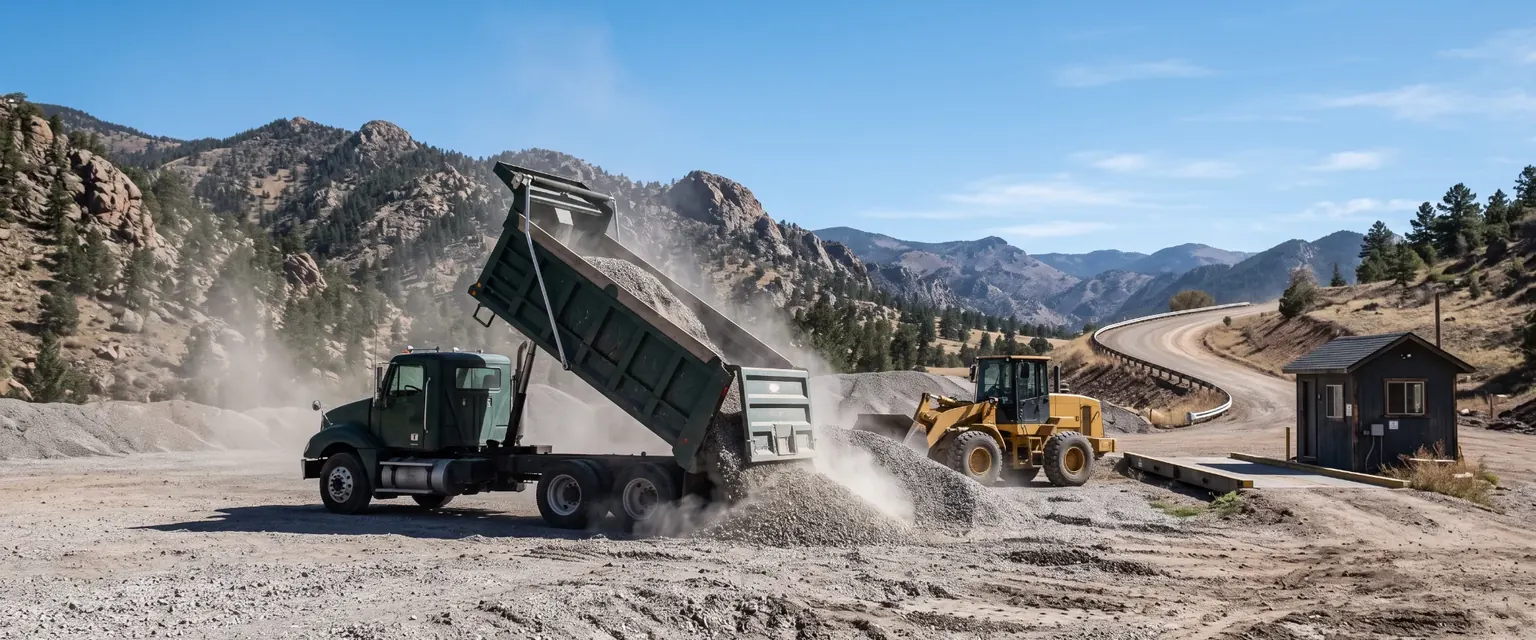
A loaded Mack dump truck is the most expensive thing most dirt outfits put on a public road. Whether it hauls your own material or someone else's for a fee changes the whole policy. Here's where that line sits in Colorado, and what the truck, the load, and the driver each need. Dump Truck and Aggregate Hauling insurance -
 LANDSCAPING TRADE
Lawn Care and Maintenance
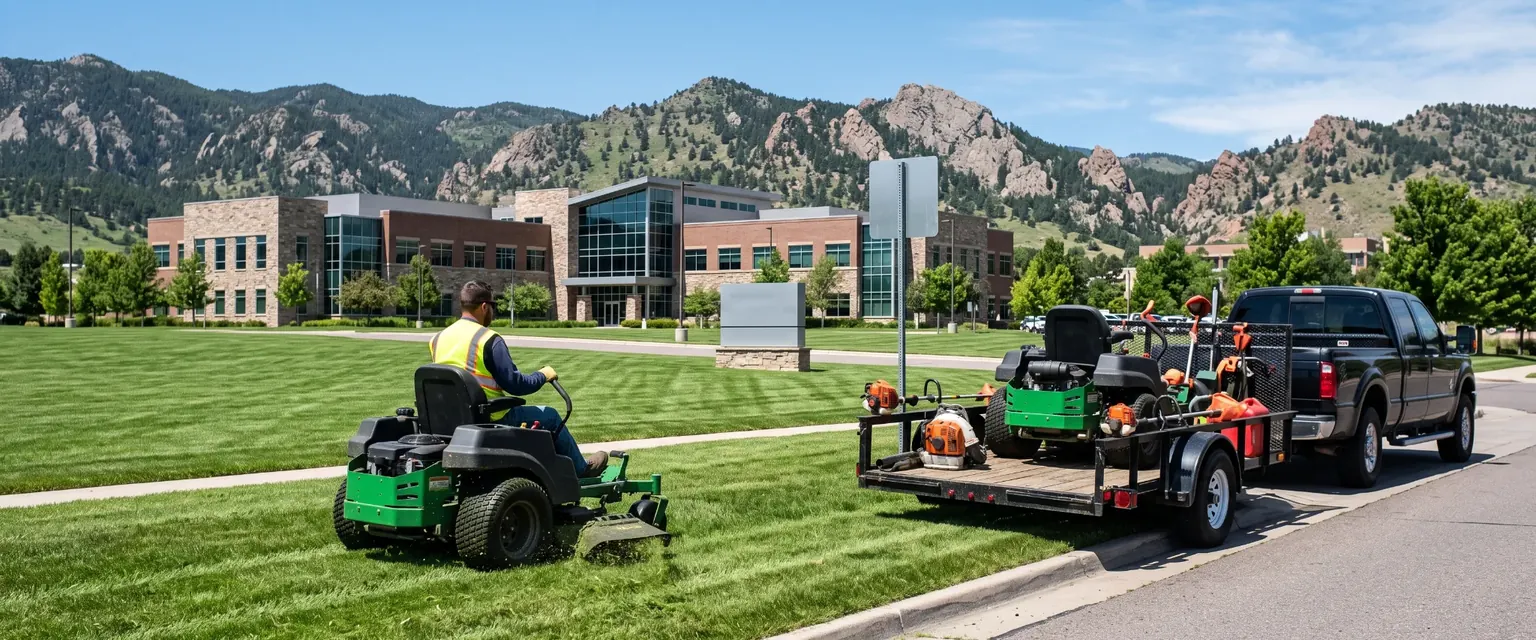
Maintenance is the landscaping trade with the most claims per dollar of revenue. Not the biggest claims. The most. Here's what a Colorado lawn care policy has to catch, from rock-throw to the plow you put on the same truck in November. Lawn Care and Maintenance insurance -
 EXCAVATION TRADE
Utility Trenching
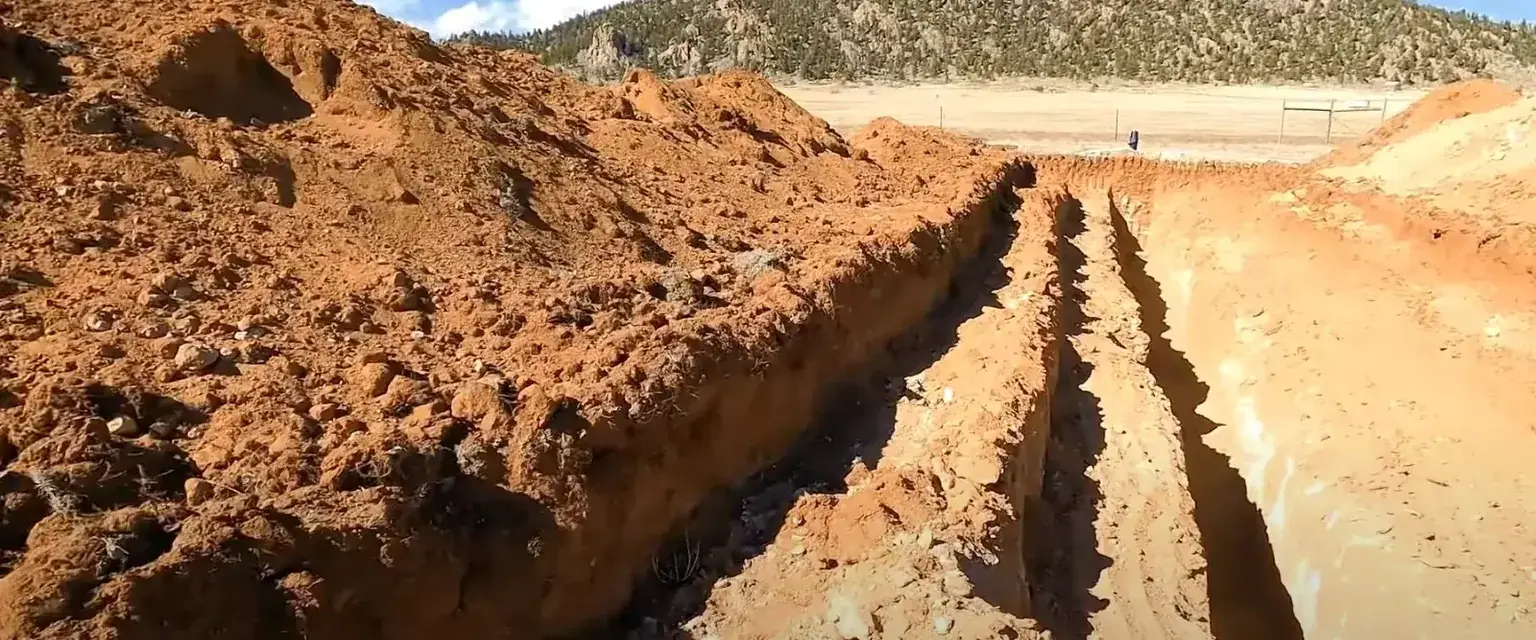
You hit a gas line. Here's who pays, and what your policy has to say for the carrier to be in the conversation. Trenching is the excavation trade where the law, the locate ticket, and the GL form all show up on the same claim. Utility Trenching insurance
Nearby
Working outside Greeley? The next pages over.
Do I need a Greeley contractor license?
Are oil and gas flowlines marked by Colorado 811?
What insurance does an oil and gas operator ask a dirt contractor for?
Statutes and numbers on this page last verified September 2, 2026 by a licensed Colorado producer. How we verify.