SNOW TRADE
Residential and HOA Snow Plowing Insurance in Colorado
Most residential plowing in Colorado starts with a pickup, a blade, and a personal auto policy that was never told. Here's what an HOA and driveway plowing policy has to do, from an agency that plows driveways above 9,000 feet in the dark.
Your truck with a plow on it is not covered the way you think. That’s how most residential snow calls start, because the operation grew out of a pickup and a favor for the neighbors, and the insurance never caught up. Then an HOA in Castle Rock asks for a certificate naming the association, and the whole thing has to become a business on paper in a week. This page sits under our snow removal hub. If your accounts are retail lots and national subcontracts, the commercial snow and ice management page is the better fit.
What the underwriter sees on a residential and HOA snow application
Two things: the trucks and the HOAs.
The trucks, because the underwriter wants to know what’s plowing, who owns it, and what policy it sits on. A three-quarter-ton with a V-blade on commercial auto is a normal risk. Three employees plowing HOA streets in their own half-tons on personal policies is a hired and non-owned auto problem with your name on it.
The HOAs, because an association contract turns driveway work into contract work. The underwriter asks for a sample: scope, trigger depth, whether sidewalks and ice are in it, the indemnity clause, and the insurance section. A management firm with thirty communities in Douglas County sends certificate requests all winter, and the GL needs a blanket additional insured endorsement to keep up.
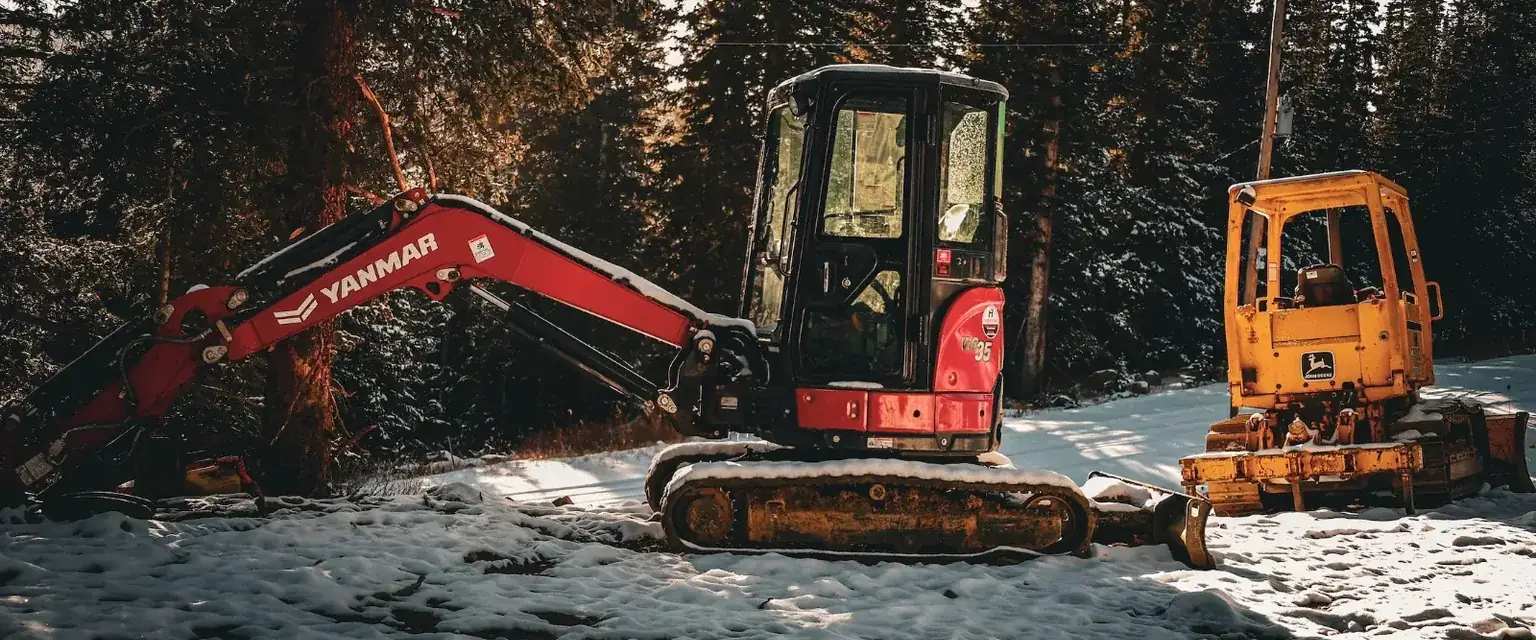
Then the picture. Driveway count and HOA count. Sidewalk crews. Equipment: trucks, blades, a UTV with a blade, walk-behind snowblowers, a Yanmar mini skid steer with a broom, a tailgate spreader. Whether you apply de-icer. Whether this is your whole business or the winter half of a landscaping outfit, which is the most common Colorado version and the most common gap.
Colorado adds the texture. Palmer Divide upslope storms drop two feet on Castle Rock while Aurora gets six inches and wind. Vail driveways are steep, shaded, and icy from November to April, and the garage doors at the bottom of them are expensive. Every north-facing driveway above 7,000 feet refreezes by 4 p.m.
The five exposures that produce residential snow claims
- The personal truck with a plow. A half-ton with a Boss straight blade clears an HOA cul-de-sac in Castle Rock during a Palmer Divide upslope storm and slides into a parked SUV. The personal auto carrier’s first question is what the truck was doing there at 4 a.m. Under most personal forms, business use is excluded.
- Slip-and-fall on HOA walks. A resident in an Aurora townhome community goes down on a sidewalk your crew cleared at 5 a.m. that refroze after a Chinook melt. The association tenders it to you under the contract. General liability, if snow is on it, and the log is the defense.
- Mailboxes and garage doors. A Western blade catches a cluster mailbox in Parker in a whiteout, and the same week a blade lip catches the bottom panel of a garage door on a steep driveway in Vail. Small, frequent GL claims, and the deductible does the talking.
- Spring damage. In April the frost comes out and the Castle Rock HOA sends a list: forty feet of sod scalped along the driveway edges, a drainage swale bladed off, and a row of landscape lights. Freeze-thaw and a straight blade without shoes. GL, subject to the deductible.
- Sidewalk crews. Two shovelers hired for the winter in Eagle-Vail. One goes down on a north-facing driveway that never sees sun and breaks a wrist. Workers’ compensation, and Colorado requires it from the first employee, seasonal included.
Things go wrong every winter. The stack below is built so each of these lands on a policy written for it.
The coverage stack we’d build
| Coverage | Why | Typical contract requirement |
|---|---|---|
| General liability, snow disclosed and rated | Slip-and-fall on HOA walks, mailboxes, garage doors, sod, and the contractual liability in the association agreement. | $1M per occurrence / $2M aggregate; association and manager as additional insured; primary and non-contributory |
| Commercial auto | Every plow truck, year-round. Personal auto forms commonly exclude business use, and a blade on an HOA street for money is business use. | $1M combined single limit; hired and non-owned for employees plowing in their own trucks |
| Workers’ compensation | Shovelers, snowblower crews, and drivers on ice at 4 a.m. Required at the first employee, seasonal included. | Statutory; waiver of subrogation on most HOA contracts |
| Contractors equipment (inland marine) | Blades, spreaders, the UTV, snowblowers, the mini skid steer. Theft from the driveway and a blade that goes through the ice into a culvert. | Rarely in the contract; your lender, and the price of a V-blade |
| Umbrella / excess | For the management firm that asks for more than the GL carries, and for the fall that turns into a hip replacement. | $2M on some HOA and management contracts; rare on driveway work |
The line that decides most residential snow claims is the auto one. Under most personal auto forms, business use is excluded, and some carriers treat the blade itself as unlisted equipment. Still covered: the drive to the grocery store. Commonly not: the SUV in the cul-de-sac at 4 a.m. Commercial auto is where the $1M the HOA asked for actually lives.
Contract requirements you’ll run into
- HOAs and their management firms. $1M/$2M general liability with the association and the management firm as additional insured, primary and non-contributory wording, a waiver of subrogation on workers’ comp, and commercial auto on the trucks. Some add an umbrella. Certificate requests come every renewal and every new community the firm picks up.
- Metro districts and townhome communities. Same shape, plus scope language about sidewalks and ice. If you own ice, the underwriter wants to know, and so does your log.
- Residential driveways. Rarely any paper. A neighbor whose car you clipped does not need a contract to make a claim.
- The landscaping contract that mentions snow. Many HOA landscape agreements fold plowing into the same contract. If your GL was written for mowing, the snow section of that contract is uninsured until it isn’t.
Certificates usually go out the same business day; it depends on the carrier and the holder’s wording.
Colorado notes for residential and HOA plow contractors
The plow truck. Colorado requires minimum auto liability limits of $25,000 per person and $50,000 per accident for bodily injury and $15,000 per accident for property damage (C.R.S. 10-4-620; 42-7-103(14)(a)), unchanged as of 2026; commercial contracts commonly ask for $1,000,000 combined single limit instead. (C.R.S. 10-4-620; 42-7-103(14)(a)) The state minimum keeps the truck legal. It does not satisfy an HOA contract, and it says nothing about whether a personal form covers plowing for money.
Crews. Colorado employers must carry workers' compensation insurance as soon as they have one or more employees, whether part-time, full-time, or family members (C.R.S. 8-40-203(1)(b), 8-44-101); the state can fine an uninsured employer up to $500 for every day without coverage. (C.R.S. 8-40-203(1)(b); 8-44-101; 8-43-409) Neither the statute nor the state uses the word “seasonal.” Winter help is help. Two shovelers from December to March are two employees.
The 2018 indemnity statute. Colorado's Snow Removal Service Liability Limitation Act (C.R.S. 13-21-129, effective August 8, 2018) voids any snow-and-ice contract clause that requires one party to indemnify, hold harmless, or defend the other for the other party's own acts or omissions, but only where the service provider was prohibited, by the contract or in writing, from mitigating the specific snow or ice event at issue. (C.R.S. 13-21-129(3), (4); SB 18-062) HOA contracts are where this shows up most. Associations commonly restrict de-icer on new concrete or pavers, and then a resident falls on the ice you were told to leave. Where that restriction is in the contract or in writing, the clause making you pay for the association’s decision is void. Where it was a board member’s word on the sidewalk, it isn’t. It does not void indemnity for your own missed trigger, and it does not apply to public bodies. The statute doesn’t say it in so many words, but our read is that the email you send after that conversation is worth more than the clause.
Class codes. Landscaping contractors are typically rated under NCCI code 0042 (Landscape Gardening & Drivers; lawn maintenance under 9102), excavation under 6217 (Excavation & Drivers), tree work under 0106 (Tree Pruning), and stand-alone snow-clearing under 9402 (Street Cleaning & Drivers); the carrier makes the final assignment under NCCI rules. (NCCI Scopes Manual) [VERIFY] A landscaper who plows and a stand-alone plow outfit rate differently. Split the winter payroll in your records so the audit doesn’t do it for you.
Where the snow goes. Piling snow on a neighbor’s lot, in a fire lane, or over a hydrant is governed by the HOA’s rules and the town’s code, and both differ by place. Ask the association where it wants the piles before the first storm. A pile blocking a hydrant in Vail is a different conversation from one in Parker.
Where to go from here
Already carry a policy? Send the dec pages and one HOA contract to the policy review and we’ll show you whether snow is actually on the GL and which policy the truck is really on. Starting fresh? Get Insured lists what to have ready. No online quote. A residential snow book is built around the trucks and the HOA paper. Summer half of the business? The lawn care and maintenance page covers it.
Serving businesses located in Colorado. Coverage is determined by the policy language and the carrier.
Coverage
Coverage built for residential and hoa snow plowing.
-
 Coverage
Commercial auto
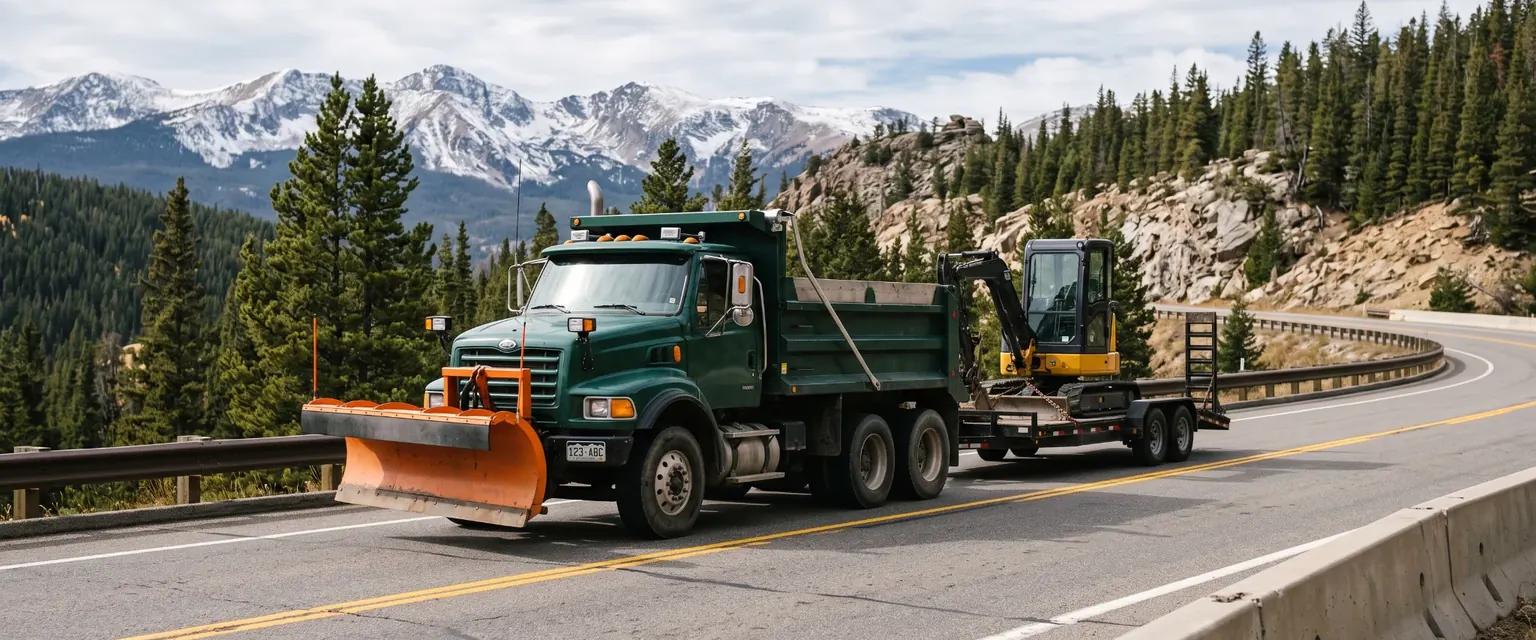
Covers the dump truck, the plow truck, and the crew pickup on the road. Personal auto typically won't. Commercial auto explained -
 Coverage
General liability
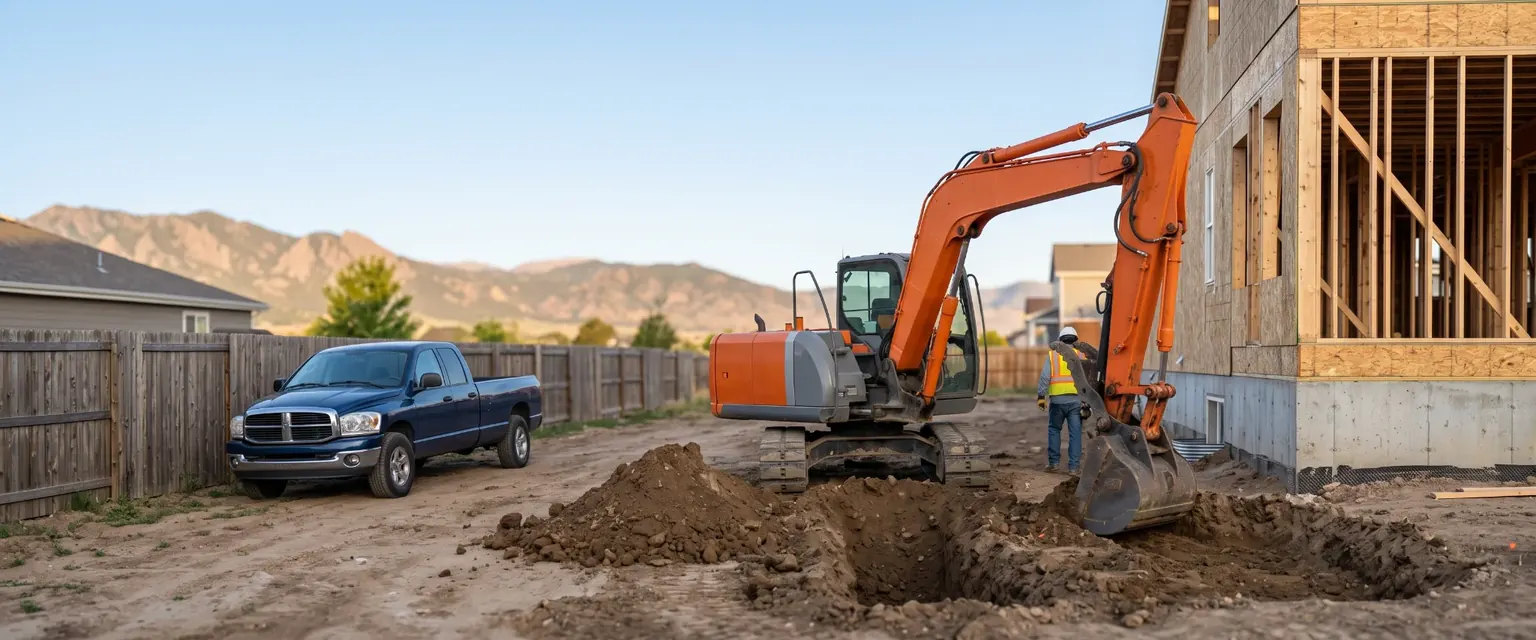
Pays when your work hurts someone else or their property. The one every GC asks about first. General liability explained -
 Coverage
Workers' compensation
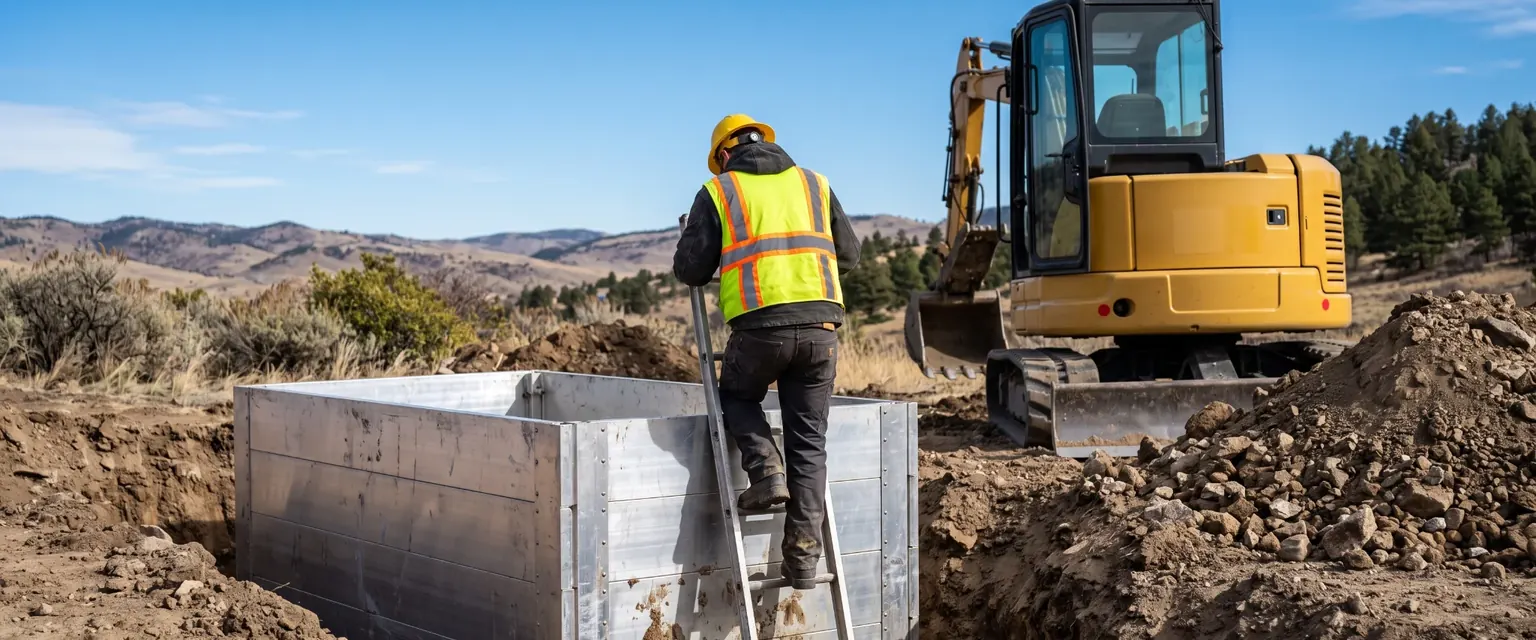
Pays your employee's medical and lost wages when they get hurt. Required at the first hire in Colorado. Workers' compensation explained
I plow twenty driveways with my own pickup. Does my personal auto policy cover that?
What does an HOA certificate of insurance need to show?
Who pays for the mailbox or garage door I hit?
Do two sidewalk shovelers I hire for the winter need workers' comp?
Statutes and numbers on this page last verified September 2, 2026 by a licensed Colorado producer. How we verify.