COLORADO · WESTERN SLOPE
Excavation, Landscaping, and Snow Insurance in Grand Junction and Mesa County
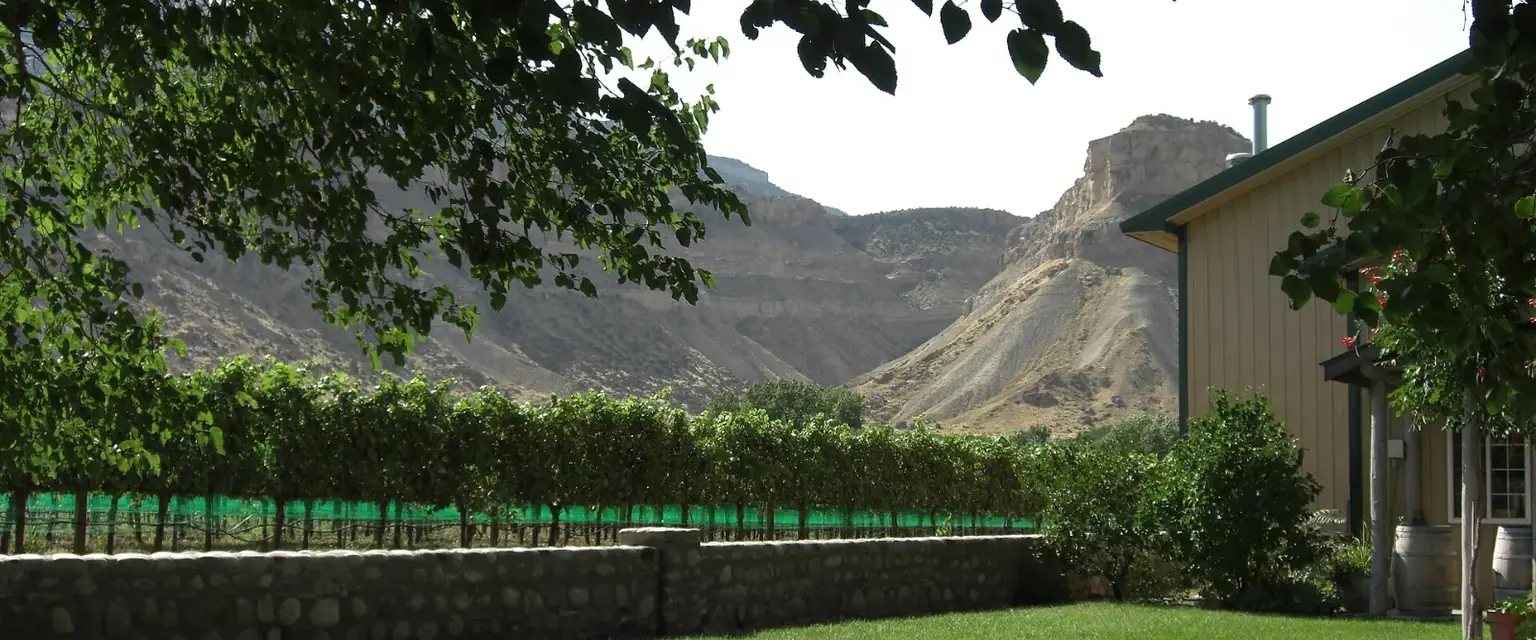
The Grand Valley runs on canals. Every lot in Grand Junction, Fruita, and Palisade sits near a ditch, a lateral, or an easement somebody else controls, and the ground under it is Mancos shale that moves when the irrigation water arrives.
Grand Junction at a glance
- Licensing
- Grand Junction licenses contractors under city code with classes tiered by project value, administered by the Mesa County Building Department for the city only; unincorporated Mesa County has no general contractor license; city right-of-way work needs a permit with performance and warranty security and a traffic control plan; Mesa County Public Health licenses septic contractors; city drainage law protects ditch easements.
- Ground
- Mancos shale adobe that swells with irrigation water, high water tables and cobble along the Colorado and Gunnison, sand on the Redlands, caliche on the benches, and a lateral or ditch easement on nearly every lot.
- Snow
- The valley floor gets light snow and long inversions, so town work is ice and refreeze on per-push contracts, while the Grand Mesa, Powderhorn, and the I-70 canyons carry the real accumulation and the hauling risk.
- Contracts
- Ditch companies control canal and lateral crossings, orchard and vineyard work runs on handshakes and frost-fan schedules, the city's ROW permit and drainage law set municipal terms, and federal land and energy work near De Beque bring their own exhibits.
Grand Junction is where we start a coverage conversation with a question about water. The Grand Valley is irrigated end to end, from the Government Highline Canal along the Bookcliffs down through the laterals that feed Palisade orchards, Orchard Mesa vineyards, and Fruita hayfields. Every one of those ditches has an owner, an easement, and a drainage law behind it. Under the water is Mancos shale, and shale plus irrigation moves retaining walls. This page sits under our excavation, landscaping, and snow removal hubs and the Colorado map.
The licensing reality in Grand Junction and Mesa County
The city licenses. The county does not. The health department licenses septic either way.
Inside the city. Grand Junction Municipal Code Chapter 5.16 requires anyone who undertakes to build, alter, repair, move, or wreck a building or structure in the city to hold a city contractor license issued by the Building Official, with general and special contractor classes tiered by project value; the chapter has no separate excavation, grading, or landscaping class. (Grand Junction Municipal Code 5.16.010; 5.16.070) A grading crew that only moves dirt is not building, altering, or wrecking a structure, so whether the chapter reaches you depends on what else is in the scope. A retaining wall does. A demolition does. The chapter requires workers’ compensation of every licensee and states no liability dollar amounts, as of our last check, so the GL limit is set by your contracts, not by the city.
Outside the city. Mesa County does not license general contractors for work outside the Grand Junction city limits; the Mesa County Building Department administers contractor licensing only on behalf of the City of Grand Junction, and electrical and plumbing licensing is handled by the state boards. (Mesa County Building Department, Contractor Licensing page) That covers Fruita’s outskirts, Loma, Whitewater, and the orchards east of Palisade. No license does not mean no paper: Mesa County Public Works still issues its own surface alteration and utility permits for county right-of-way.
City right-of-way. Grand Junction requires a permit for any work within the city's public right-of-way, and in most cases a performance/warranty guarantee, a traffic control plan from a professional traffic control company, and a location map must accompany the application; the permit page states no dollar amounts. (City of Grand Junction, Permit for Construction Within Public Right-of-Way) The performance and warranty security is the part that trips up a landscaper doing a curb cut for the first time. It is surety paper or a deposit, not an insurance policy, and the traffic control plan has to come from a traffic control outfit, not from your foreman with a set of cones.
Septic. The Mesa County On-Site Wastewater Treatment System Regulations, adopted by the Mesa County Public Health Board, prohibit installing, constructing, repairing, or excavating an OWTS in Mesa County without a license from the Director (Section 1.6.A), with separate licensing for system cleaners (1.6.B). (Mesa County OWTS Regulations § 1.6.A; § 1.6.B.I) [VERIFY] Note the word “excavating.” The regulation reaches the excavator who digs the tank hole, not only the installer who sets the tank. Confirm the current version with the county, because the regulation was mid-revision when we last checked.
Ditches and easements. Grand Junction Municipal Code Chapter 28.76 (Drainage Law) states that the owner of property burdened by an irrigation ditch easement may not move or alter the easement without the ditch owner's consent, that ditch owners may enter the land to clean and repair the ditch, and that anyone who interferes with flow in a drainage ditch is liable for actual damages under C.R.S. 37-89-101. (Grand Junction Municipal Code 28.76.060; 28.76.070; 28.76.140) That is the sentence to read before you grade, fill, or pipe anything that carries irrigation water. A homeowner who wants the lateral moved off the back of the lot cannot give you that job. The ditch company can.
Terrain and soil
The valley is Mancos shale. Locals call the gray hills north of town the adobes, and the same shale sits under most of the valley floor at a depth that depends on how many centuries of river silt landed on top of it. Dry, it cuts like chalk under a mid-size excavator. Wet, it swells, slumps, and turns a cut slope into a slow landslide, and in the Grand Valley it is wet from the day the canals turn on in spring until they shut off in fall. A retaining wall or a pad built in March on dry shale has a different foundation by June. That is the completed-operations claim we see most from Mesa County.
Along the Colorado and the Gunnison it is cobble and a high water table, so a basement in the Redlands or a tank hole near Clifton is a dewatering job. Up on the benches and out toward Loma it goes to caliche and sand that will not hold a trench wall. And everywhere there is a lateral. An irrigation contractor here is as likely to be tying into a ditch company’s turnout as into a city meter, and the turnout comes with a ditch rider who has opinions about your headgate.
The orchards add a schedule. Palisade growers run frost fans on spring nights, and nobody wants a trencher across the row in April when the buds are out. Orchard removal and replanting carries a completed-operations tail that runs a full season, because the trees have to leaf out before anybody knows whether your drainage works.
Snow, and what the contracts trigger
Town snow is light. The valley floor gets a few plowable storms a winter and then sits under an inversion for weeks, which means the work is ice, refreeze, and the gray fog that keeps north-facing lots frozen through February. Contracts run per-push with ice management in scope, and the log matters more than the blade.
The mountain side is different. The Grand Mesa, Powderhorn, and the ranches above Collbran carry real accumulation, and the plow truck with a Western blade that handles Clifton parking lots is not the machine for a Mesa driveway. The bigger snow exposure for a Grand Junction contractor is on the road: I-70 through Glenwood Canyon and De Beque Canyon closes for weather and rockfall, and a lowboy caught east of the closure with a $180,000 excavator on it is an inland marine and auto question at the same time. We have not verified a sidewalk-clearing ordinance for Grand Junction, so we don’t quote one; ask the city before you write a response time into a contract.
Contract norms we see here
Ditch companies and irrigation districts. Any crossing, tie-in, or work inside a canal easement runs through the ditch company, and the larger ones ask for a certificate naming them, a defined work window, and restoration terms. Get it in writing. The drainage law above is what they point at when it goes wrong.
Orchards and ag. Growers run on handshakes and schedules. The paper is thin and the exposure is a season’s crop, which is why the general liability limit matters more than the contract here.
Municipal. The city’s right-of-way permit sets the security and traffic control terms, and city and county project contracts add $1M/$2M general liability, additional insured, primary and non-contributory, and a waiver of subrogation.
Federal land and energy. The valley is ringed by BLM ground, and the gas fields toward De Beque still put work out to graders and haul truck operators. Those contracts carry their own insurance exhibits, an umbrella ask, and a pollution liability requirement that a general liability policy alone does not meet under most standard forms.
Nearby
We work with contractors across Mesa County and the Grand Valley: Fruita and Loma on the west end, Palisade and Clifton up the river, the Redlands and Orchard Mesa across from downtown, Whitewater on the road to Delta, and De Beque and Collbran toward the mesa. East on I-70, the ground climbs into the resort market and avalanche terrain of Vail and Eagle County. South on US 50 and US 550, the shale gives way to the high desert and mountain septic of Durango and La Plata County.
Where to go from here
Send the dec pages to the policy review and we’ll check the pollution exclusion, the transit coverage, and whether a ditch company can be named on your form. Starting fresh? Get Insured lists what to have ready. No online quote. A Grand Valley book gets built around which canal you work next to.
Serving businesses located in Colorado. Coverage is determined by the policy language and the carrier.
Trades
Trades common in Grand Junction.
-
 LANDSCAPING TRADE
Irrigation Contractor
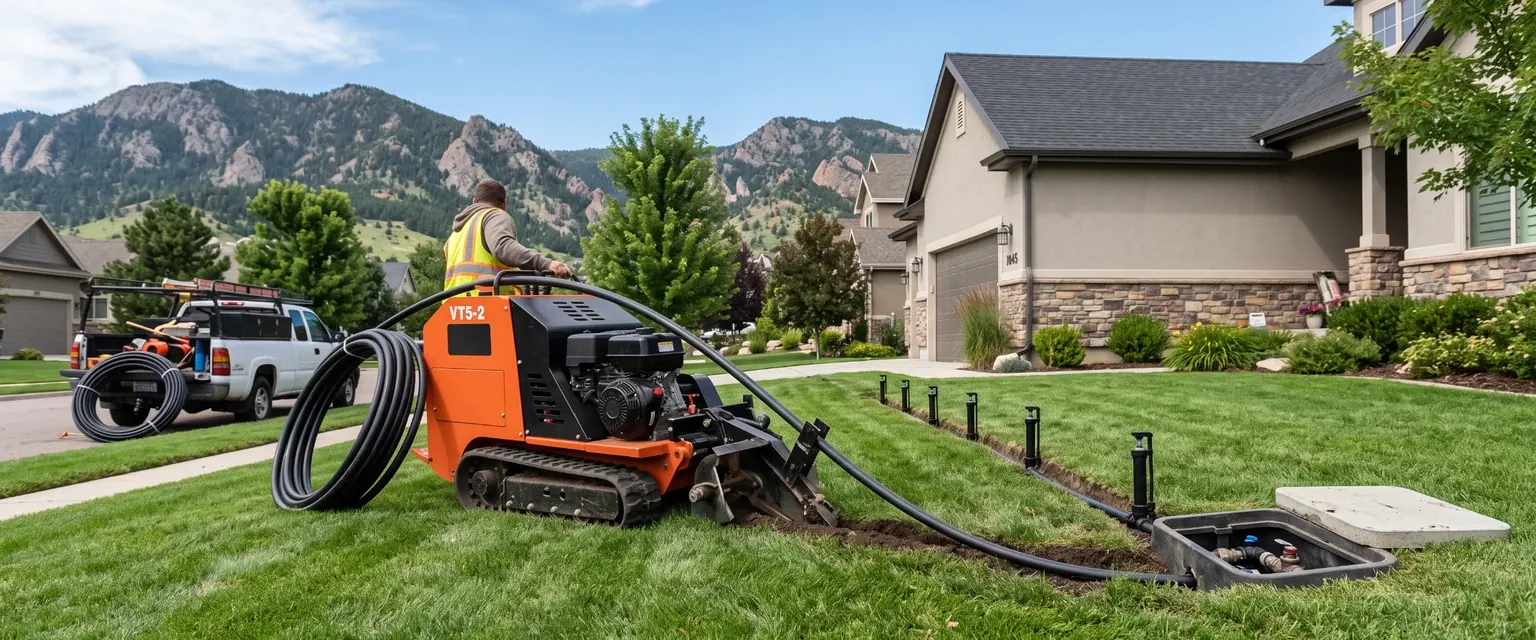
Irrigation is the landscaping trade that puts water under pressure next to somebody's foundation. Most of your claims are water where it shouldn't be, and the argument is always about which part was your work and which part was the house. Here's how a Colorado irrigation policy has to be built. Irrigation Contractor insurance -
 EXCAVATION TRADE
Grading and Site Prep
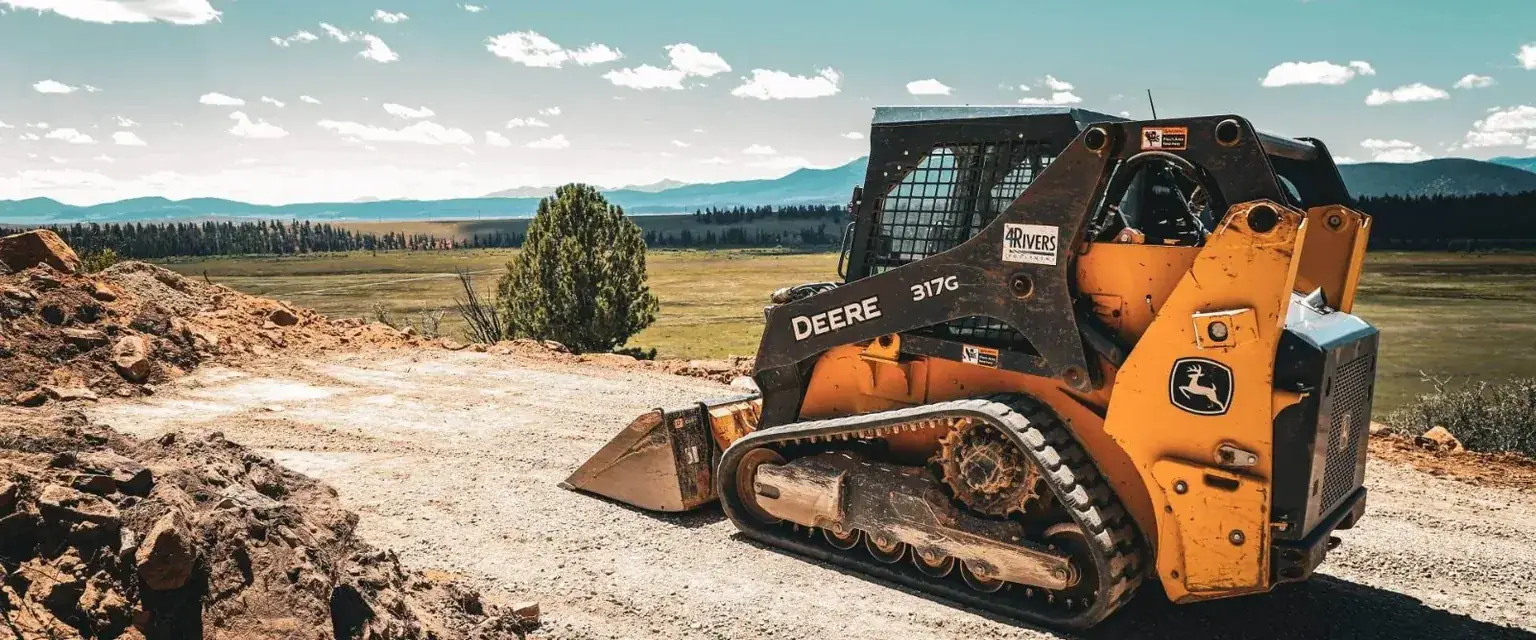
A pad that drains the wrong way, a wall that bulges after a wet spring, silt in the neighbor's yard after a July storm. Grading claims show up late and argue about who was at fault. Here's what the policy has to do. Grading and Site Prep insurance -
 EXCAVATION TRADE
Dump Truck and Aggregate Hauling
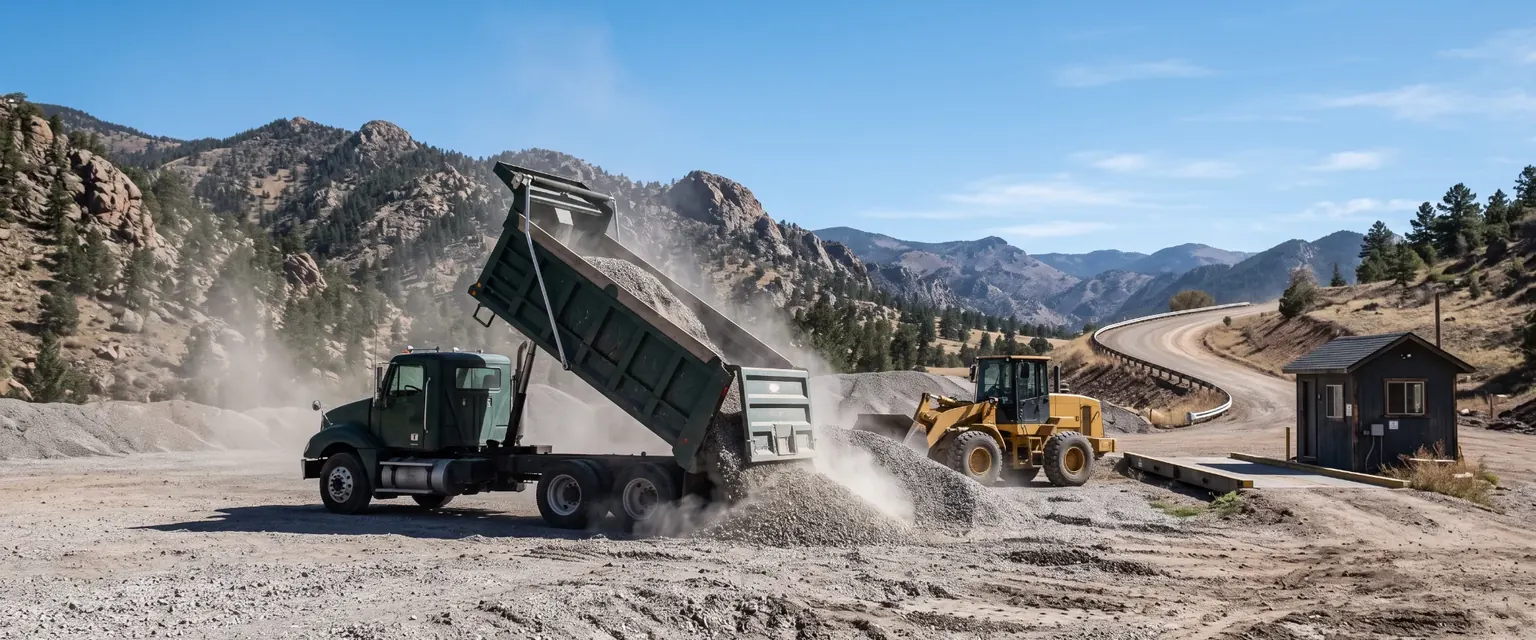
A loaded Mack dump truck is the most expensive thing most dirt outfits put on a public road. Whether it hauls your own material or someone else's for a fee changes the whole policy. Here's where that line sits in Colorado, and what the truck, the load, and the driver each need. Dump Truck and Aggregate Hauling insurance
Do I need a contractor license in Grand Junction or Mesa County?
Can I move or fill an irrigation ditch on a lot I'm grading?
Who licenses septic installers in Mesa County?
Statutes and numbers on this page last verified September 2, 2026 by a licensed Colorado producer. How we verify.