COLORADO · SOUTHWEST
Excavation, Landscaping, and Snow Insurance in Durango and La Plata County
La Plata County runs from high desert on the reservation to alpine ground under Purgatory in one county, and a contractor here works across tribal, federal, city, and private land, each with its own permit desk.
Durango at a glance
- Licensing
- Durango requires a City business license for contractors and issues its own right-of-way excavation permit; La Plata County publishes no general contractor license; La Plata County Public Health licenses septic installers under regulations effective March 2026; land inside the Southern Ute Reservation boundary is Indian Country and crossing Tribal trust land generally takes a Tribal permit.
- Ground
- Animas River cobble and high water tables in the valley, Mancos shale and expansive clay on Florida Mesa and the mesas west of town, sandstone bedrock that turns leach fields into hammer jobs, and burn-scar debris flows north of Hermosa.
- Snow
- San Juan storms come from the southwest and load Purgatory, Coal Bank, and Molas while town gets moderate snow and hard freeze-thaw; resort and HOA contracts run seasonal with accumulation triggers, town lots run per-push, and Bayfield and Ignacio see far less.
- Contracts
- Tribal work needs a crossing permit and often Tribal consent on rights-of-way; Forest Service and BLM contracts carry federal exhibits; Purgatory and the HOAs run resort-style COIs; town and county work asks for $1M/$2M, additional insured, and a waiver.
Durango is four jurisdictions in a morning’s drive. A crew can leave a lot in town with a city permit, set a tank in Bayfield under county health rules, cross the Southern Ute Reservation on a Tribal permit, and clear ladder fuels on Forest Service ground before lunch, and every one of those stops has its own paper. The ground changes as fast as the paperwork, from Animas River cobble to alpine ground up US 550 toward Purgatory. This page sits under our excavation, landscaping, and snow removal hubs and the Colorado map.
The licensing reality in Durango and La Plata County
Less licensing than the Front Range. More jurisdictions.
The city. The City of Durango's building-permit page requires contractors to hold a City of Durango Business License; it does not describe a separate city contractor license for general, excavation, demolition, or landscaping work, and master plumbers must post a $5,000 bond with the City Clerk. (City of Durango, Applying for a Building Permit) So the license question in town is a business license question, as of our last check, and the trade-specific paper is the permit.
City right-of-way. The City of Durango issues a Right-of-Way Construction & Excavation Permit for work in city right-of-way; the permit form and its insurance or bond terms could not be fetched and remain unverified. (City of Durango, Right-of-Way Construction & Excavation Permit (Other Permits page)) [VERIFY] We have not been able to read the permit’s insurance and bond terms, which is why the fact carries a badge. Get the current form from the city before you price a curb cut on Main Avenue, then send it to us for the certificate wording.
The county. La Plata County's Building Division and Engineering pages describe building permits, plan review, and a Utility/ROW permit form, but publish no county contractor license or registration requirement for general, excavation, demolition, or landscaping contractors. (La Plata County Community Development, Building Division; Engineering Permits) [VERIFY] No license is not no paper. The county still permits the building and issues its own utility and right-of-way permit, and the county code is longer than the web pages we read.
Septic. Colorado's OWTS Act (C.R.S. 25-10-109) and Regulation 43 (5 CCR 1002-43 § 43.4.K) let each local board of health license septic "systems contractors," and working without that license where a county has adopted licensing rules is a violation, so installers must hold whatever license the local public health agency requires. (C.R.S. 25-10-109(1); 5 CCR 1002-43 §§ 43.3, 43.4.K, 43.4.Q) Here that local license is new. La Plata County Public Health Department is the OWTS permitting authority in La Plata County; its OWTS Regulations, adopted alongside Colorado Regulation No. 43 and effective March 2, 2026, require every OWTS to be installed by a System Installer currently licensed by Public Health, with licenses expiring December 31 each year. (La Plata County Public Health Department OWTS Regulations (eff. March 2, 2026)) The regulations replaced the old regional health authority, so a septic installer who was licensed under the previous agency should confirm the license carried over rather than assume it did. The December expiration lands in the off-season, when it is easy to forget.
Tribal land. All land within the exterior boundary of the roughly 700,000-acre Southern Ute Indian Reservation in La Plata County is Indian Country regardless of ownership, and non-members generally need a Tribal crossing permit to enter or cross Tribal trust land, with rights-of-way on Tribal lands governed by federal regulations and often requiring Tribal consent. (Southern Ute Indian Tribe, Living in La Plata County) The reservation covers most of the southern part of the county, including private parcels around Ignacio and Bayfield that do not look like tribal land on a plat. Regardless of ownership is the operative phrase. A crossing permit is at the Tribe’s discretion, and a right-of-way on trust land is a federal question with Tribal consent on top.
Terrain and soil
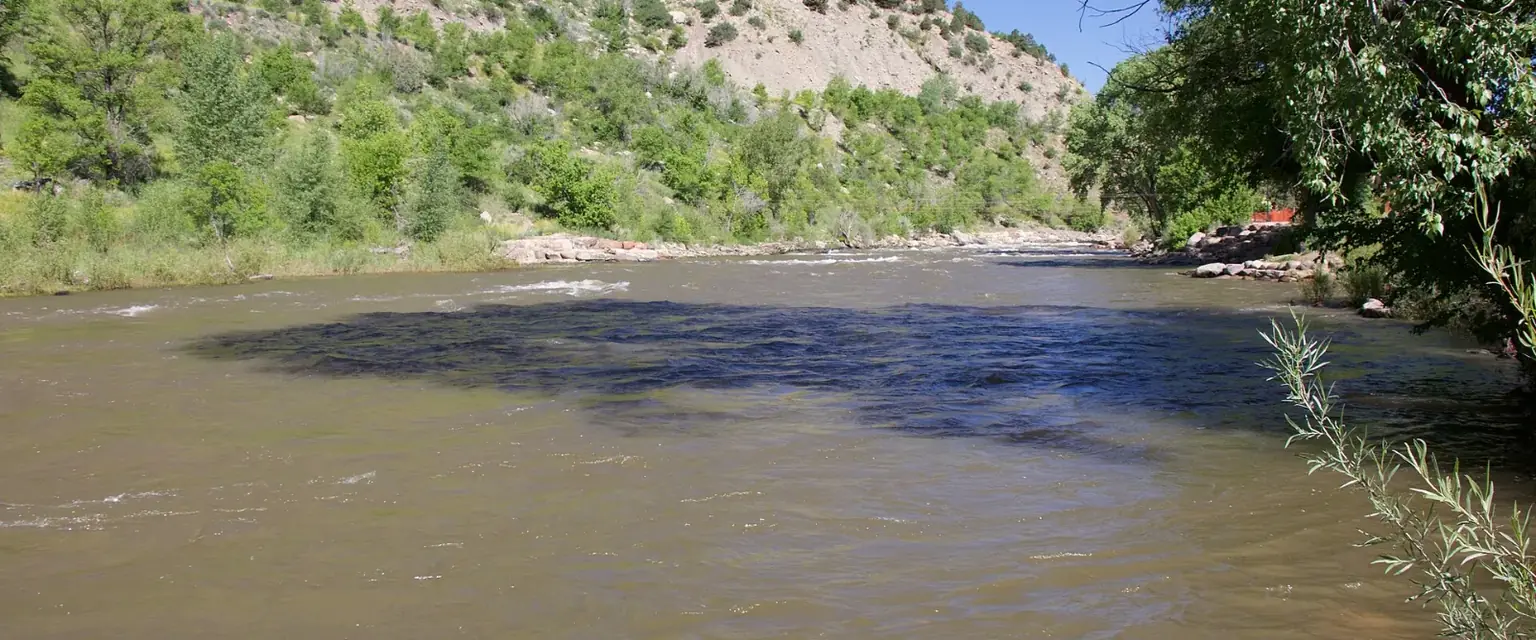
Start at the river. The Animas valley through town and north to Hermosa is cobble in a sand matrix with a high water table, so a basement in town or a mainline trench for an irrigation crew is a dewatering job and a trencher-tooth job at the same time. South and west, on Florida Mesa and the mesas out toward Hesperus, it turns to Mancos shale and the expansive clay that weathers off it. That is the ground that moves under a retaining wall after a wet winter, and it is the completed-operations claim we see most from La Plata County.
Under the clay is sandstone. A leach field on a mesa lot often hits bedrock at the depth the design wanted for the trenches, and then the job is a hydraulic hammer on a mid-size excavator, an engineered system, or both. Ask the soils question before you bid the tank hole.
North of Hermosa the ground climbs fast. Decomposed granite and boulders on the steep lots below Purgatory, alpine drainage, and the burn scar above the valley that still moves debris in a summer storm. A land clearing crew running a tracked forestry mulcher on ponderosa and Gambel oak around Vallecito is working ladder fuels that burn hotter than the lodgepole we mulch in Park County, and the fire exposure on the machine is real. That is an inland marine conversation, and it includes theft off a lot an hour from the nearest deputy.
High desert to alpine in one county. The soil report from a Bayfield job tells you nothing about a Hermosa lot.
Snow, and what the contracts trigger
San Juan snow is not Front Range snow. The storms come in from the southwest off the Pacific, not upslope off the plains, and they load the high country first: Purgatory, Coal Bank, Molas, and the road to Silverton get the accumulation while town gets a moderate storm, sun the next morning, and a hard freeze that night. Freeze-thaw is the Durango pattern. The lot you cleared at noon is a sheet of ice by dinner.
The contracts split by elevation. Purgatory and the HOAs up the valley run resort-style seasonal contracts with accumulation triggers and a standard for the private roads, and a residential and HOA plow operator up there needs the equipment to keep up with a week of storms in a row. Town lots run per-push with ice management in scope and a log. Bayfield and Ignacio see far less, and the work there is drifting on the county roads and the sun-shadow ice on north-facing driveways. We have not verified a sidewalk-clearing ordinance for Durango, so we don’t quote one; ask the city before you write a response time into a contract.
Contract norms we see here
Tribal. Work inside the reservation boundary runs through the Tribe’s permit and, where a right-of-way is involved, federal regulations and Tribal consent. The Tribe’s own contracts carry their own insurance exhibits. Read them before you price, and expect the certificate to name entities that do not appear on a Front Range contract.
Federal. Forest Service and BLM contracts for fuels reduction, road work, and campground maintenance carry federal insurance clauses and a performance standard that the underwriter will ask to see. The paper is heavy.
Resort and HOA. Purgatory and the subdivisions up the Animas valley ask for $1M/$2M general liability, the association and the manager as additional insureds, a waiver of subrogation, and the log.
Town, county, and private. The standard package: $1M/$2M, additional insured, primary and non-contributory, and a certificate before mobilization. The city’s right-of-way permit adds terms we have not yet read.
Nearby
We work with contractors across La Plata County and the Four Corners: Bayfield and Ignacio to the southeast, Hesperus on the road west, Hermosa and Vallecito up the valleys, Pagosa Springs over the hill in Archuleta County, and Mancos and Cortez in Montezuma County. North on US 550 and US 50, the mountain septic gives way to shale and canal work at Grand Junction and Mesa County. East over Wolf Creek and La Veta passes, then north on I-25, the nearest Front Range market is Pueblo.
Where to go from here
Send the dec pages to the policy review and we’ll check the equipment schedule for fire and theft and whether the Tribe or a federal agency can be named the way their contracts ask. Starting fresh? Get Insured lists what to have ready. No online quote. A La Plata County book gets built around which jurisdiction you dig in.
Serving businesses located in Colorado. Coverage is determined by the policy language and the carrier.
Trades
Trades common in Durango.
-
 EXCAVATION TRADE
Septic Installer
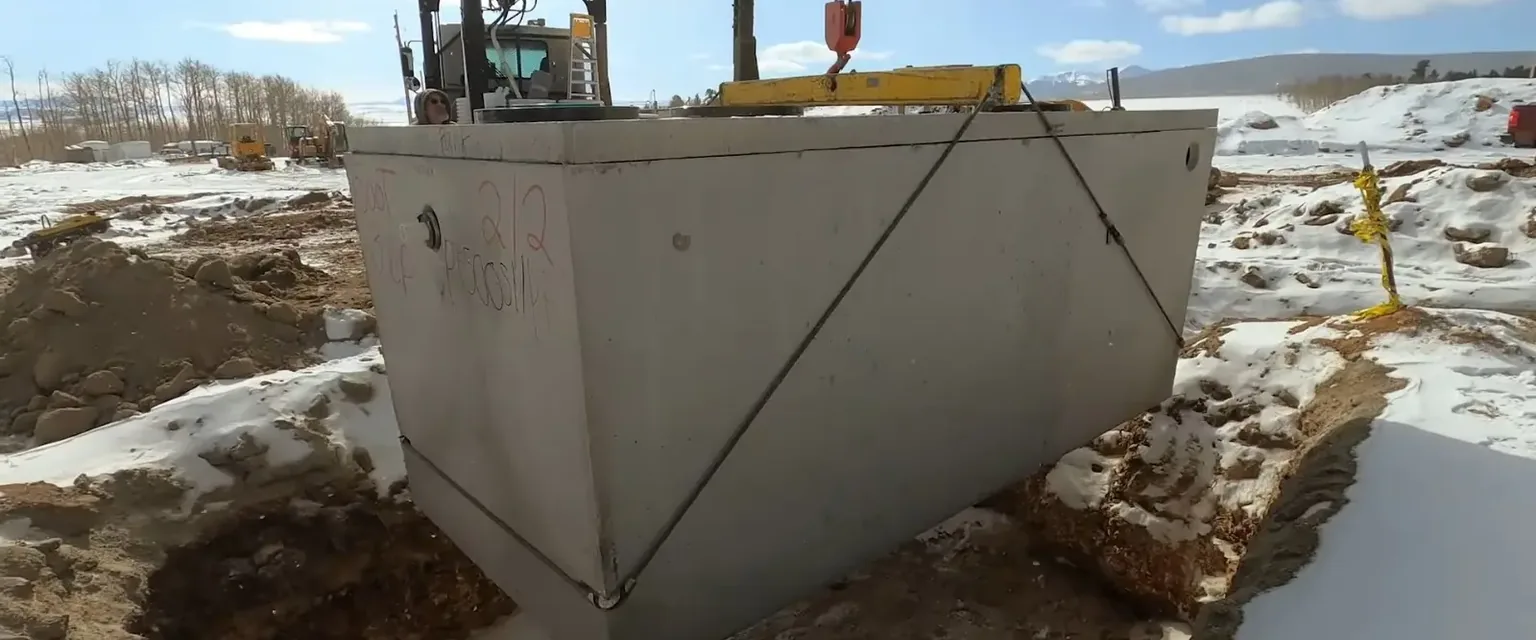
The tank is in, the county signed off, and the customer paid. Your exposure on that system runs for years after that. Here's what a septic installer's policy has to do in Colorado, and where the standard forms fall short. Septic Installer insurance -
 EXCAVATION TRADE
Land Clearing and Forestry Mulching
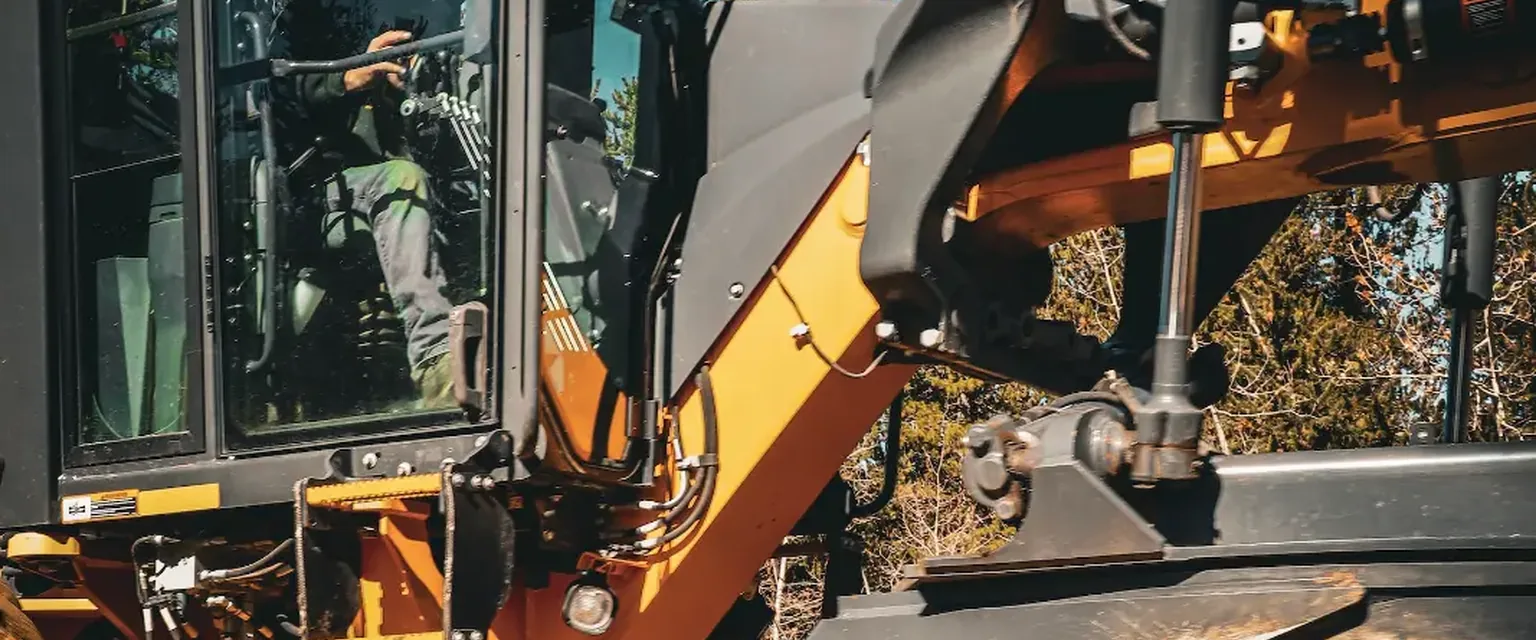
A tracked forestry mulcher is a diesel engine and a spinning drum in a stand of dry lodgepole. Fire is the claim underwriters think about first, and it is not always the claim your policy was written for. Here's what a clearing outfit's coverage has to do in Colorado, from the machine to the land it works on. Land Clearing and Forestry Mulching insurance -
 SNOW TRADE
Residential and HOA Snow Plowing
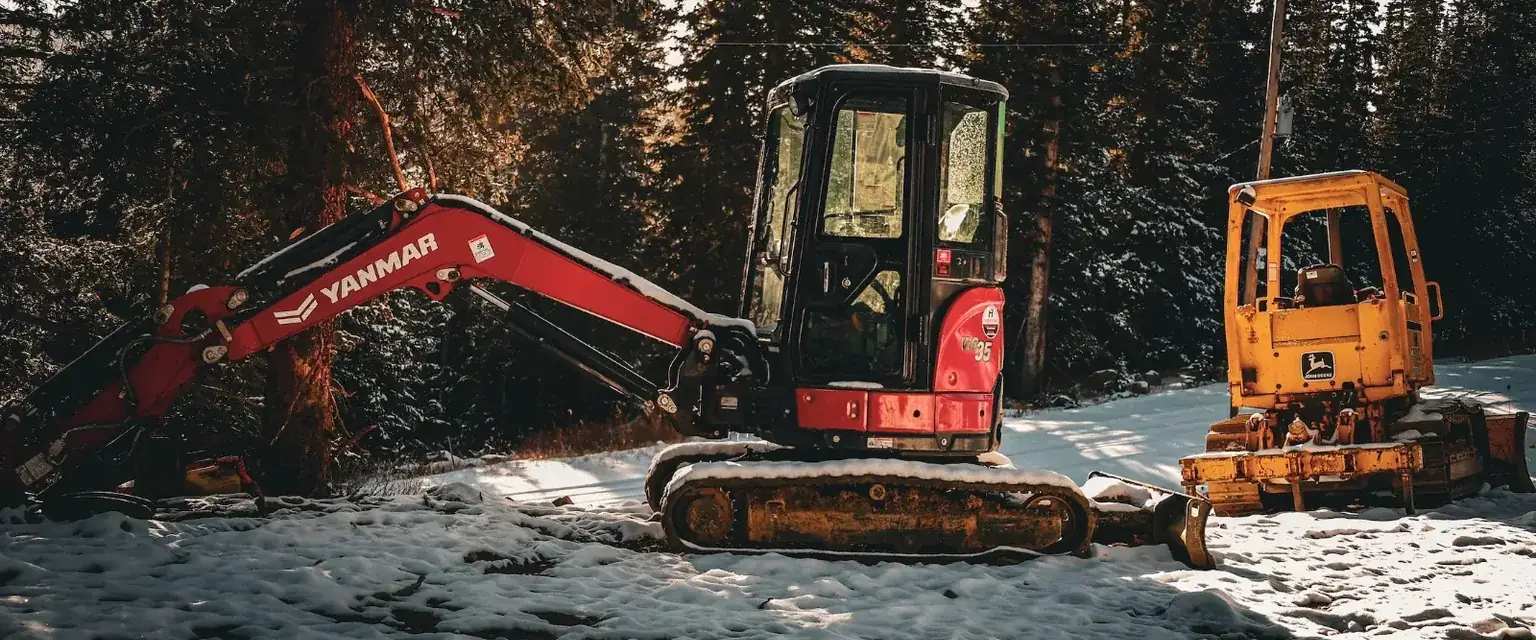
Most residential plowing in Colorado starts with a pickup, a blade, and a personal auto policy that was never told. Here's what an HOA and driveway plowing policy has to do, from an agency that plows driveways above 9,000 feet in the dark. Residential and HOA Snow Plowing insurance
Do I need a contractor license in Durango or La Plata County?
Can I work on the Southern Ute Reservation?
Who licenses septic installers in La Plata County?
Statutes and numbers on this page last verified September 2, 2026 by a licensed Colorado producer. How we verify.